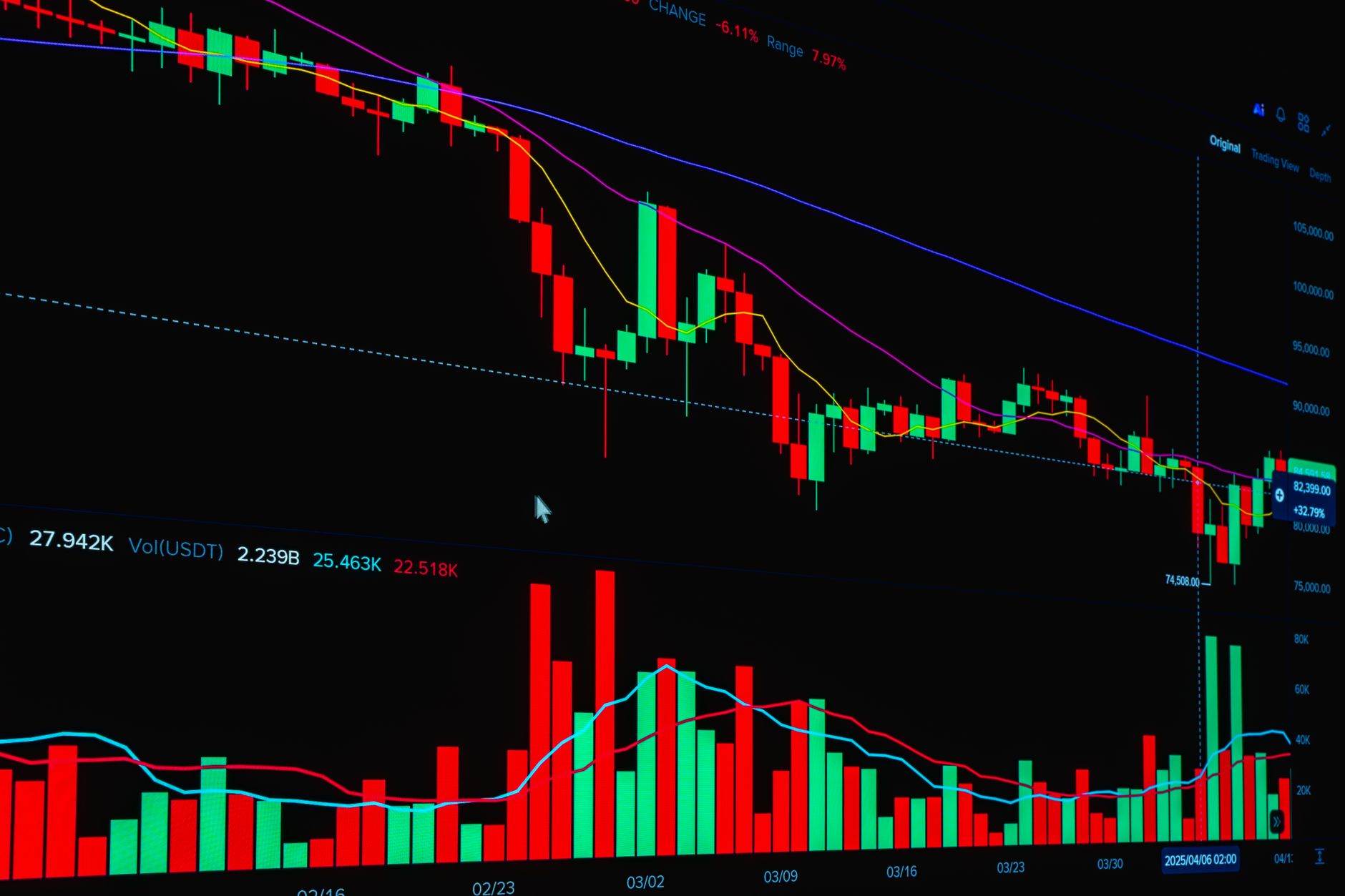
The benchmark Sensex and Nifty 50 indices are on track to record their poorest showing in a decade‑and‑a‑half, with year‑to‑date declines of 8.4% and 7.3% respectively in Samvat 2082. The slide follows a pronounced sell‑off by foreign portfolio investors, a trend analysts link to surging crude‑oil prices, rising U.S. Treasury yields and the ongoing geopolitical tension in West Asia.
Market Performance in Samvat 2082
While large‑cap indices have faltered, the broader market has displayed pockets of resilience. The Nifty Small‑Cap 100 managed a gain of 4.5% and the Nifty Mid‑Cap 100 edged up 0.3% over the same period, indicating that smaller‑cap stocks have outperformed their larger‑cap counterparts this year. By contrast, the last time the market experienced a comparable downturn was Samvat 2067, when the Sensex and Nifty fell 17% and the mid‑ and small‑cap segments plunged 28% and 25% respectively.
Investor Flows and Sector Trends
Foreign portfolio investors (FPIs) withdrew a total of Rs 3.03 trillion (approximately $32.36 billion) from Indian equities during Samvat 2082. Domestic institutional investors (DIIs) moved in the opposite direction, posting a net inflow of Rs 7.74 trillion, which helped cushion the market’s overall decline.
Across the Nifty 500 universe, 287 stocks—representing 57% of the index—registered negative returns. Of those, 140 stocks fell more than 20% from their opening levels. Conversely, 17 stocks more than doubled in value, 28 rose between 50% and 93%, and another 50 recorded gains ranging from 25% to 49%.
Sector‑wise, fast‑moving consumer goods (FMCG) emerged as the hardest hit, with the Nifty FMCG index sliding 18.3%. Information technology fell 9.2%, realty declined 7.8%, banking slipped 3.7%, and autos were down 2.5%. In contrast, capital goods, public‑sector banks and metal indices posted gains for the sixth consecutive year, each rising between 6% and 22%.
Analysts’ Outlook and Potential Catalysts
“If oil cools down, it would greatly benefit the markets, especially the large‑caps where most of the foreign selling has happened. Until the West Asia crisis nears a solution, the Indian markets will remain under pressure,” said U R Bhat, co‑founder and director of Alphaniti Fintech.
G Chokkalingam, founder and head of research at Equinomics Research, echoed the sentiment, adding that investors need to monitor oil prices and the rupee closely. He warned of liquidity constraints amid a booming primary market and suggested that a correction in small‑ and mid‑cap stocks could slow the pipeline of new IPOs.
Anirudh Garg, partner and fund manager at INVasset PMS, identified four catalysts that could revive Indian equities in the next Samvat: a de‑escalation of U.S.–Iran tensions that would tame crude prices, a reversal of the crowded global AI trade prompting foreign institutional investors to rotate back into India, the prospect of an India‑U.S. trade agreement, and possible relief on long‑term capital‑gains tax for foreign investors. Garg also noted that the Nifty and large‑cap stocks may have already formed a meaningful bottom, recommending a preference for large‑caps—particularly financials and other reasonably valued domestic businesses—while cautioning that global liquidity will dictate the speed of any recovery.
Overall, market participants face a delicate balance. The combination of elevated oil prices, persistent U.S. yield pressures and geopolitical uncertainty continues to weigh on sentiment. However, the contrasting performance of small‑cap indices, selective sector strength and substantial domestic institutional inflows suggest that the market retains pockets of support. Analysts agree that any easing of external pressures—particularly on crude and bond yields—will be pivotal for turning the tide and restoring confidence in Indian equities.






Be First to Comment