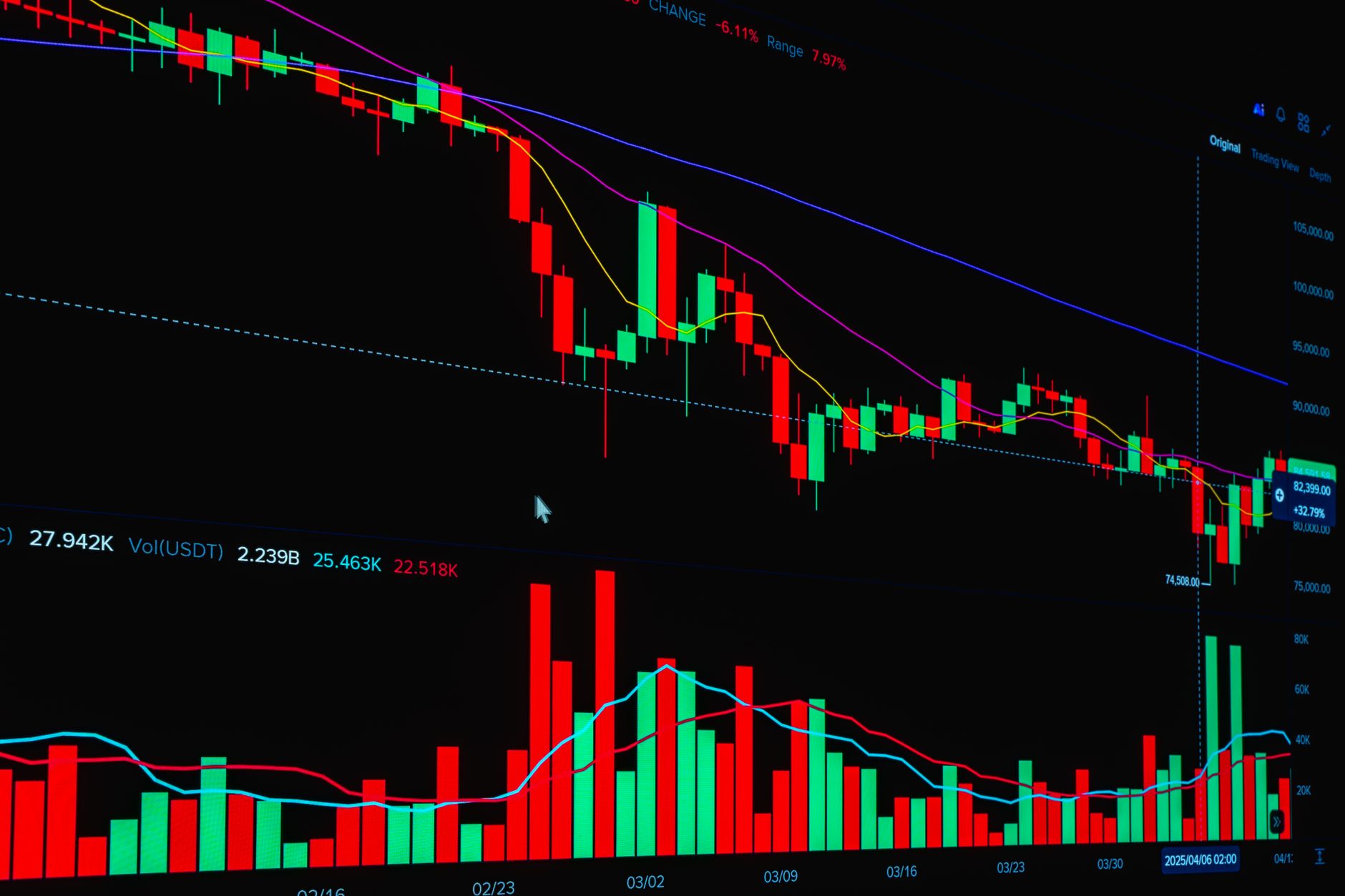
India’s equity markets continued a robust upward trajectory on Friday, November 6, 2026, as the Nifty 50 closed at 25,030.35, up 493.75 points or 2.01 per cent. The move marked the first time the index had breached the 25,000 level since February 27, 2026. Parallel gains were recorded on the BSE Sensex, which rose 1,718.01 points, a 2.17 per cent increase, to finish at 81,028.02.
Key contributors and sector performance
Among the constituents of the Nifty 50, Mahindra & Mahindra, ICICI Bank, and HDFC Life Insurance Company emerged as the top gainers, pulling the broader index higher. The banking and financial services segment, represented by the Nifty Private Bank index, outperformed all other sectors, registering the strongest gains of the day. By contrast, the Nifty Media index recorded the steepest decline, highlighting a divergence between financials and media stocks.
While large‑cap indices posted solid advances, the mid‑cap and small‑cap segments showed modest weakness. The Nifty MidCap 100 slipped 0.02 per cent, and the Nifty SmallCap 100 fell 0.82 per cent, indicating that the rally was largely concentrated in the heavyweight and banking stocks.
Technical outlook and analyst commentary
Senior technical research analyst Nagaraj Shetti of HDFC Securities noted that the Nifty formed a long bullish candle on the daily chart, signalling a decisive breakout of resistance levels around the 24,700‑24,800 zone. Shetti placed immediate support at 24,750 and suggested that the index could target 25,500 in the near term if the upward momentum persists.
Shetti also highlighted the weekly performance, stating that the Nifty ended the week with an 8.58 per cent gain, equivalent to roughly 1,977 points on a week‑over‑week basis. He described this as a “phenomenal performance” on the weekly chart, noting that such a gain ranks among the strongest weekly moves in the past five years. The analyst added that a short session of Muhurat Trading remains scheduled for Sunday, November 8.
Vinod Nair, Head of Research at Geojit Investments, offered a macro‑level perspective, observing that Indian equities resisted a global market rout. He pointed to a sharp sell‑off in U.S. technology stocks, driven by concerns over tighter regulation under a Democratic administration, and a decline in crude oil prices, easing U.S. Treasury yields, and a firmer rupee as factors enhancing India’s relative appeal. Nair said the market entered the new Samvat year with “foreign flows, crude and the currency finally pulling in the same direction.”
Market context and outlook
The rally unfolded against a backdrop of mixed global cues. While Wall Street experienced a pronounced tech decline, the Indian market benefited from its perception as a relative safe haven. Large private banks attracted capital due to deep liquidity and attractive valuations, becoming the primary beneficiaries of the rotational flow of money.
In addition to sectoral strength, the market’s resilience was supported by a sharp weekly slide in crude oil prices and a firmer Indian rupee, both of which improved the external environment for foreign investors. With Federal Reserve officials still hinting at possible further rate hikes, market participants were expected to monitor the upcoming U.S. jobs report closely.
Overall, the Nifty’s breach of the 25,000 threshold and the Sensex’s 1,718‑point surge underscore a sustained bullish sentiment in Indian equities. Analysts anticipate that, provided support holds at 24,750, the index could test the 25,500 level in the coming sessions, while the broader market may continue to benefit from inflows, a stable currency, and favorable commodity price dynamics.






Be First to Comment