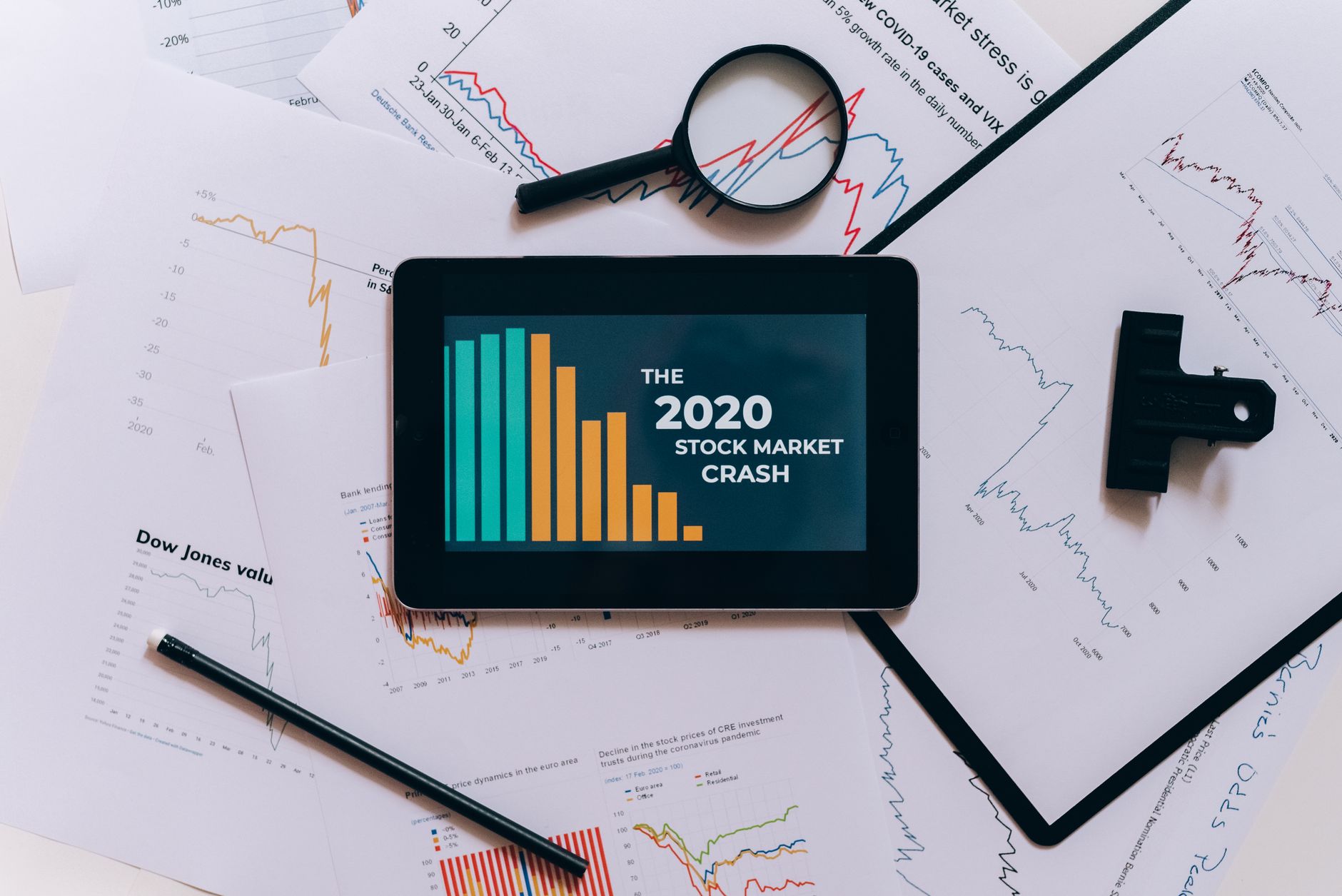
Shares of Indian power‑sector companies tumbled on Friday as a broader AI‑related selloff spread from the United States to Asian markets. Both TD Power and Thermax recorded the steepest declines, sliding 15% each during the session. Other stocks linked to capital expenditure in the power sector, including HFCL and Sterlite Technologies, were caught in a 5% lower circuit, while Hitachi Energy and CG Power fell 5% and 7% respectively. Aeroflex Industries and KRN Heat Exchanger each dropped 5% in early trade.
US election outcome fuels fears of tighter AI regulation
The market shake‑up was triggered by concerns that the Democratic Party’s gains in the United States mid‑term elections could translate into stricter rules on data‑centre expansion. Analysts warned that such regulatory pressure might slow the pace of artificial‑intelligence infrastructure development in the United States, a key driver of recent technology‑sector optimism.
According to the source, worries over a possible slowdown in AI‑related investments erased roughly $2.5 trillion in US stock‑market value on Thursday. The technology‑heavy Nasdaq Composite fell 5.52% to close at 24,315, marking its steepest single‑day decline since April 2025, when President Donald Trump announced sweeping global tariffs. The plunge pushed the index more than 10% below the record high set the previous month, placing it in correction territory.
Asian markets echo the downturn
Across Asia, equity markets that are heavy on technology also felt the impact. Japan’s Kioxia saw its shares plunge 14%, while Taiwan’s semiconductor leader TSMC fell as much as 8.5% in Taipei. SoftBank Group, a major investor in AI ventures, tumbled 11%, and the cost of insuring against a debt default by the Japanese conglomerate surged to its highest level in four years.
“The sell‑off shows that AI stock prices had been built on rosy illusions about the future, and now that illusion is gone,” said Dong Baozhen, chairman of asset manager Lingtong Shengtai. Michael O’Rourke of JonesTrading added that the data‑centre slowdown linked to the political shift is “real” and that the earnings estimates underpinning previous valuations are no longer valid. He warned that investors are “de‑risking until clarity returns, which won’t be for some time.”
Prominent investor Michael Burry, known for shorting the US housing market, disclosed that he sold 25% of his put positions in the $58 billion VanEck Semiconductor ETF amid the deepening US technology rout. He noted that the remaining SMH put positions have become “very large.”
Further compounding the sell‑off, the market is showing little sign of recovery after steep losses. Intel Corp., for example, continued to fall even after an almost 30% plunge the previous Friday, according to Jakub Rochlitz at eToro. The heightened cross‑sector correlation and rising volatility suggest that the downward pressure is spreading beyond the technology niche.
Analysts see over‑reaction, but caution remains
Chris Zaccarelli of Northlight Asset Management described the “all‑or‑nothing” mentality as surprising, emphasizing that the reality is more nuanced. While he agrees that sentiment has shifted and data‑centre construction may become more challenging, he believes that projects with a solid business case will still proceed.
Jun Kwang‑woo, chairman of the Seoul‑based Institute for Global Economics, told Reuters that some market correction was warranted but that investors were over‑reacting to the election outcome. He suggested that the market could stabilise soon, although concerns in several US states, including Texas, might affect the pace of AI infrastructure development, particularly data‑centre investments.
The sell‑off has also been reflected in broader market indices. A Reuters report noted that the Asian tech‑heavy markets deepened their declines on Friday, following the steepest drop in US stocks since the tariff‑induced “Liberation Day” sell‑off in April 2025. The ripple effect underscores how interconnected global equity markets have become, especially around AI‑related growth narratives.
Overall, the episode illustrates the fragility of valuations that were heavily predicated on optimistic forecasts for AI infrastructure spending. With investors now re‑evaluating those assumptions, the coming weeks may see further volatility as market participants seek clearer signals from both policy makers and corporate earnings.






Be First to Comment