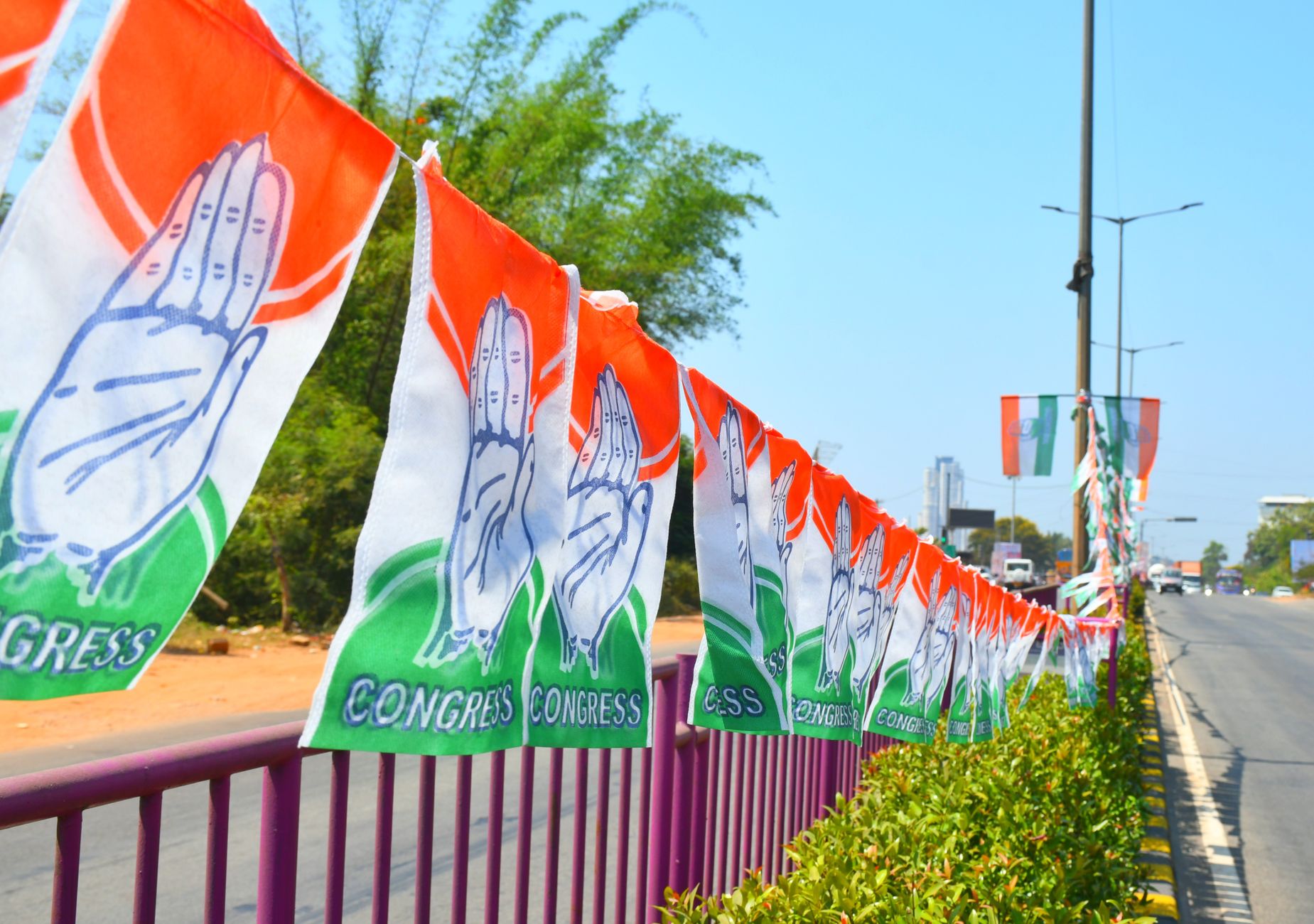
Former Congress president Sonia Gandhi’s long‑awaited memoir, Belonging: A Journey of Love, arrived on book‑stores on Tuesday. While the launch generated a flurry of commentary on television and social media, the text itself contains few startling disclosures about her decades‑long political career. Instead, the narrative dwells largely on her life before she entered the public arena, with the period after the 2004 Lok Sabha victory receiving only passing mention.
Early Years and Personal Connections
The memoir devotes considerable space to Gandhi’s arrival in India in 1968 and the hospitality she received from the Bachchan family. She recounts staying at the home of poet Harivansh Rai Bachchan and his wife Teji, who were close friends of her mother‑in‑law, former Prime Minister Indira Gandhi. Teji Bachchan, according to Gandhi, tended to her during an illness and gifted her a puppy after the loss of her firstborn son. Harivansh Rai Bachchan, the father of actor Amitabh Bachchan, is said to have given her occasional Hindi lessons and offered counsel, famously warning, “You must know, Sonia beti, child, that in this country it is not what you are that counts, it is what people think you to be.”
Gandhi’s references to Amitabh Bachchan appear only three times, and his wife Jaya is not mentioned. The memoir suggests that the Bachchans fell out with the Gandhis after Rajiv Gandhi’s assassination, but otherwise provides no detailed political analysis of that relationship.
Selective Political Portraits
When it comes to her political opponents, Gandhi’s book is notably terse. Veteran BJP leader L K Advani and Home Minister Amit Shah receive no mention. In contrast, she offers a more nuanced recollection of former Prime Minister Atal Bihari Vajpayee. Gandhi writes that she immediately called Vajpayee after the 2001 terror attack on Parliament, expressing relief when he assured her of his safety. She later reflects on a heated 2002 parliamentary session, admitting that her criticism of Vajpayee may have been excessive and that she regretted “going a bit too far.”
Her description of current Prime Minister Narendra Modi is markedly colder. Gandhi notes that she has had “practically no real contact” with him, describing their occasional greetings at semi‑official gatherings as formal namastes, with Modi often averting eye contact. She also remarks that Modi sometimes uses “coarse language” in Parliament, deriding the opposition in what she terms “a tirade.”
Revisiting the Emergency and Babri Masjid
Gandhi does address the Emergency period (1975‑1977), acknowledging the excesses committed when Indira Gandhi suspended fundamental rights. She recounts a story about the brutal killing of Bangladesh’s prime minister Mujibur Rahman and his family on India’s Independence Day, noting that Indira Gandhi feared a similar fate for herself and her family.
The memoir also alleges that Indira Gandhi suspected trade‑union leader George Fernandes of plotting an assassination, a suspicion that later proved unfounded as Fernandes served as defence minister in the Vajpayee government. Gandhi places part of the blame for Emergency excesses on her brother‑in‑law Sanjay Gandhi and his wife Maneka, citing Sanjay’s “significant role in decision‑making” despite lacking constitutional authority, and Maneka’s alleged encouragement of his actions. A quotation from then‑Cabinet Secretary P N Dhar is included, in which Indira Gandhi reportedly described Maneka as “growing wings.”
Regarding the Babri Masjid demolition, Gandhi frames her late husband Rajiv Gandhi’s handling of the Ram Janmabhoomi movement as an attempt to negotiate a legal, mutually acceptable solution. She emphasizes that Rajiv sought to allow a temple to be built without disturbing the mosque, portraying his effort as an effort to revive Mahatma Gandhi’s vision of “Ram Rajya” rooted in virtue and justice. The memoir does not assign direct responsibility to Rajiv for the eventual demolition, which occurred a little over a year after his 1991 assassination.
Leadership Transitions Within Congress
The book touches briefly on internal Congress dynamics. Gandhi recounts replacing veteran leader Sitaram Kesri as party president in March 1998. She describes a personal visit to Kesri’s home, touching his feet as a sign of respect, and receiving his blessing with tears. The episode is presented without commentary on the broader controversy surrounding the leadership change.
Gandhi also references the 2004 Lok Sabha victory, noting that she declined the prime‑ministerial post despite a brief moment when she had agreed to take it up. The memoir does not elaborate on the reasons for her decision.
Overall, the memoir offers a personal lens on Gandhi’s early years, familial ties, and selective political memories, while omitting extensive discussion of many key figures and events that have shaped modern Indian politics. The gaps and selective omissions have become a point of discussion among political analysts, who argue that the book’s silence on certain topics speaks as loudly as its explicit content.






Be First to Comment