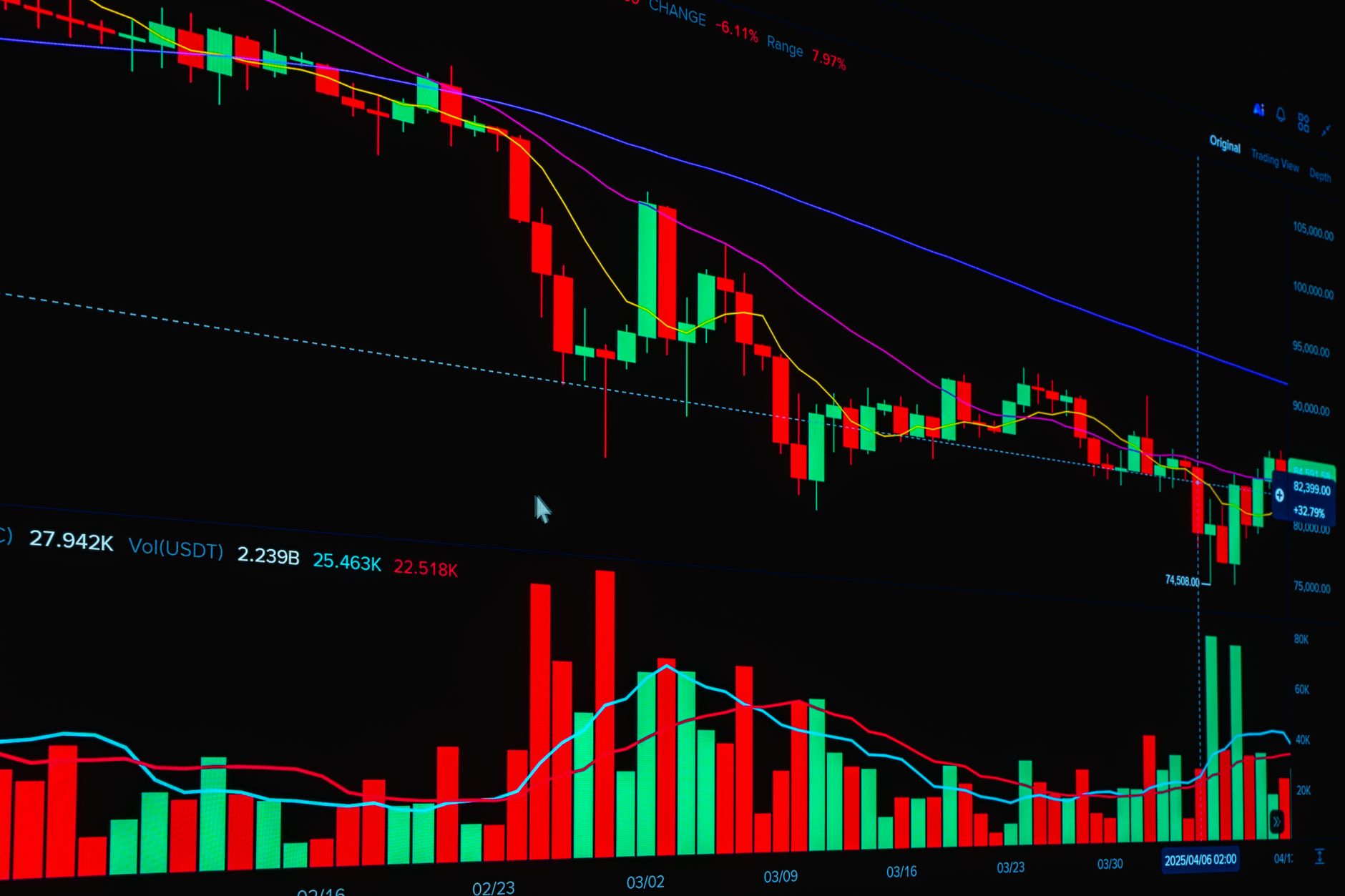
India’s benchmark equity indices reversed a three‑day winning streak on Friday, with the BSE Sensex losing 318.56 points, or 0.39%, to close at 81,592.45. The NSE Nifty 50 also slipped, shedding 155.05 points, equivalent to a 0.61% decline, and settled at 25,144.30.
Broad market pressure and sectoral weakness
Market breadth turned negative as banks, financial services, realty and metal stocks came under pressure. Within the Nifty 50, Shriram Finance, Tata Motors Passenger Vehicles (TMPV) and Grasim Industries emerged as the biggest laggards. The broader mid‑cap and small‑cap segments also ended in the red, with the Nifty MidCap 100 down 0.24% and the Nifty SmallCap 100 slipping 0.26%.
Sector‑wise, the Nifty Realty index recorded the steepest decline, followed closely by Nifty Auto and Nifty Cement. By contrast, Nifty Media managed to limit its losses, posting the smallest drop among the major sectors.
Technical outlook and key price levels
Technical analysis highlighted a critical resistance level at 25,424 points. Analysts noted that a sustained move above this threshold could revive buying momentum and support a continuation of the recent uptrend. On the downside, the 24,900–24,850 zone was identified as a vital support area. A decisive breach below 24,850, according to Sudeep Shah, head of technical and derivatives research at SBI Securities, could intensify selling pressure and open the path to a further decline toward the 24,600 level.
Macro factors influencing sentiment
Commentary from Vinod Nair, head of research at Geojit Investments, underscored the growing apprehension surrounding a possible rate‑hike cycle. He pointed out that domestic inflation moving above the Reserve Bank of India’s upper tolerance band has heightened expectations of a prolonged restrictive monetary stance.
In addition to inflation concerns, a rebound in crude‑oil prices and rising yields on both Indian and U.S. government bonds have contributed to a more cautious stance toward riskier assets. These developments, Nair argued, could cap short‑term upside for equities despite the presence of strong corporate earnings and continued foreign institutional investor (FIL) inflows, which he said may provide a supportive backdrop for the market over the longer term.
Volatility also eased, with the India VIX index falling 7% on the day, suggesting that while price swings have narrowed, underlying uncertainties remain.
Market activity and trading dynamics
Throughout the trading session, the Sensex fluctuated, at one point dropping 409.66 points (0.5%) to 81,501.35 by 3 p.m., while the Nifty 50 fell 184.40 points (0.73%) to 25,114.95. In the closing auction, the Sensex settled 318.35 points lower at 81,592.66 and the Nifty 50 closed 160.10 points down at 25,139.25, reinforcing the broader downtrend observed during regular market hours.
Among the most actively traded options, put contracts dominated the hour, reflecting heightened hedging activity as investors positioned for further downside risk.
Overall, the market’s retreat was driven by a combination of sector‑specific weakness, technical resistance, and macro‑economic concerns, particularly around inflation and the prospect of continued monetary tightening. While the fall in the VIX points to reduced immediate volatility, analysts caution that the identified support zones will be closely watched for any breaches that could trigger deeper corrections.
Looking ahead, market participants will likely monitor the 24,850 level for signs of resilience, while keeping an eye on the 25,424 resistance as a potential catalyst for a renewed rally if breached. The interplay between corporate earnings strength, foreign inflows and macro‑policy developments will shape the trajectory of India’s equity markets in the coming weeks.






Be First to Comment