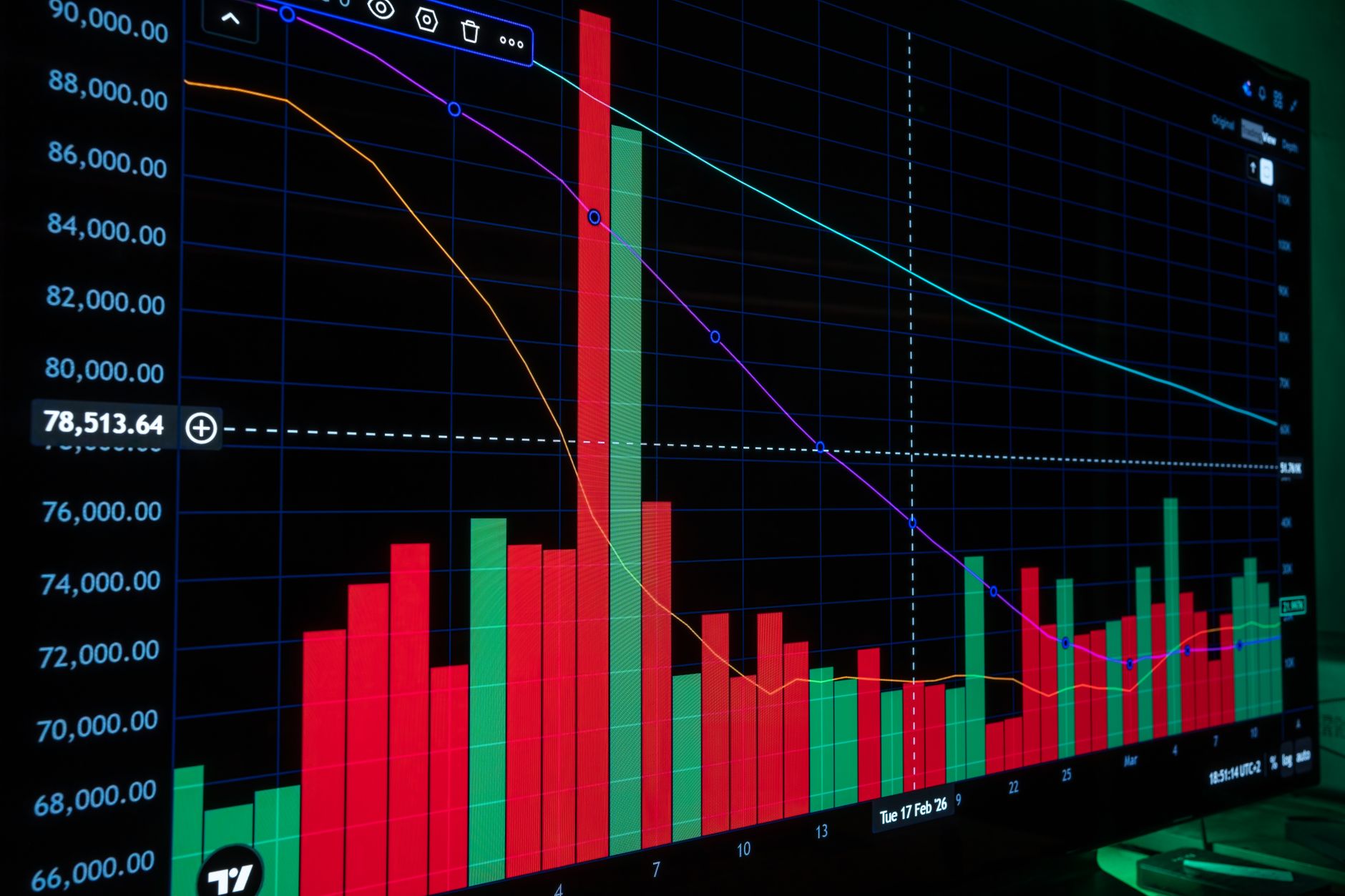
U.S. equity markets experienced a pronounced decline on Friday as investor anxiety over artificial‑intelligence initiatives and broader technology valuations sparked a widespread sell‑off. The Nasdaq‑100 slipped 5.6%, marking its steepest weekly loss since March 2020, while the S&P 500 fell 3.7%, extending a seven‑day streak of declines.
AI‑related pressures intensify
The downturn followed a week of heightened scrutiny of AI‑focused firms and growing doubts that the recent surge in technology spending may be losing momentum. Investors shifted toward traditionally safer assets such as government bonds and established safe‑haven currencies.
“The problem stems from investors’ rapidly changed perceptions about technology, particularly the pace and cost of the AI buildout,” said Steve Sosnick of Interactive Brokers.
Leading chipmaker Nvidia saw its shares tumble 14% after Reuters reported that U.S. regulators have opened an investigation into the company’s accounting practices. Newly listed AI firm Anthropic erased a portion of the gains it posted on its debut, and a broader chip‑makers index dropped 11%.
The VIX, commonly referred to as the fear gauge, rose to its highest level since April 2025, reflecting renewed market nervousness that spread to commodities, Bitcoin and emerging‑market assets.
Broader market implications
Traders also stopped fully pricing in a quarter‑point Federal Reserve rate hike slated for December, a shift analysts said could have mixed implications for equities.
“If the market prices out the Fed, I would not view it as a welcome development for two reasons. First, it means stocks will have declined even more. Second, if the Fed backs off, it risks stoking the inflation issue,” said Dutta of Renaissance Macro Research.
Richard Saperstein of Treasury Partners described the situation as an AI repricing, driven by slowing data‑center construction, tighter funding for AI projects and a decelerating earnings trajectory for technology firms. He added that he remains bullish on hyperscalers that already own data‑center capacity, and on cybersecurity firms benefiting from a wave of cyber‑outages.
Analyst outlook
Chris Larkin of Morgan Stanley’s E*Trade unit noted that only five of the fifteen corrections from all‑time highs since 1983 have evolved into full bear markets, suggesting that a prolonged downturn is not inevitable.
“A capitulatory washout could ultimately prove constructive. If this evolves into a true flush, it may serve as the reset needed to improve positioning, sentiment, and the odds of a more sustainable rally into year‑end,” said Mark Hackett of Nationwide.
Bret Kenwell of eToro warned that while underlying fundamentals remain solid, investors still face headwinds from inflation, interest‑rate pressures and heightened volatility in the technology sector. He advised dip‑buyers to treat the pullback as a long‑term opportunity but to be prepared for continued short‑term turbulence.
The volatility in U.S. equities sent shockwaves through global markets, affecting metal prices, the cryptocurrency market and emerging‑market currencies. The broad‑based risk‑off sentiment underscored how interlinked modern markets have become.
As the Nasdaq and S&P 500 navigate this correction, market participants will watch for further clues on the trajectory of AI spending, regulatory developments around chipmakers and the Federal Reserve’s policy path. The coming weeks will determine whether the current sell‑off stabilises into a healthier pricing environment or deepens into a more extended correction.






Be First to Comment