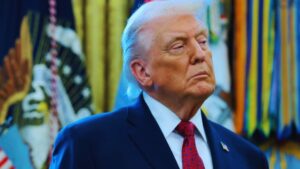
In a major legal setback for former U.S. President Donald Trump, a federal judge has ruled that the administration must release billions of dollars in foreign aid already approved by Congress.
The ruling, delivered by U.S. District Judge Amir Ali in Washington, ordered the release of $11.5 billion in aid set to expire at the end of September, despite Trump’s refusal to spend $4.9 billion of it.
Last week, Trump informed House Speaker Mike Johnson in a letter dated August 28 that he would not be releasing the $4.9 billion in congressionally approved funds. His move effectively attempted to cut the foreign aid budget without seeking approval from the legislative branch.
Trump employed what is known as a “pocket rescission”—a rare budget maneuver in which a president submits a request to Congress late in the fiscal year to cancel approved funds. Because Congress cannot act on such a request within the required 45-day window before the budget year closes, the money typically goes unspent. This marked the first time in nearly 50 years that a U.S. president has used this tactic.
However, Judge Ali declared that the currently in power Trump administration does not have discretion to refuse spending funds that Congress has already allocated. “The law is explicit that it is congressional action – not the president’s transmission of a special message – that triggers rescission of earlier appropriations,” he wrote in his ruling.
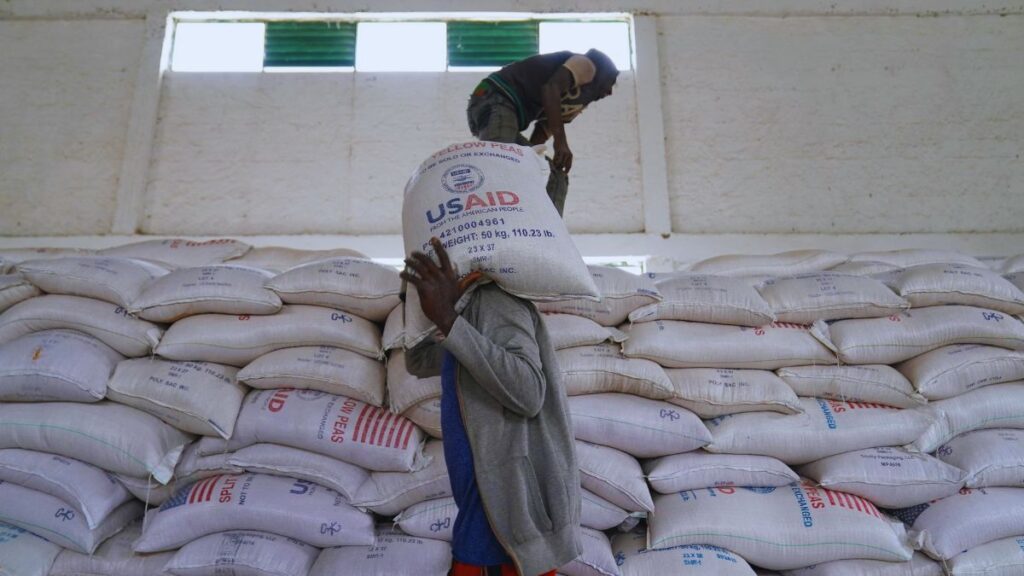
The blocked funds include nearly $4 billion for the U.S. Agency for International Development (USAID) to support global health initiatives, and more than $6 billion dedicated to HIV and AIDS programs worldwide. Trump has consistently criticized such programs, labeling them as wasteful and inconsistent with his foreign policy priorities. In January, he signed an executive order instructing the State Department and USAID to freeze certain foreign aid spending.
While a divided appeals court panel initially allowed the Trump administration to suspend the funds, that decision was later revised, reviving the lawsuit and setting the stage for Ali’s order. Ali emphasized that his ruling might not be the final say on the issue, acknowledging that higher courts are likely to weigh in. “This case raises questions of immense legal and practical importance, including whether there is any avenue to test the executive branch’s decision not to spend congressionally appropriated funds,” he wrote.
For now, the decision underscores a critical separation-of-powers battle: Congress controls the federal budget, while the executive branch is tasked with carrying it out. Ali’s ruling reaffirms that the president cannot unilaterally block foreign aid spending that lawmakers have already approved.

Helene Elliott is the Lead Science & Space Reporter at News Raise. She reports on aerospace missions, astrophysics discoveries, quantum research, and environmental technology.