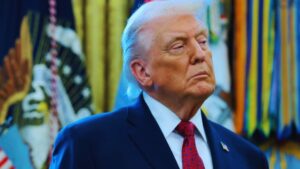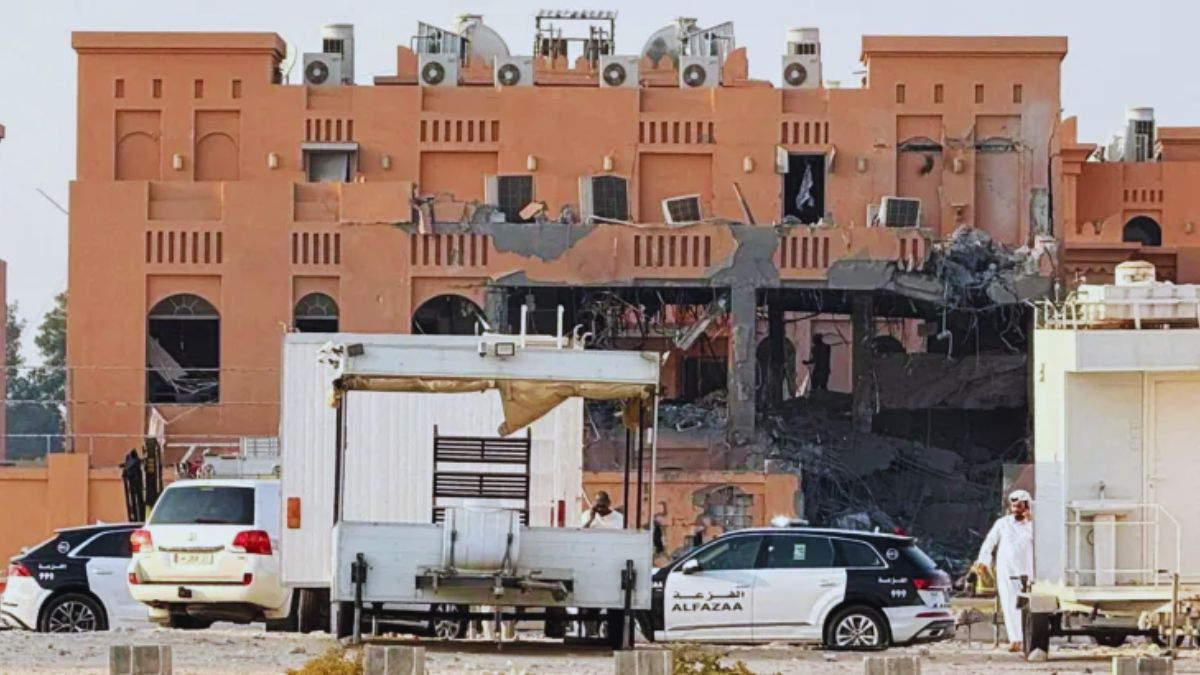
Qatar’s Prime Minister and Foreign Minister, Sheikh Mohammed bin Abdulrahman bin Jassim Al Thani, is holding high-level talks in New York with United States President Donald Trump following Israel’s deadly airstrike on Doha earlier this week.
The strike, which targeted a Hamas meeting in the Qatari capital, killed a senior Qatari security official along with five Hamas members who were reportedly reviewing a new US-backed ceasefire plan for Gaza. The attack has sent shockwaves across the Middle East, raising questions about Qatar’s longstanding security ties with Washington and its delicate balancing act in regional diplomacy.
A Flurry of Diplomatic Engagements in Washington
Ahead of his dinner meeting with Trump on Friday, Sheikh Mohammed has already met with US Vice President JD Vance and Secretary of State Marco Rubio at the White House. Discussions reportedly centered on Israel’s strikes, the US-Qatar security framework, and ways to move forward with the Gaza ceasefire proposal.
Trump, currently staying at Trump Tower in Manhattan, has expressed frustration over Israel’s decision to hit Doha, and suggested that the strike was an attempt to derail ongoing ceasefire negotiations.
Israel, Gaza, and the Shifting Middle East Balance
The US has long counted Qatar as a trusted ally in the Gulf. The country hosts the Al Udeid airbase, the largest American military installation in the Middle East, and has often played the role of mediator in regional conflicts. Over the years, Qatar has facilitated talks between Israel and Hamas, as well as negotiations between the Taliban and the US during the war in Afghanistan.
The Israeli attack has, however, shaken the core assumption underpinning Qatari foreign policy for decades be useful to Washington, and America will protect you. Diplomats say that faith in the US security umbrella has been deeply tested by this week’s events.
US Balancing Act Between Allies and Israel
The Biden administration’s balancing act in the Middle East has become even more complicated. On Thursday, the United Nations Security Council, including the US, took the rare step of condemning Israel for its strike on Qatar. Traditionally, Washington shields Israel from such criticism, but the decision highlighted rising global unease over the war in Gaza.
Still, Washington has sought to reassure Israel of its support. Secretary of State Marco Rubio is scheduled to visit Israel this weekend for a two-day trip before heading to a UN summit on September 22, where several Western nations are expected to formally recognize a Palestinian state.
Push for Peace and the Two-State Solution
Momentum towards a post-conflict settlement is growing on the international stage. On September 12, the UN General Assembly endorsed a resolution urging a revival of the two-state solution. France and Saudi Arabia have also been leading calls for “collective action” to end the war in Gaza, which has already claimed the lives of more than 64,756 people, according to estimates.
While Trump tends to view global alliances through a transactional lens, analysts say Israel’s strike has damaged the trust between the Gulf and the US, a relationship that has endured since the 1930s. For Qatar, the tragedy has highlighted both the risks and limitations of relying too heavily on American protection, even while serving as one of Washington’s most important strategic partners in the region.

Helene Elliott is the Lead Science & Space Reporter at News Raise. She reports on aerospace missions, astrophysics discoveries, quantum research, and environmental technology.