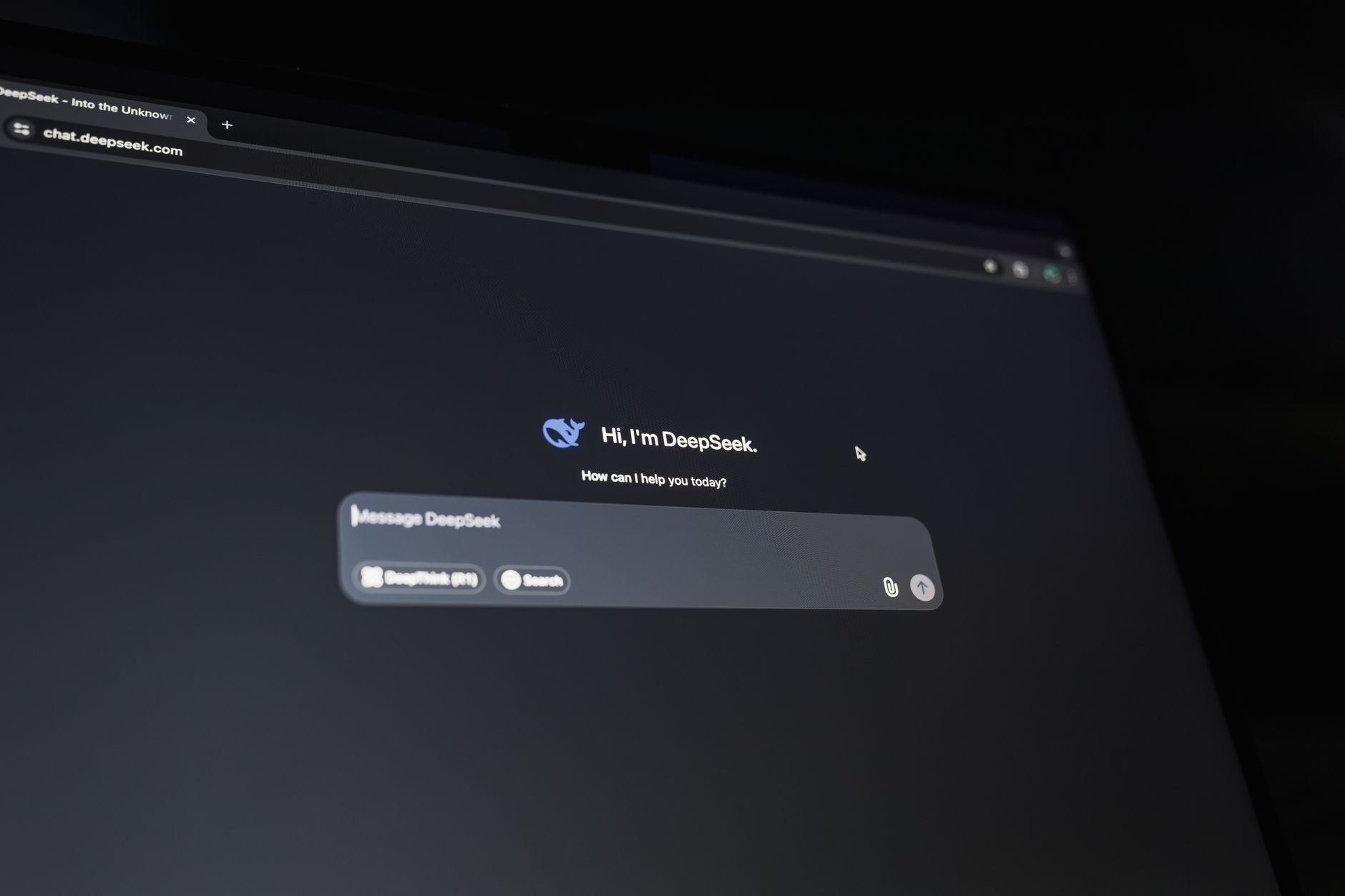
“Meat proxy” is rapidly gaining traction as a label for individuals who forward AI‑generated responses—such as those from ChatGPT or Claude—without adding personal insight or verification. The term captures a growing unease that the convenience of large language models may be eroding critical thinking and authentic communication in professional and educational settings.
Origin of the term
The phrase first appeared in a brief blog post dated August 3, authored by developer Niklas Guhn. Guhn complained that colleagues were responding to his Slack messages with verbatim excerpts from AI chatbots, offering no additional context. He wrote, “This is not adding value. I can talk to Claude myself. It’s going to be faster and I get to control the context. I don’t need a meat proxy in between.” The post quickly resonated on social media, prompting a viral X (formerly Twitter) comment that declared the term a fresh addition to tech slang.
Online users broadened the definition to describe “a person who forwards AI‑generated text, code or other output without reading, understanding or validating it. The person acts only as a relay between the AI system and the intended recipient.” The human is framed as the “meat,” serving merely as an intermediary or proxy for the machine.
Impact on workplaces and classrooms
Guhn’s grievance highlights a larger concern: reliance on AI stand‑ins can dilute human expertise. In professional environments, the practice may undermine collaborative problem‑solving. If a teammate seeks a human perspective on code or a project, receiving an unexamined AI snippet defeats the purpose of human review and can allow errors to propagate unchecked.
Educators worry that students who copy and paste AI output without grappling with the material miss essential learning opportunities. The habit may erode reading comprehension and analytical skills, as individuals bypass the mental friction required to evaluate and synthesize information.
Trust in interpersonal communication can also suffer. Apps such as Ditto and Winggg, which generate AI‑crafted messages for dating platforms, hint at a future where, according to the head of Bumble, “it’s all AI models talking to each other.” Such scenarios raise questions about authenticity in personal relationships.
Guidelines for responsible AI use
Professionals across fields—including politicians and lawyers—have faced criticism for blindly inserting AI‑generated text into speeches, briefs, or legal documents. Mistakes such as fabricated citations and unvetted prompts have become fodder for social‑media ridicule, underscoring the need for human fact‑checking and editing.
Experts suggest a shift in etiquette rather than a rejection of AI tools. Developers who employ AI for code assistance are urged to review outputs for flaws and to adapt suggestions to improve efficiency. Similarly, users can treat AI as a source of inspiration, crafting their own responses after synthesizing the model’s ideas. This approach preserves personal voice while maintaining authenticity.
As large language models become more embedded in daily workflows, the “meat proxy” label may serve as a reminder to engage critically with AI output. By developing habits that prioritize verification and original thought, individuals can harness the benefits of AI without surrendering the analytical skills that underpin effective communication.

Steve Lopez is a Senior Editorial Columnist and Health & Public Policy reporter for News Raise. Steve focuses on healthcare advancements, medical technologies, and public health policies.