Apple confirmed that John Ternus will assume the role of chief executive on Tuesday, ending Tim Cook’s 15‑year tenure at the helm. The transition places a veteran hardware engineer in charge of a company that dominates the smartphone market yet lags behind rivals in artificial‑intelligence capabilities.
Leadership transition and strategic focus
Ternus, 51, joined Apple’s design team in 2001 and advanced to senior vice president of hardware engineering, where he reported directly to Cook. In his new capacity, he will oversee the engineering teams responsible for the full product lineup, including iPhones that generate the bulk of Apple’s revenue. He steps into the role with barely a week before Apple’s annual iPhone event scheduled for September 9, an event expected to showcase the company’s first foldable handset.
Investment‑firm Yorkville Ives & Co. partner Dan Ives praised Cook’s departure, saying, “Tim Cook left the house in phenomenal order.” Ives added that the next challenge is “Ternus defining the AI chapter,” and predicted the new CEO will double down on hardware innovation while preserving Cook’s supply‑chain strategy.
Some analysts had suggested software chief Craig Federighi as a more logical successor given Apple’s AI ambitions. However, Creative Strategies analyst Carolina Milanesi argued that consumer adoption remains hardware‑first, stating, “Consumers are still buying hardware first, and it’s going to be like that for a long time… You’re not going to discover the value of AI if you’re not interested in the hardware.” Cook echoed a similar sentiment in his final memo to staff, noting, “Few people understand what it takes to build products that change the world the way John does.”
Hardware pedigree and internal reputation
Ternus earned a bachelor’s degree in mechanical engineering from the University of Pennsylvania and previously worked as an engineer at Virtual Research Systems before joining Apple. Within the company, he is credited with initiatives that improved product durability, reliability and resilience, as well as design work that reduced carbon footprints.
Nevertheless, Milanesi cautioned that Ternus’s leadership style remains uncertain, saying, “Even people that know him now don’t know him as a CEO… Your responsibility is bigger, your power is bigger. You’re dancing a different kind of dance.”
Geopolitical and supply‑chain challenges
Apple’s manufacturing network, described as one of the most complex corporate supply chains, relies heavily on China while also serving the country as a major consumer market. Under Cook, Apple began diversifying production, moving some iPhone assembly to India and other components to Vietnam, but the shift has been gradual.
Former President Donald Trump repeatedly urged Apple to produce iPhones in the United States, threatening tariffs on devices built overseas. Cook mitigated the trade‑war impact by engaging directly with the White House, making U.S. investment commitments and political donations while simultaneously maintaining a relationship with Beijing.
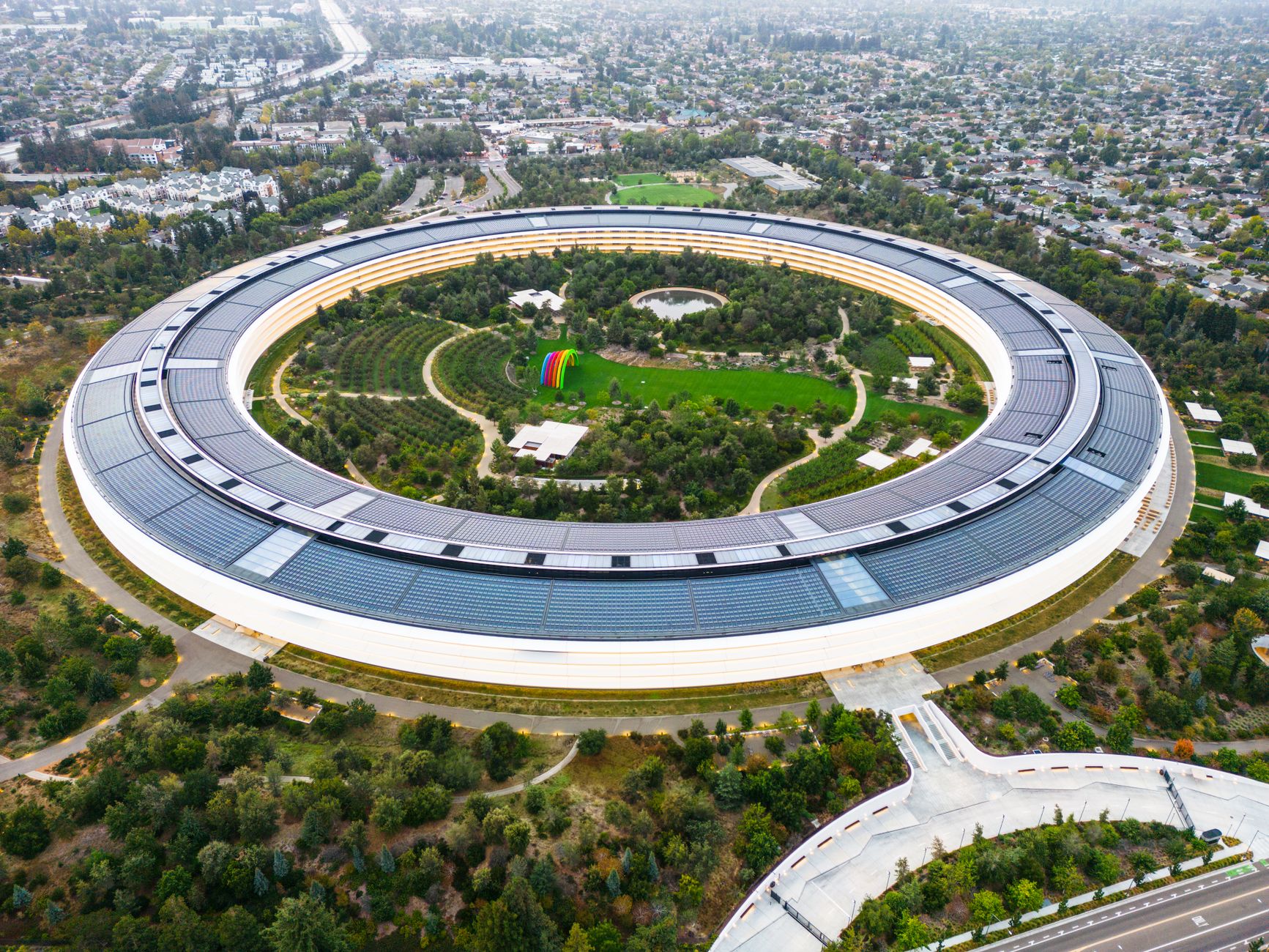
The new CEO will inherit this delicate balancing act. Ives noted that while Ternus knows Apple Park “like the back of his pocket” for hardware, the global diplomatic arena will be “one of the biggest areas where he’s going to have to learn on the job.” Cook will transition to executive chairman on the same day, with a mandate to engage policymakers worldwide, a move Milanesi described as “clever” because it frees Ternus from a role Cook handled alone for years.
The September 9 iPhone event will serve as the first public test of the handover. If Apple unveils a foldable iPhone, it would represent the most significant redesign in years, placing Ternus at the forefront of the product’s launch just eight days into his tenure. Milanesi summed up the moment, saying, “This is a moment that they created for him.”

Norman Pearlstine is the Executive Editor and Co-Founder at News Raise. With over two decades of experience across financial journalism, corporate governance, and market analysis, Norman leads the editorial direction and ensures strict adherence to journalistic accuracy and ethics.