A nonprofit called the Fermi Explorer Mission announced on Sept. 1 that it intends to launch a small probe toward the Alpha Centauri system by 2029. The spacecraft, designed to travel the 4.4‑light‑year distance to the nearest stellar neighbor, would take roughly 80,000 years to arrive, underscoring the project’s long‑term vision of inspiring future generations.
Team and Advisory Board
Philip Johnston, co‑founder and president of the Fermi Explorer Mission, also serves as co‑founder and CEO of Starcloud, a company planning space‑based data centers. He founded the mission alongside fellow Starcloud co‑founders Ezra Feilden and Adi Oldean. Day‑to‑day execution is overseen by former U.S. Air Force officer Garrett Jamison. The advisory roster includes former Blue Origin president Rob Meyerson and Matt Gialich, co‑founder and CEO of asteroid‑mining firm AstroForge.
Mission Design and Cost
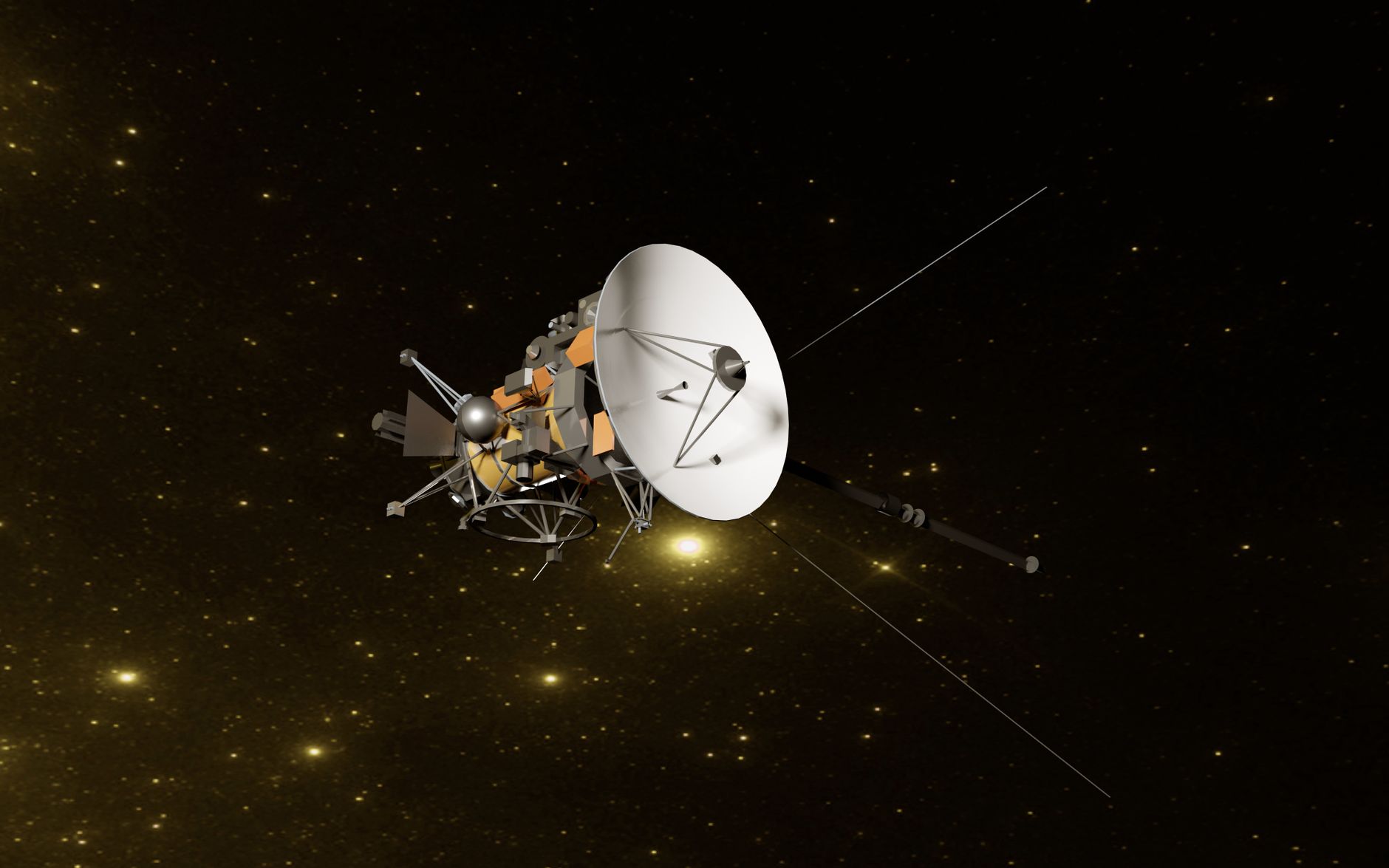
The planned probe will carry at least one kilogram (about 2.2 pounds) of payload. The team envisions a spacecraft weighing between 100 and 200 kilograms (220‑440 pounds) on Earth, likely powered by electric propulsion—a technology already proven in spaceflight and more efficient than conventional chemical thrusters. The entire mission is budgeted at under $15 million, with the organization already holding a proposal from a major satellite manufacturer that meets the cost cap.
Unlike NASA’s Voyager probes, which are now in interstellar space but follow a trajectory set by a past planetary “grand tour,” the Fermi Explorer will follow a directed path to a specific star system. The mission does not rely on speculative technologies such as the laser‑propelled sails proposed by the now‑inactive Breakthrough Starshot project, which aimed to accelerate nanoprobes to 20 percent of light speed for a 20‑year trip to Proxima Centauri.
Scientific Motivation
The initiative is framed around the Fermi Paradox, the question first posed by physicist Enrico Fermi in 1950: “Where is everybody?” The mission’s FAQ outlines three common explanations for the paradox: (1) intelligent life is rare, (2) it is common but short‑lived, or (3) it is abundant yet deliberately non‑communicative. While a single probe cannot resolve the paradox, the team argues that demonstrating a feasible, low‑cost interstellar launch will provide confidence that intelligent species can reach their nearest star without prohibitive resources.
Johnston said, “We hope to be both the first to leave and the last to arrive at Alpha Centauri. None of us will be here when this journey ends, and that is the point. It’s about taking the first achievable step and inspiring future generations to keep pushing beyond the limits we inherited.”
The nonprofit status (501(c)(3)) allows public donations to support the project, and the organization has opened a fundraising channel for interested contributors.
Final details such as the spacecraft builder and specific payloads are expected to be finalized in the coming months, as the team moves toward its 2029 launch window.

Helene Elliott is the Lead Science & Space Reporter at News Raise. She reports on aerospace missions, astrophysics discoveries, quantum research, and environmental technology.