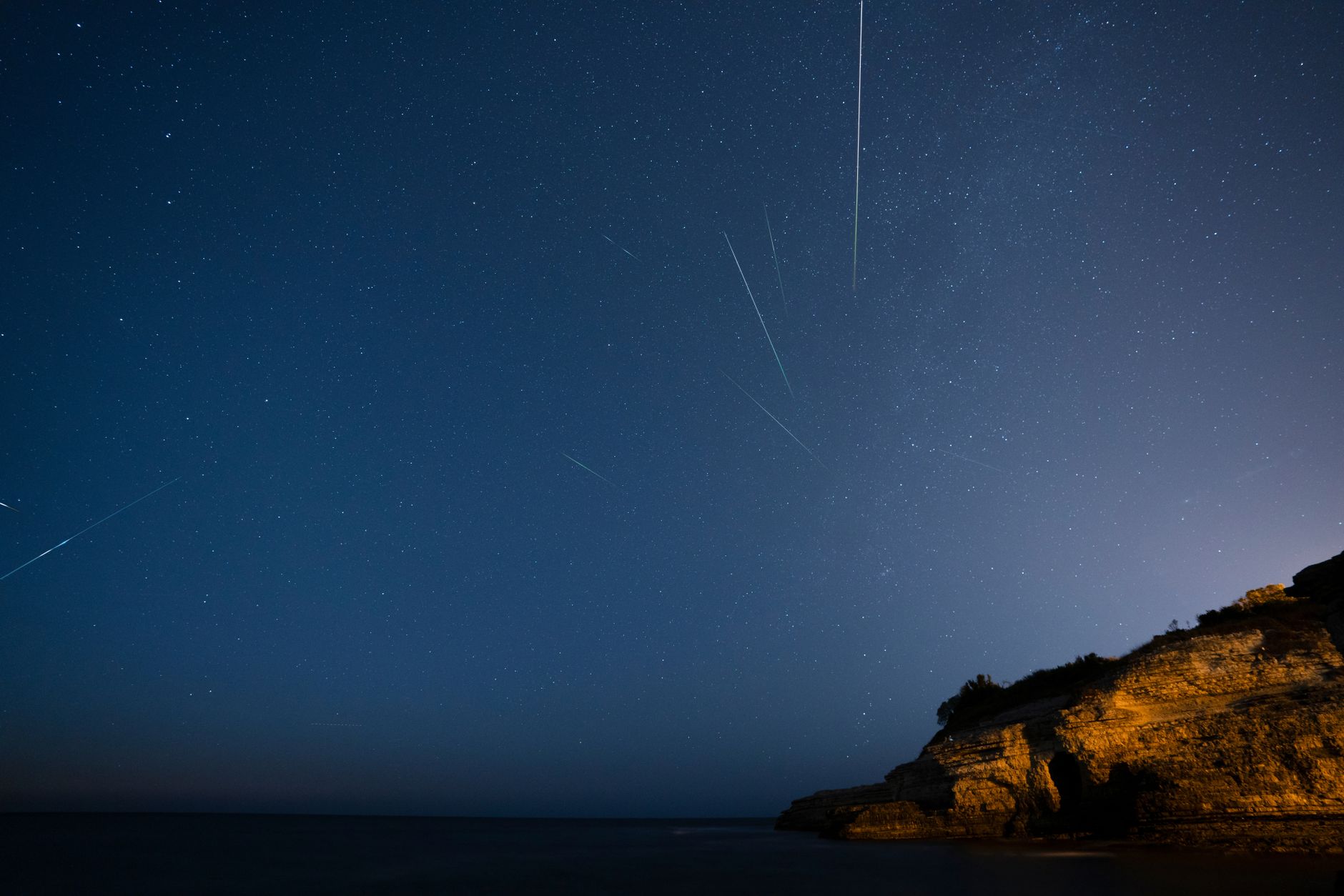
The Leonid meteor shower, one of the most celebrated annual displays, reaches its peak overnight Monday into early Tuesday. The shower began at the start of November and typically runs through the first few days of December, giving observers a window of several nights to catch the meteors.
What makes the Leonids special
Leonids originate from the debris trail left by the periodic comet 55P/Tempel‑Tuttle. The comet was discovered on December 19, 1865, by William Tempel of the Marseille Observatory, more than 160 years ago. According to the American Meteor Society, the meteors we see are not fresh material from the comet but older debris that happens to be densest at this time of year. The society adds that future returns of the comet in 2031 and 2064 could produce displays exceeding 100 meteors per hour, though a storm is not guaranteed.
Leonids are among the fastest meteors, traveling at roughly 44 miles per second. Their speed makes them appear bright and, at times, colorful. NASA notes that the shower is also known for fireballs and “Earth‑grazing” meteors—objects that skim the upper atmosphere at a shallow angle before disappearing.
Tips for viewing the Leonids
For the best chance to see the meteors, observers should find a dark location and look up after midnight on Monday. Although the meteors seem to radiate from the constellation Leo, they will cross the entire sky. Eyes need about 20 minutes to fully adjust to darkness, so it helps to avoid looking at bright screens; a cell phone should be set aside during the watch.
Typical rates for the Leonids range from 10 to 15 meteors per hour, meaning a meteor may appear roughly every five minutes. Patience and warm clothing are advisable, as November temperatures can be chilly. The moon will be about 40 percent illuminated, which could make fainter meteors harder to spot while the moon is above the horizon.
Clear skies are essential. High cloud cover can block the meteors entirely, preventing the display from reaching the observer.
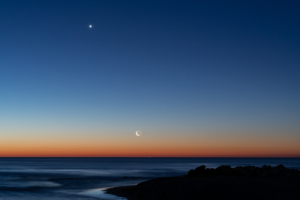
While waiting for meteors, skywatchers can enjoy additional celestial sights. Mars and Jupiter will rise close together in the eastern sky on Monday and Tuesday mornings, offering a view that does not require a telescope. The bright star Regulus will also be visible before sunrise on Sunday.
Finally, the Leonids serve as a warm‑up for the Geminids, which peak on December 13‑14 and are considered one of the most anticipated meteor showers of the year, second only to the Perseids in August.

Helene Elliott is the Lead Science & Space Reporter at News Raise. She reports on aerospace missions, astrophysics discoveries, quantum research, and environmental technology.