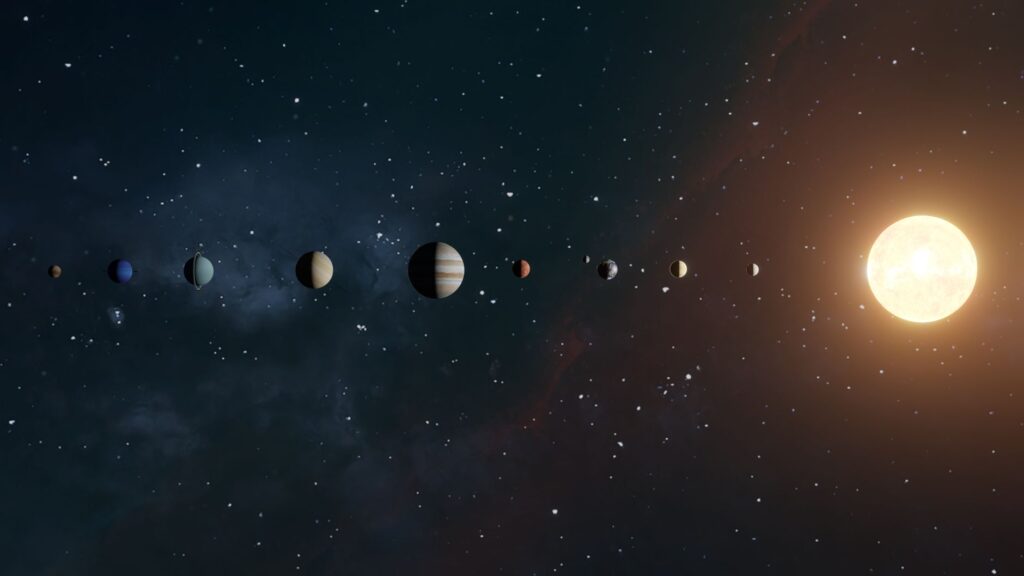
A team of astronomers reports the first candidate for a planet born from the debris of a dead star, orbiting the white dwarf HS 0209+083.
Posts tagged as “Astronomy”
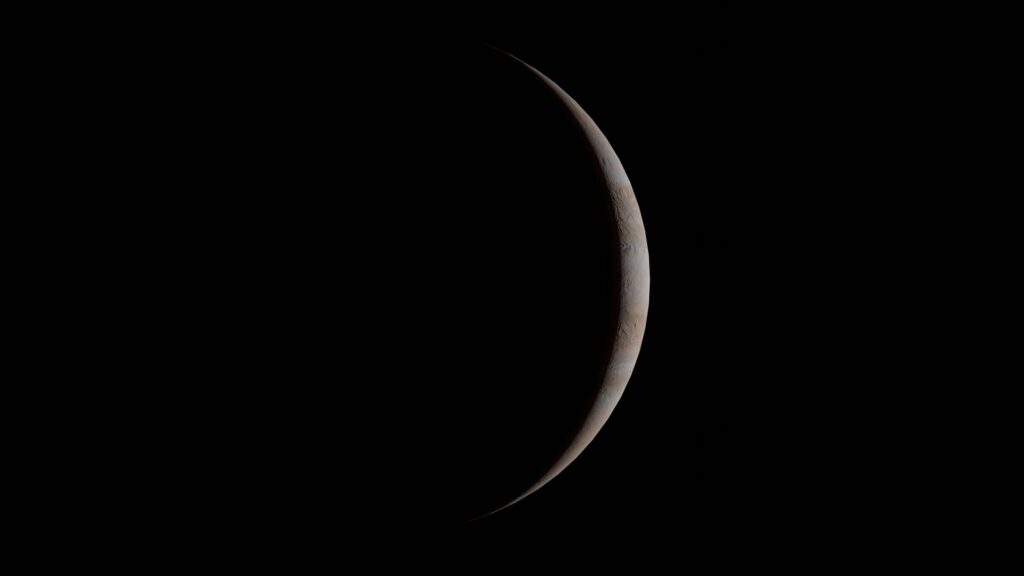
Early on Tuesday, Oct. 6, a waning crescent moon will pass in front of Jupiter, creating a rare lunar occultation visible from eastern North America and parts of Africa.
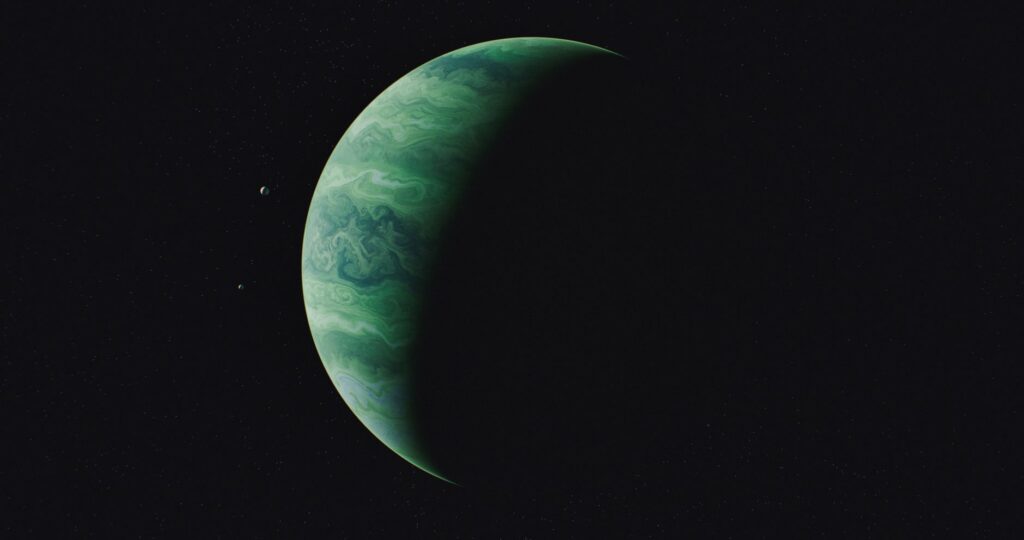
Researchers have identified a candidate Jupiter-mass planet, HD 156295 b, orbiting within the habitable zone of an A-type star nearly 2,000 °C hotter than the Sun.
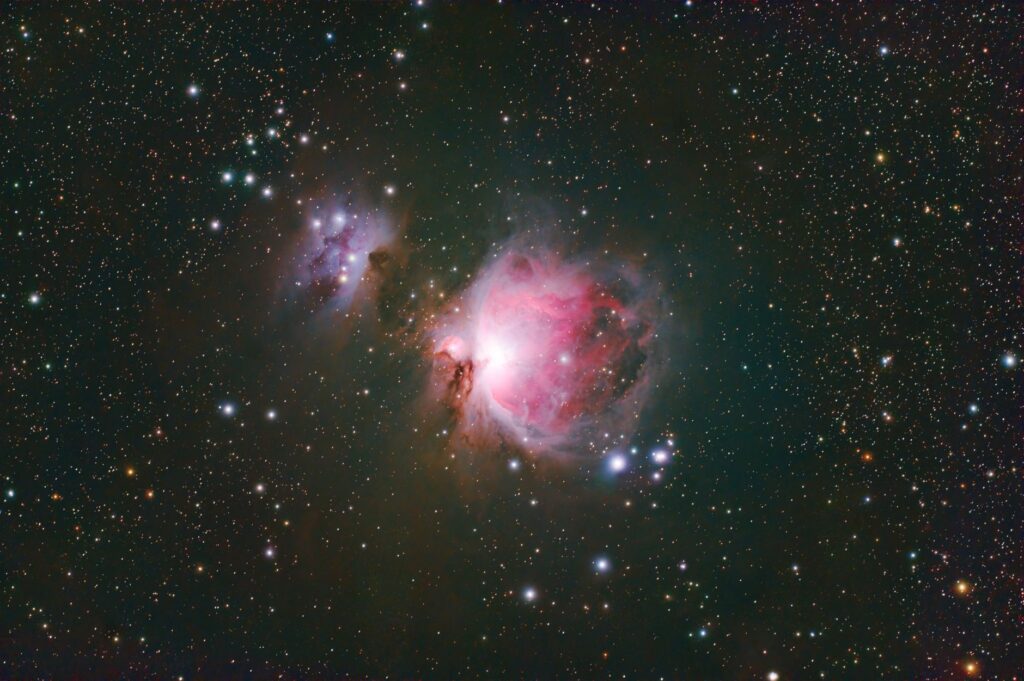
Astronomers have identified a hot white dwarf whose atmosphere contains trans‑iron elements and a photometric signal consistent with a second‑generation planet formed from stellar waste.
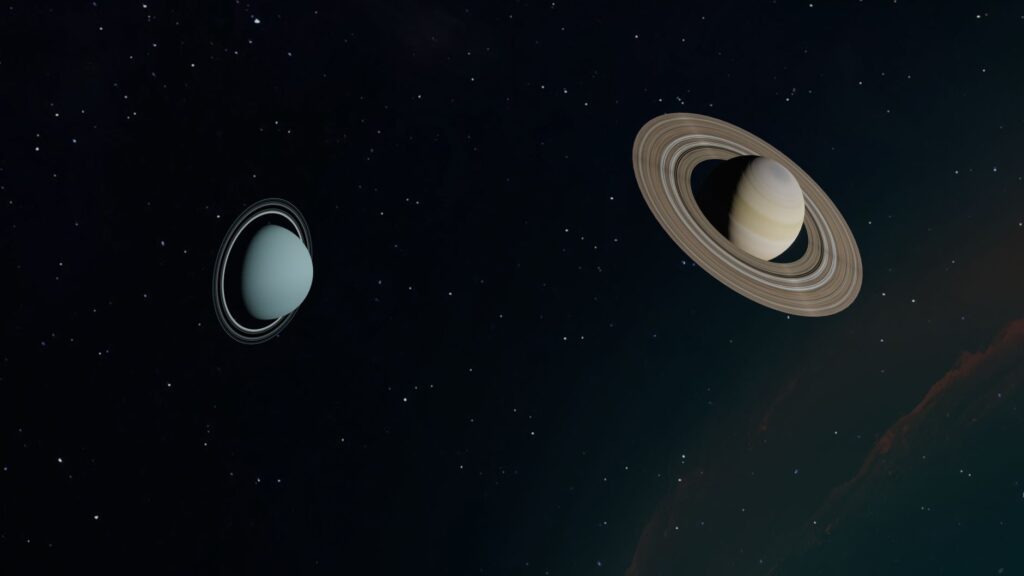
Saturn reaches opposition, appearing brighter and larger than any time this year, offering a prime viewing opportunity for skywatchers.
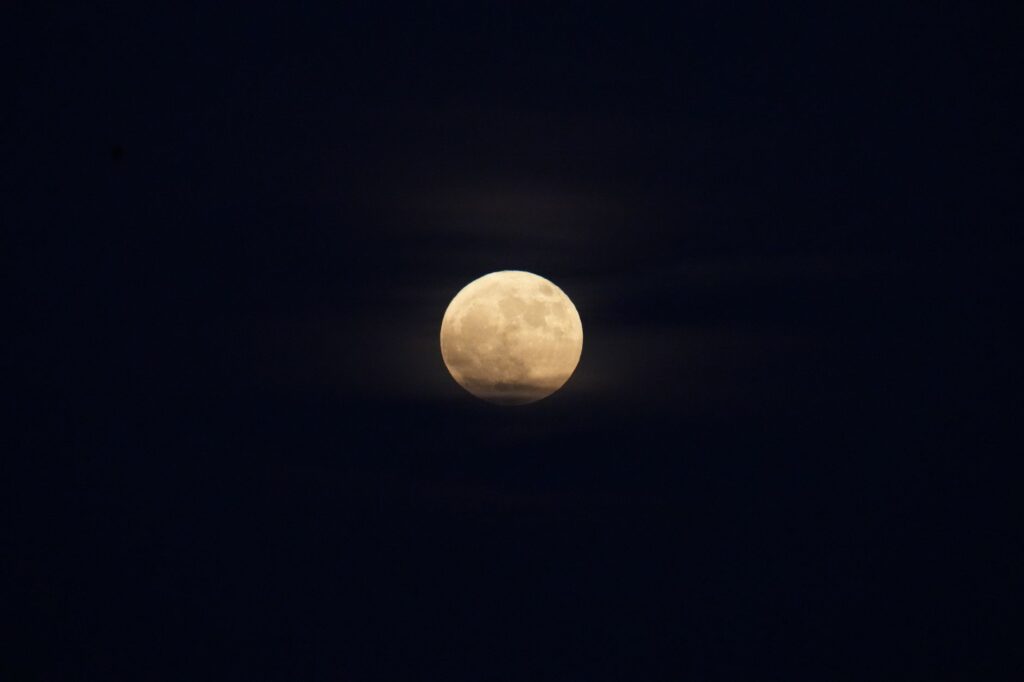
The September harvest moon reaches peak brightness Saturday, while Saturn rises near it from Friday through Monday, offering a rare double display for sky‑watchers.
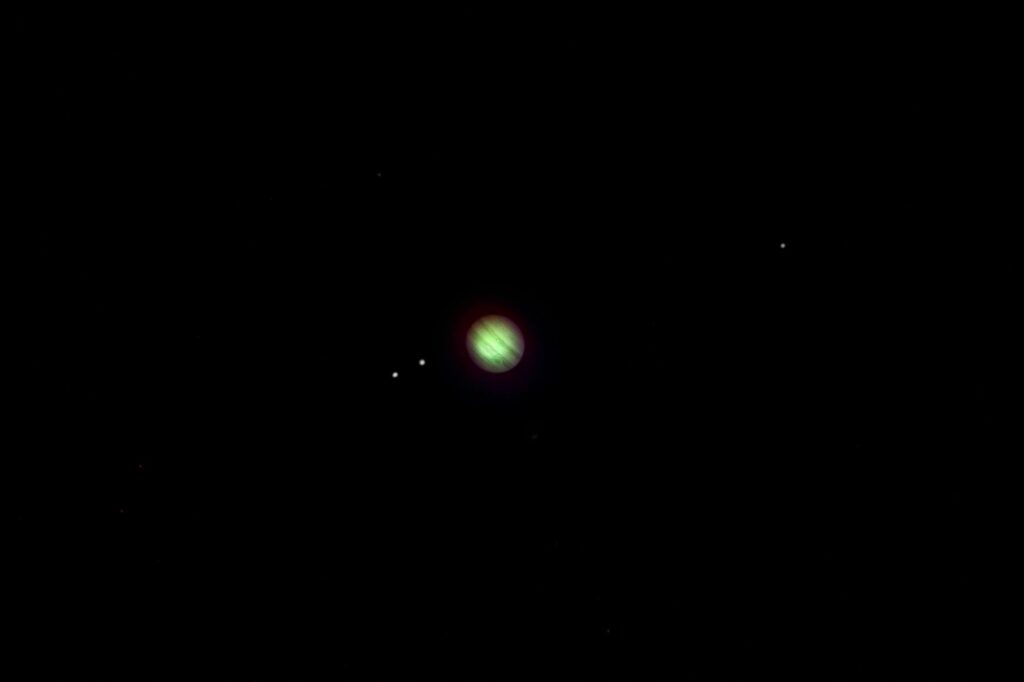
Late September offers a chance to see all five naked‑eye planets and the Harvest Moon without a telescope.
Caltech researchers unveiled a high‑resolution video of blazar 3C 345, using a new algorithm to reveal plasma jets moving toward Earth.
NASA activated the Nancy Grace Roman Space Telescope’s 300‑megapixel camera, producing its first test images—blurred “green donuts”—as engineers begin months of calibration.
NASA reports that the Nancy Grace Roman Space Telescope, launched on Aug. 30, has used far less fuel than planned, extending its expected mission from 10 to 22 years.