Iron deficiency remains the most widespread nutritional shortfall worldwide, affecting a large proportion of children and women of reproductive age. While meat provides the highly bioavailable heme form of iron, many people are reducing red‑meat consumption for health, cost or environmental reasons. Researchers stress that plant‑based eaters can still meet their iron needs by paying attention to food preparation, complementary nutrients and timing of drinks.
Cooking methods that free iron
Leafy greens such as spinach, Swiss chard and beetroot leaves contain oxalates, compounds that bind iron and limit its absorption. Boiling these vegetables releases oxalates into the cooking water, allowing a greater proportion of iron to be taken up by the body. Steaming, by contrast, does not have the same effect. The guidance applies specifically to high‑oxalate greens; other vegetables are not impacted in the same way.
Enhancing plant iron with vitamin C and fermentation
Vitamin C acts as a powerful enhancer of iron absorption from non‑heme sources. Yemisi Latunde‑Dada, a senior lecturer in nutritional sciences at King’s College London, notes that pairing iron‑rich foods with a source of vitamin C can significantly improve uptake. Simple combinations—such as adding lemon juice to cooked greens or serving beans with a tomato‑based sauce—provide the needed acid to convert iron into a more absorbable form.
Fermentation offers another route to better iron availability. The process breaks down phytic acid, a naturally occurring substance in grains, nuts and seeds that otherwise chelates iron and hinders its absorption. By fermenting foods like sourdough bread or fermented legumes, the phytic acid content is reduced, making the iron more accessible to the digestive system.
Fortified foods and beverage timing
Many staple products—breads, breakfast cereals and other processed items—are fortified with iron. However, according to Susan Fairweather‑Tait, professor of mineral metabolism at the University of East Anglia, manufacturers often use iron forms that are “unreactive” to preserve taste, colour and shelf‑life. These forms are less readily absorbed, meaning that fortified foods may contribute only modestly to overall iron status.
The choice of drink consumed with a meal also influences iron uptake. Polyphenols, tannins, fibre and remaining phytates can inhibit absorption. Tea, in particular, contains compounds that reduce iron availability. Fairweather‑Tait advises spacing tea consumption at least two hours after eating iron‑rich meals to minimise this effect.
Even with optimal dietary strategies, the human body absorbs only a fraction of ingested iron. Heme iron from meat is taken up at a rate of roughly 15‑30 %, whereas non‑heme iron from dried legumes is absorbed at about 2 % and from leafy vegetables at 7‑9 %. Consequently, the recommended daily intakes set by the UK’s NHS reflect this low efficiency: 8.7 mg for adult men and women over 50, and 14.8 mg for women aged 19‑49, with higher needs for those experiencing heavy menstrual loss.
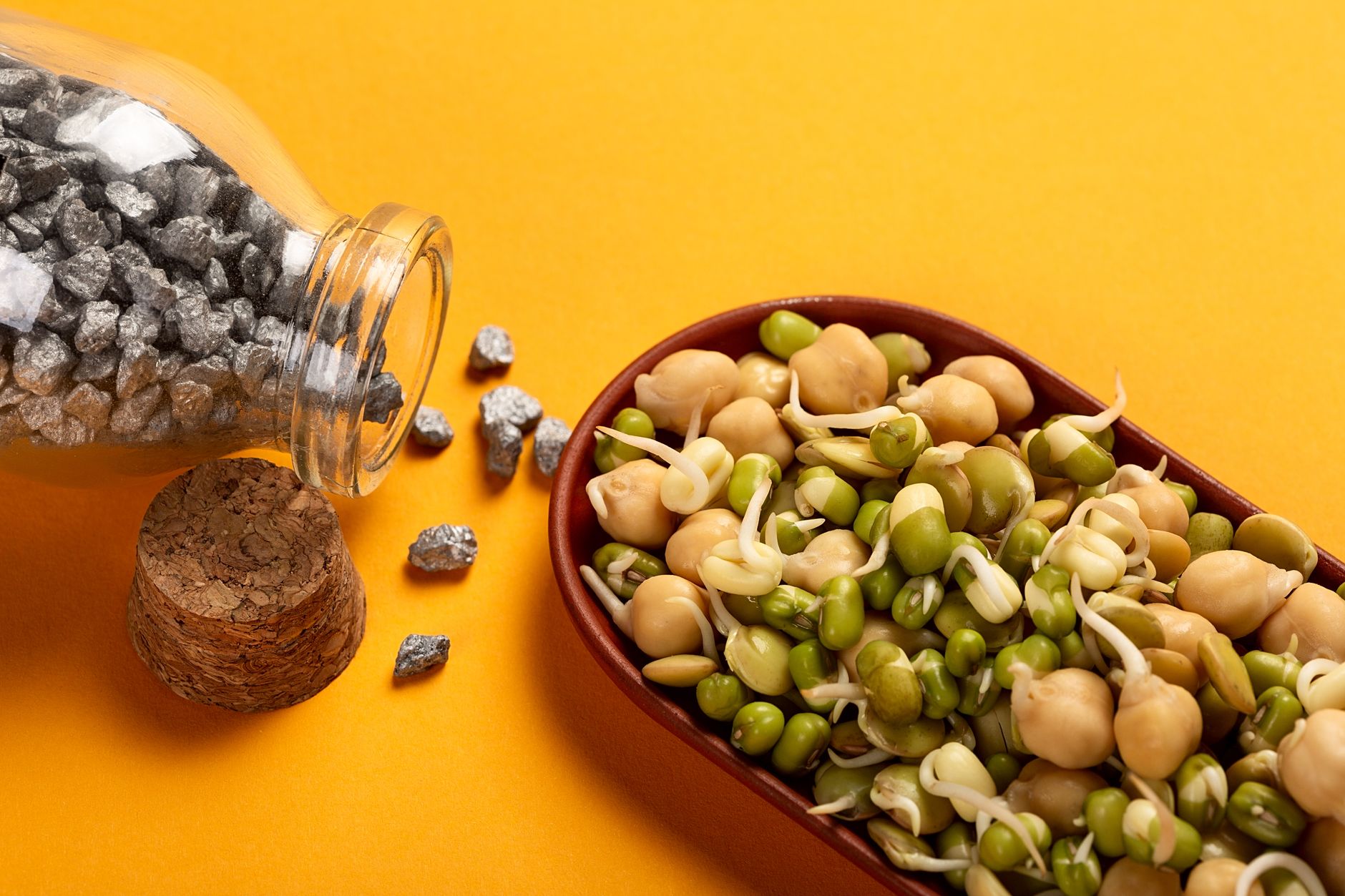
Typical plant‑based sources provide modest amounts per 100 g: chickpeas 2 mg, broccoli 1 mg, sunflower seeds 6.4 mg (a 30 g serving yields about 1.9 mg), tofu 1.2 mg, and beef rump steak 3.6 mg for comparison. Studies have shown that refined white‑flour bread can achieve absorption rates up to 13.6 %, higher than many fortified products.
Fairweather‑Tait recommends spreading iron‑rich foods throughout the day rather than consuming a large amount in a single sitting. The body regulates iron uptake tightly; excessive single‑dose intake can trigger mechanisms that limit absorption, whereas regular, smaller portions support a steadier supply that matches daily losses from sweat, menstruation and other physiological processes.
By combining these practical steps—boiling high‑oxalate greens, pairing iron foods with vitamin C, incorporating fermented items, choosing appropriate fortified products, and timing beverages—individuals on meat‑free diets can improve their iron status without relying on animal sources.

Steve Lopez is a Senior Editorial Columnist and Health & Public Policy reporter for News Raise. Steve focuses on healthcare advancements, medical technologies, and public health policies.