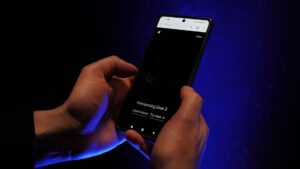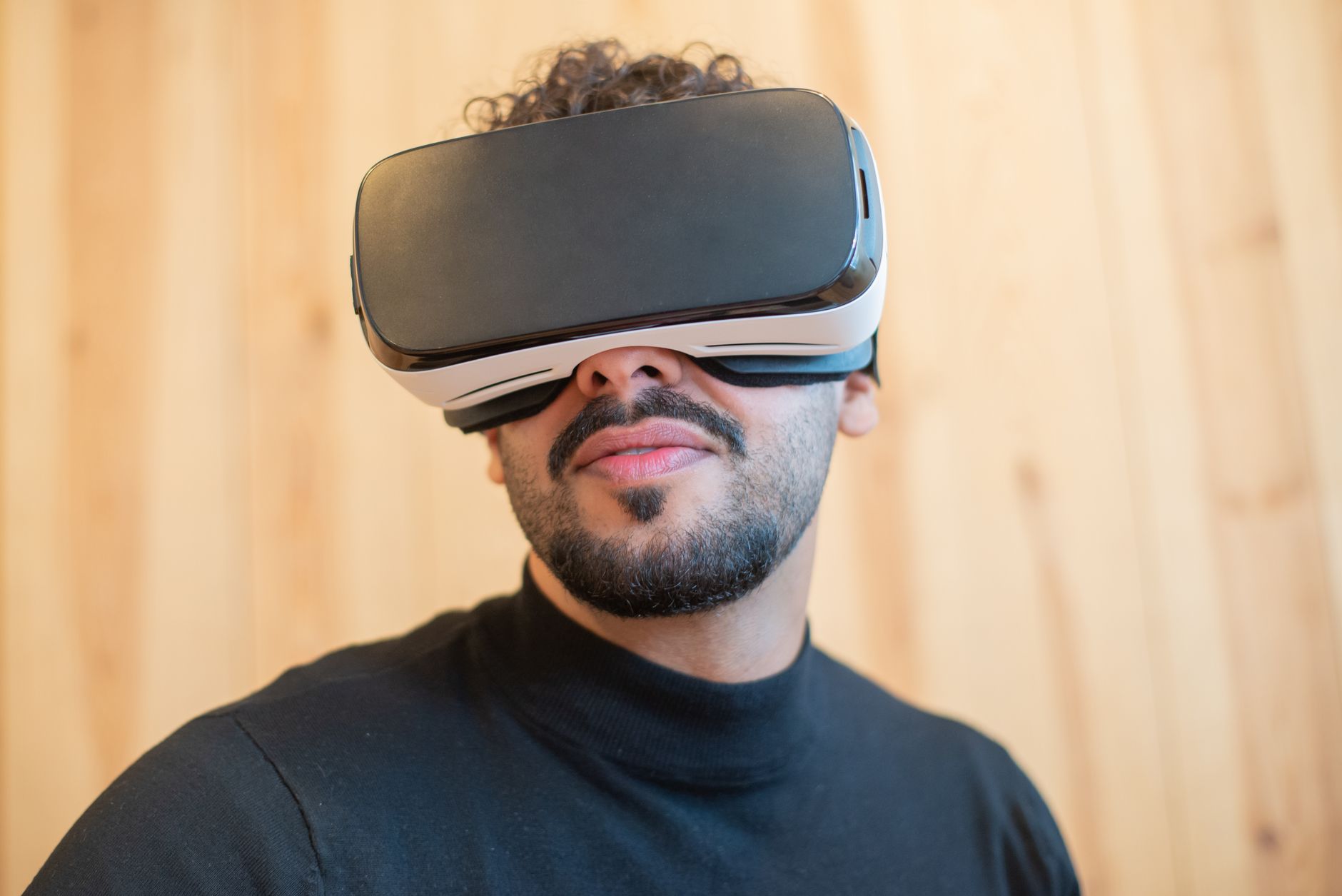
Meta CEO Mark Zuckerberg used Wednesday’s Connect developer conference to showcase two new hardware products that signal the company’s dual focus on virtual reality and artificial‑intelligence agents. The announcements included the Meta VR Glasses, a slimmer, lighter headset priced at $1,299, and a handheld device called the Muse Charm, designed to work with Meta’s recently released Muse AI personal agent.
Meta VR Glasses: a new form factor for immersive experiences
Zuckerberg described the glasses as the first VR device that looks like a pair of glasses, delivering “the same magical feeling of presence and immersion, high‑resolution displays and views of the world around you.” The device departs from Meta’s earlier Quest‑branded headsets by relying on an external puck that houses a Qualcomm processor and a battery. By off‑loading processing and power to the puck, the glasses remain compact and lighter than the Quest line.
According to the presentation, the glasses will display higher‑quality visuals than previous Quest models and include eye‑tracking and hand‑tracking sensors. Those sensors reduce the need for separate controllers, allowing users to interact directly with the virtual environment using gaze and gestures. The product is slated to launch in spring 2027, marking Meta’s first VR release since the $299 Quest 3S debuted in 2024.
Muse Charm: a voice‑first gateway to Meta’s AI agents
The Muse Charm is a small, handheld pendant that pairs with the Muse AI personal agent. Zuckerberg said the device lets users speak to their AI “without having to unlock a phone or open an app.” While specific capabilities were not detailed, the implication is that the Charm will act as a voice‑first interface for the Muse ecosystem, enabling quick, on‑the‑go interactions.
No price was disclosed for the Muse Charm, but Zuckerberg indicated that Meta is still finalizing component layouts. He added that the company plans to have the device ready for shipment in time for the December holiday season.
Strategic context: merging VR hardware with AI services
By unveiling both products at the same event, Meta signaled an intention to integrate its VR hardware roadmap with the growing suite of AI services it is building around the Muse agent. The VR Glasses, with their eye‑tracking and hand‑tracking capabilities, could serve as a high‑fidelity front end for AI‑driven experiences, while the Muse Charm offers a lightweight, voice‑enabled entry point to the same AI services.
“We’ve packed a lot of technology with this little guy,” Zuckerberg said of the Muse Charm, adding that it would be “by far the fastest way to talk to your Muse and to show it what’s going on around you” for users who are not wearing glasses. The remarks underscore Meta’s strategy of providing multiple hardware touchpoints—both visual and auditory—to keep users engaged with its AI ecosystem.
Overall, the announcements reflect Meta’s continued investment in hardware that supports immersive and conversational AI experiences. With a premium price tag for the VR Glasses and a holiday‑season launch window for the Muse Charm, the company appears to be targeting early adopters and developers who are willing to explore the convergence of high‑resolution virtual reality and real‑time AI interaction.

Mitchell Landsberg is a Senior Technology Correspondent at News Raise. He covers consumer electronics, artificial intelligence, software developments, and digital privacy trends.