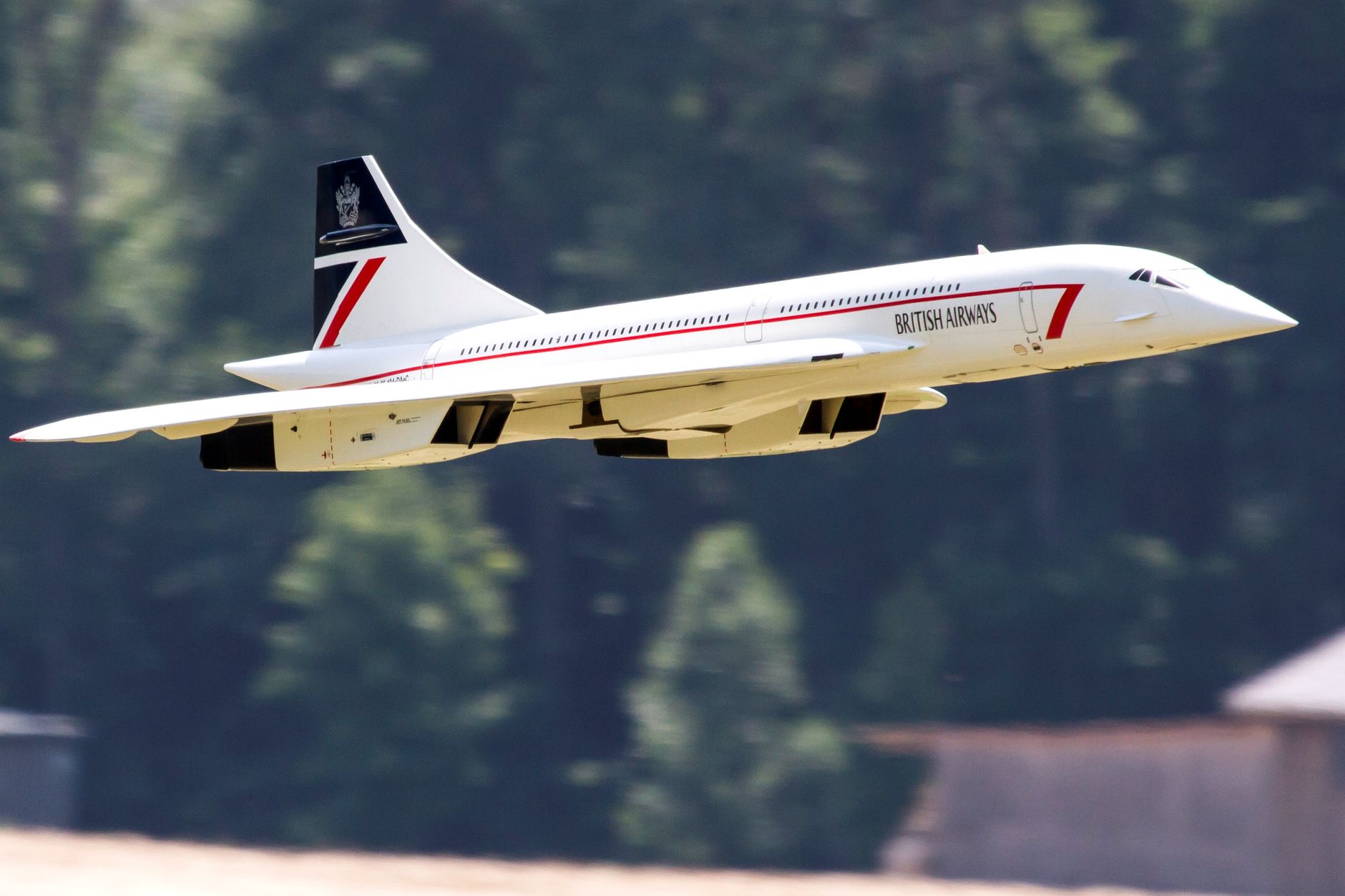
NASA is flying the X‑59, an experimental jet built to tame the disruptive sonic boom that has limited supersonic travel to oceanic routes since the Concorde era. The aircraft’s unusually long nose is designed to spread the shock wave created when breaking the sound barrier, turning a loud boom into a sound the agency describes as “like a car door being closed across the street.”
Design and purpose of the X‑59
The X‑59 is a patchwork of components from other aircraft. Its cockpit and ejector seat come from a T‑38 trainer, the landing gear is borrowed from an F‑16 fighter, and the engine is a derivative of the F‑18. Lockheed Martin assembled the pieces for NASA, resulting in a plane that looks more like a collage than a conventional jet.
Because the forward‑facing cockpit is far back on the fuselage, the pilot relies on a camera feed displayed on a screen, processed in real time to compensate for the lack of direct line‑of‑sight. The aircraft first flew in 2025 and has already broken the sound barrier over selected U.S. towns, allowing NASA to collect data on both the physical characteristics of the reduced boom and public reaction to it.
Peter Coen, a 43‑year NASA veteran who manages the X‑plane program, explains the philosophy behind the project: “Our approach is to pick small goals we aim to prove with flight data and we construct an airframe for that one task.” For the X‑59, the single task is to demonstrate that a quieter supersonic boom is achievable on a modest budget.
Balancing crewed tests and drones
NASA considered an uncrewed version of the X‑59, but concluded that removing the pilot would add certification costs and complexity, especially for a jet intended to operate over populated areas. “Removing the pilot would have added the cost and complication of certifying a robot jet to fly fast over urban areas,” Coen said.
Experts note that while drones have proven valuable, especially in conflict zones such as Ukraine, they cannot yet replace human pilots for passenger‑carrying aircraft. Guy Gratton, professor of Aircraft Test and Evaluation at Cranfield University, argues that “you lose a huge amount without pilots… it can take four times as many people on the ground to test a drone.” He stresses that human feedback remains essential for understanding aircraft behavior in real flight conditions.
The X‑48, a 20‑foot‑wide scaled‑down model that flew in 2007, illustrates NASA’s earlier use of unmanned, low‑cost demonstrators. Coen acknowledges that future X‑planes may become uncrewed, but only when the technology under investigation does not require a pilot and when it proves more cost‑effective.
International parallels and future demonstrators
The United Kingdom is developing its own technology demonstrator that officials liken to a modern X‑plane. BAE Systems’ project, described by project lead Tony Godbold as “the X‑plane of our generation,” brings together about 100 UK suppliers, including Rolls‑Royce, to test concepts for the Global Combat Air Programme (GCAP), a next‑generation fighter slated for the 2030s.
British test pilot Chris Yeo, who flew the Experimental Aircraft Programme (EAP) in 1986, notes the shared heritage: “They all research some facet of flight, and demonstrate the design is working correctly.” The new demonstrator will use engines from the existing Typhoon fighter and is expected to fly in 2028, providing a platform for UK industry to showcase its commitment to GCAP, a joint effort with Italy and Japan.
Across the decades, NASA’s X‑plane lineage has included milestones such as the 1947 Bell X‑1, the first aircraft to break the sound barrier, and the X‑15 rocket plane of the 1960s, which reached 6.7 Mach and the edge of space. Each program has focused on a narrow, measurable goal, a strategy that continues with the X‑59’s effort to make supersonic travel viable over land.
Community surveys are running alongside flight tests to gauge public tolerance for the softened boom. Coen says the data will help determine “what level of boom is acceptable to people on a regular basis.” If the results are positive, the X‑59 could pave the way for commercial airlines to offer faster, trans‑continental routes without the noise restrictions that have long limited supersonic flight.

Norman Pearlstine is the Executive Editor and Co-Founder at News Raise. With over two decades of experience across financial journalism, corporate governance, and market analysis, Norman leads the editorial direction and ensures strict adherence to journalistic accuracy and ethics.