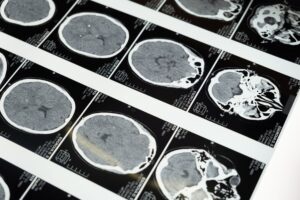
Researchers at the University of Cincinnati have documented a striking rise in first‑time strokes among adults aged 20 to 54 in the Greater Cincinnati/Northern Kentucky area. An analysis of 2,076 cases from 1993‑1994 through 2020 revealed that the annual incidence climbed from roughly 34 strokes per 100,000 people to about 62 per 100,000, more than a two‑fold increase.
Rising Incidence and Stroke Types
The surge was largely driven by ischemic strokes, which occur when a blood vessel supplying the brain becomes blocked. While older adults saw a decline in stroke rates—falling from approximately 619 to 453 per 100,000 over the same period—young adults experienced the opposite trend.
Changing Risk Profile
Among the younger cohort, the study identified higher prevalence of several traditional cardiovascular risk factors, including hypertension, diabetes, and atrial fibrillation. Notably, documented substance use rose sharply, increasing from 4.6% to 40.2% of cases, with marijuana identified as the primary substance.
“It’s hard to say whether this is responsible for any of the rise in stroke; there is a relationship between marijuana use and stroke, but most of the evidence is with heavier use,” said study co‑author Dr. David J. Robinson, an assistant professor of clinical neurology and rehabilitation medicine at the University of Cincinnati College of Medicine. He added that the connection between marijuana and cardiovascular disease requires further investigation to guide patient counseling.
Short‑term survival after stroke also improved for younger patients. The proportion who died within 30 days dropped from 11.7% to 9.4%, a change driven mainly by better outcomes for hemorrhagic strokes such as intracerebral and subarachnoid hemorrhages.
Expert Commentary and Limitations
Dr. Jason A. Gluck, vice chair of the Heart & Vascular Institute at AtlantiCare in New Jersey, emphasized that while strokes remain relatively uncommon in young adults, the upward trend is worrisome. He noted that many of the same risk factors that affect seniors—high blood pressure, diabetes, smoking, obesity, abnormal cholesterol and physical inactivity—are also relevant for people in their 40s.
“Awareness is key,” Gluck said. “When you’re young, sometimes you don’t know about it, so early detection and treatment are essential.”
The researchers acknowledged several limitations. The study did not include a control group of individuals without stroke, making it difficult to determine how much risk factors have changed in the broader population. Additionally, advances in diagnostic imaging, such as increased MRI use, may have contributed to higher detection rates, and improved documentation could explain part of the rise in reported substance use. The geographic scope was confined to five counties in a single state, limiting generalizability.
Dr. Robinson highlighted hypertension as the risk factor most tightly linked to stroke in younger adults and called for broader screening opportunities. He recommended the American Heart Association’s “Life’s Essential 8” framework, which addresses blood pressure control, nutrition, physical activity, tobacco cessation, sleep, weight management, cholesterol, and blood sugar.
Gluck also reminded readers of the “BE FAST” mnemonic for recognizing stroke symptoms—Balance, Eyes, Face, Arms, Speech, Time—to encourage rapid emergency response.
The findings were published in the journal Neurology on September 23, underscoring a growing public‑health challenge and the need for intensified prevention efforts targeting younger adults.

Steve Lopez is a Senior Editorial Columnist and Health & Public Policy reporter for News Raise. Steve focuses on healthcare advancements, medical technologies, and public health policies.