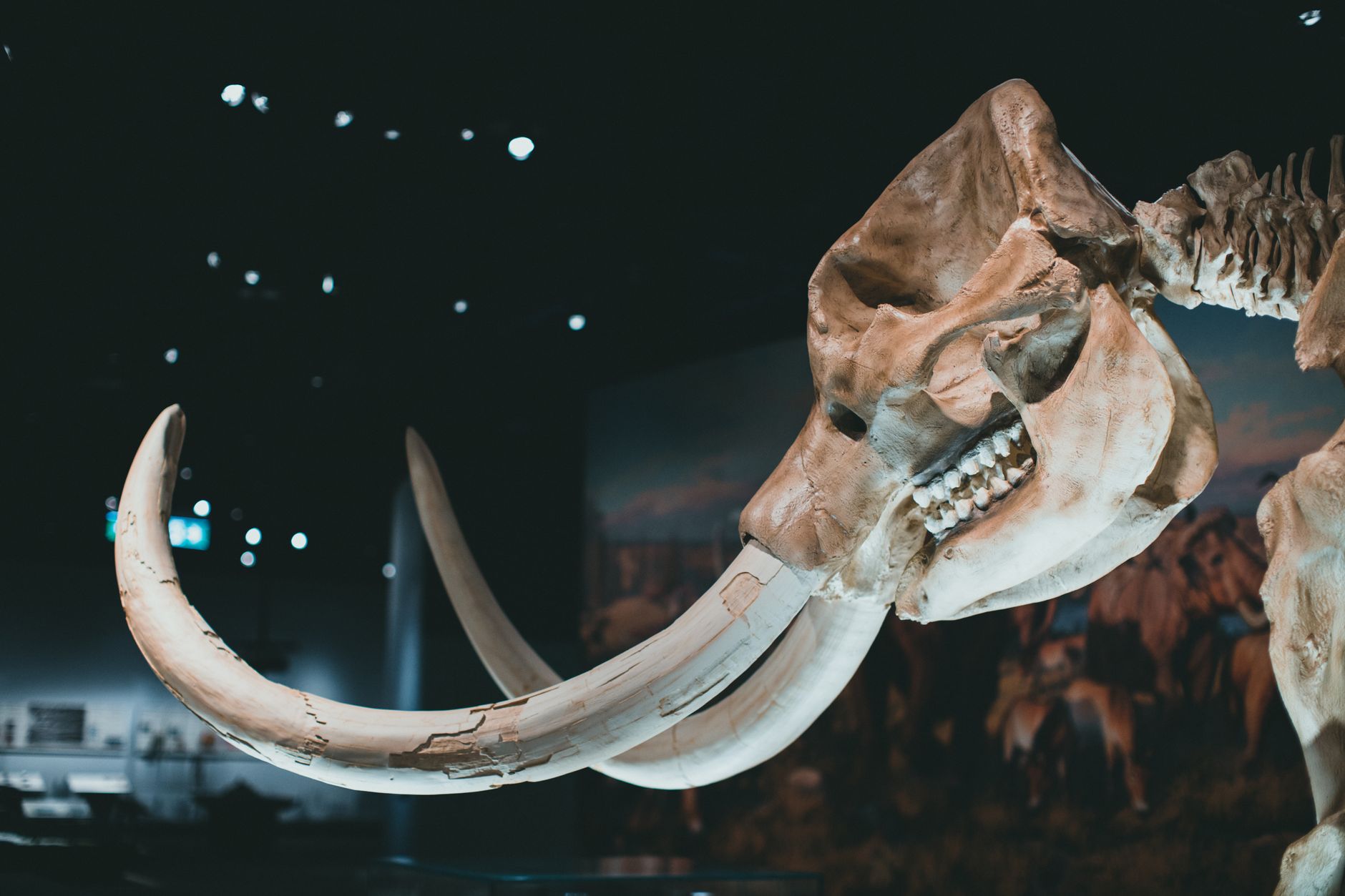
Scientists at Dallas‑based Colossal Biosciences are revising the timetable for their long‑standing goal of reviving the extinct woolly mammoth. The company, which has been leveraging artificial intelligence alongside CRISPR gene‑editing tools, now expects the first lab‑grown mammoth embryos to appear in the early 2030s, later than the 2028 target originally projected.
Colossal’s approach relies on extracting DNA from a frozen mammoth carcass discovered in Siberia in 2018 and inserting key genetic sequences into the nucleus of an Asian elephant cell. The aim is to produce a hybrid nucleus that will develop into a true mammoth embryo once implanted in a surrogate mother.
In a 2024 interview with TIME, chief executive Ben Lamm explained the revised outlook, saying, “We are thinking it will be in the early 2030s. We don’t have a hard date. Not 2036, but not 2030 either.” The statement follows an earlier forecast that the company could be nurturing baby woollies in its laboratories within four years of that interview.
Technical hurdles have emerged that are more demanding than the team originally anticipated. While the company successfully de‑extincted the dire wolf in 2025 using a similar workflow, editing the mammoth genome has proven more complex. Initial estimates suggested that swapping roughly 60 elephant genes for mammoth equivalents would be sufficient to convert an elephant nucleus into a mammoth nucleus. Current calculations now indicate that more than 150 genes will need to be edited to achieve the desired phenotype.
Revised Timeline and Technical Hurdles
The expansion from 60 to over 150 target genes reflects a deeper understanding of the genetic differences that give the woolly mammoth its distinctive traits, such as its large, shaggy hair and massive ears. Researchers have identified specific genes that regulate ear size, a characteristic that helps the animal dissipate heat in cold environments. The broader set of edits also encompasses genes linked to hair texture, fat metabolism, and cold‑adaptation mechanisms.
Colossal’s scientists are employing AI algorithms to prioritize which genetic edits will have the greatest impact on recreating authentic mammoth features. The artificial‑intelligence platforms analyze comparative genomic data from modern elephants and the fragmented mammoth DNA to model potential outcomes of each edit, thereby streamlining the CRISPR design process.
Progress and Parallel De‑Extinction Efforts
Despite the setbacks, the company reports notable milestones. It has successfully produced a line of 38 “woolly mice” that express mammoth‑derived genes responsible for shaggy hair, demonstrating that the mammoth genetic code can be functionally expressed in a living organism. These mice serve as a proof‑of‑concept for larger‑scale applications in the mammoth project.
Colossal is also applying the same AI‑driven CRISPR workflow to other extinct species, including the flightless dodo bird, the Tasmanian tiger (thylacine), and the moa—a large, flightless bird once native to New Zealand. The parallel projects provide additional data points that inform the mammoth effort, especially regarding the efficiency of multi‑gene editing and the use of surrogate species for embryo development.
While the path to a living woolly mammoth remains longer than originally promised, Colossal Biosciences’ integration of artificial intelligence with cutting‑edge gene‑editing technology continues to push the boundaries of de‑extinction science. The company’s updated timeline underscores the inherent complexity of reconstructing an organism that disappeared 4,000 years ago, but also highlights incremental successes that keep the prospect alive.

Steve Lopez is a Senior Editorial Columnist and Health & Public Policy reporter for News Raise. Steve focuses on healthcare advancements, medical technologies, and public health policies.