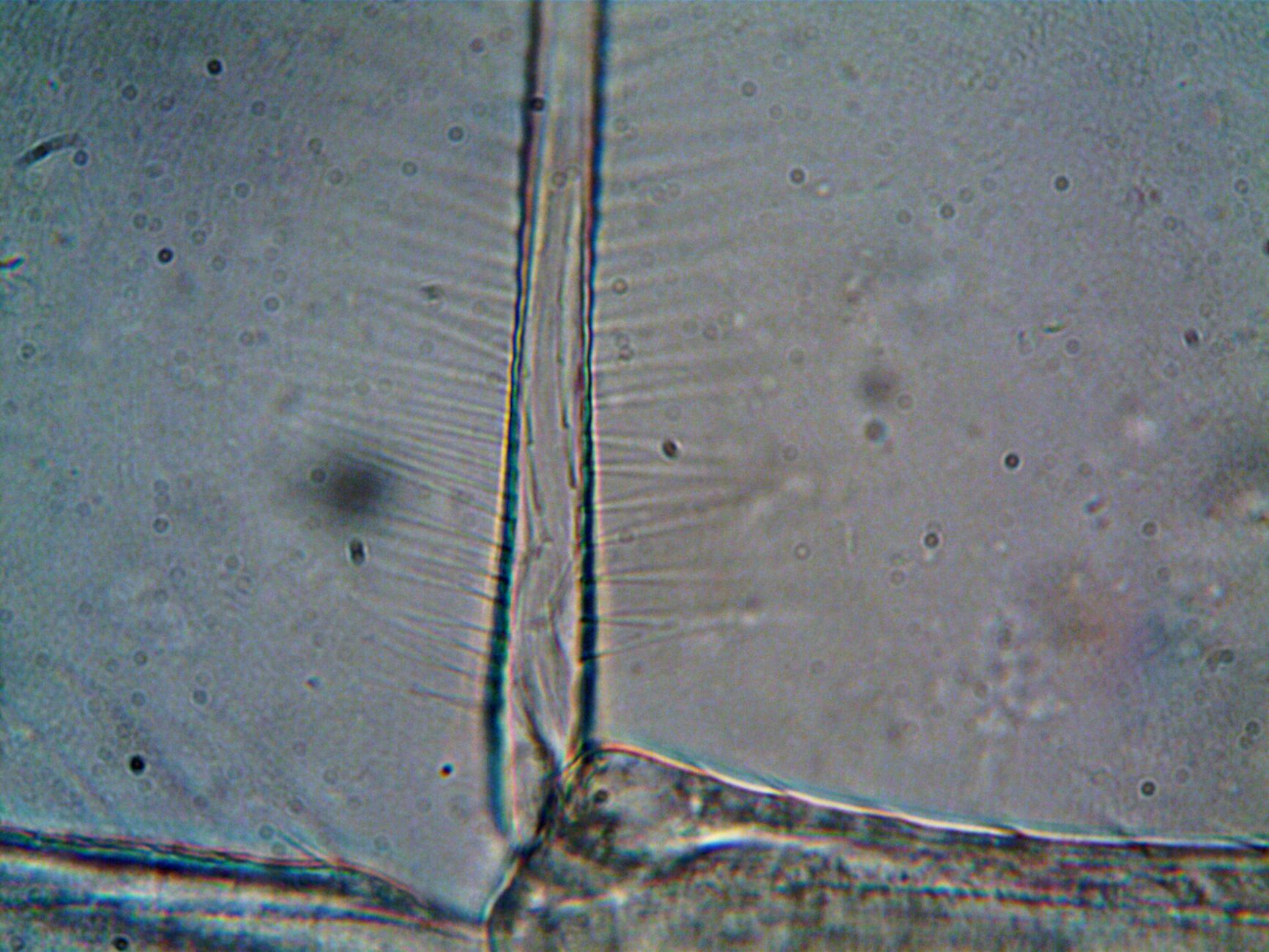
Nikon’s annual Small World In Motion competition, which showcases photographs and videos captured with high‑resolution microscopes, has entered its fifteenth year amid a controversy surrounding the 2026 winning entry. The short video submitted by Dr. Ning Xu, a researcher at Tsinghua University in China, depicts what the entrant describes as hair‑like cilia moving within the airways of a child suffering from a rare disease. While the piece was initially celebrated, a wave of criticism from fellow scientists has prompted Nikon to reopen its evaluation of the work.
Contest background
Since its inception, the Small World In Motion contest has invited researchers to submit microscopic imagery that blends scientific insight with artistic presentation. The competition permits post‑processing techniques such as artificial colourisation, a common practice achieved through manual staining or dyeing of specimens. Over the past 15 years, the contest has grown into a prestigious platform for visualising the unseen world of cells and microorganisms.
Winning video and claims
Dr. Xu’s entry was selected as the winner, receiving a cash prize of $3,000 (£2,250). In an online statement, Xu denied any breach of contest rules, asserting, “AI was not used to generate the experimental movie, the cilia, or their motion.” He acknowledged that artificial intelligence was employed “to distinguish and visualize features in the reconstructed grayscale images,” but maintained that the core footage remained a genuine microscope capture. The video is brightly coloured, a stylistic choice allowed by the competition and typically achieved through manual labelling rather than digital enhancement.
Scientific community backlash
Several researchers have challenged the authenticity of the winning video. Edward Phelps, an associate professor at Florida University, observed on Nikon’s social media that parts of the structures appear to “pop in and out of existence” and that the cilia seemingly “appear from nowhere.” Ian Donovan, a PhD student at UT Southwestern Medical Centre, noted a distinctive watermark on the source image that he believes indicates AI generation. Two former judges of the competition have also expressed doubts about whether the footage represents a real microscopic observation.
The criticisms focus on visual anomalies that, according to the challengers, do not align with known cellular morphology or the expected size of cilia. The alleged inconsistencies have raised concerns that the video may have been altered beyond permissible post‑processing, potentially violating the contest’s explicit rule prohibiting the use of generative AI to produce content.
Nikon’s response and next steps
Nikon confirmed that Dr. Xu is “respectfully complying” with an ongoing investigation and has supplied additional technical documentation for review. In a statement, the company said, “At this time, we don’t see that any rules were violated,” but indicated that an update will be provided soon.
Dr. Patrick Hickey, who placed fifth in the 2026 contest, emphasised the importance of fairness, noting that the prize represents more than monetary reward; it offers scientists a platform to share their work with the public. He reiterated the contest’s rule that generative AI cannot be used to create images and that all submissions must be captured through a microscope.
The unfolding dispute highlights the growing tension between emerging AI tools and traditional scientific imaging standards. As the investigation proceeds, the outcome may shape future guidelines for how AI‑assisted visualisation is permitted in scientific photography contests.

Steve Lopez is a Senior Editorial Columnist and Health & Public Policy reporter for News Raise. Steve focuses on healthcare advancements, medical technologies, and public health policies.