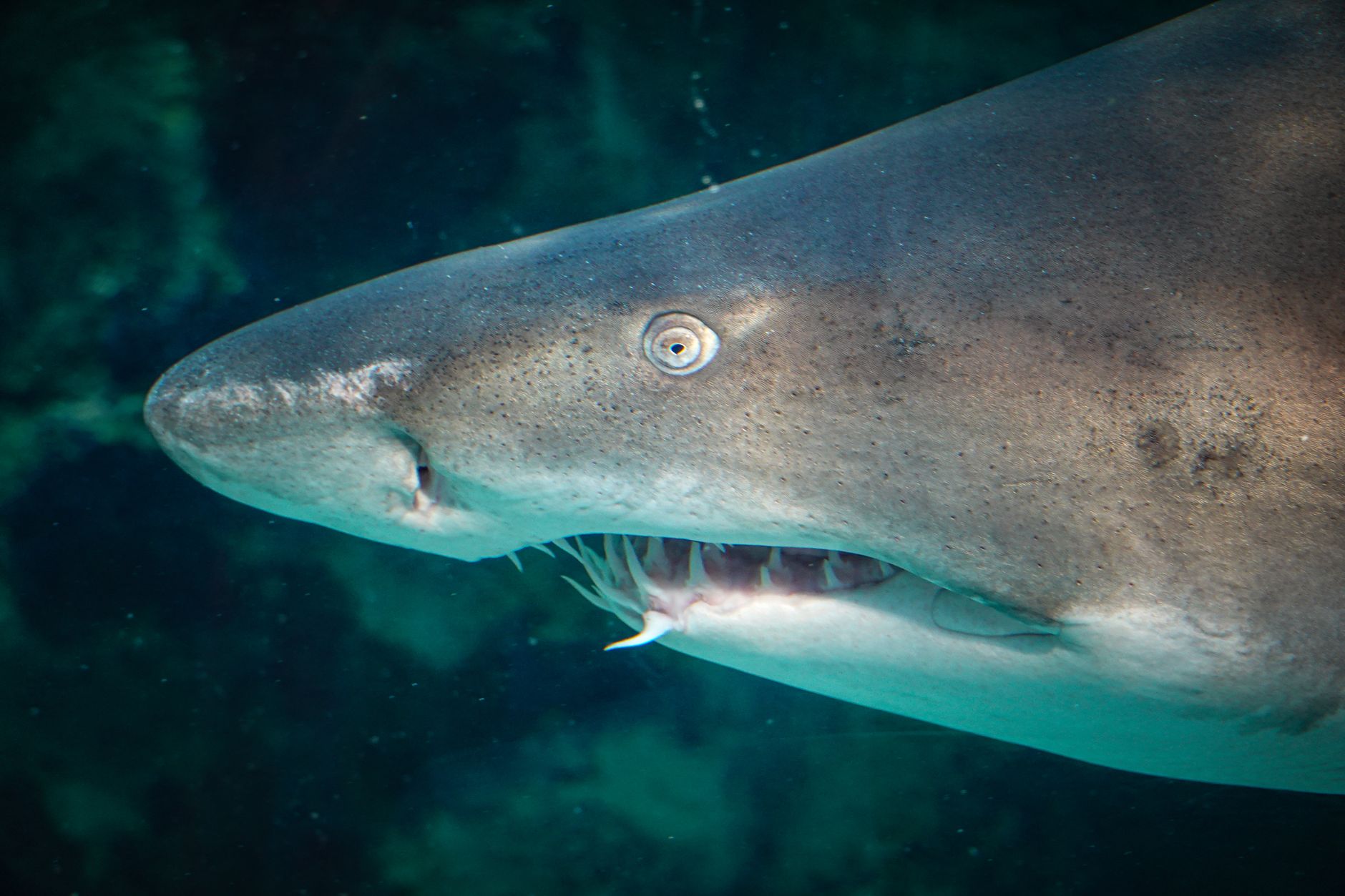
Great white sharks are appearing more frequently in Canada’s Atlantic waters, with researchers noting a marked increase over the past decade. A nearly 14‑foot (4.2 m) male, nicknamed “Contender,” was observed off Nova Scotia this summer after a seasonal migration from Florida, highlighting the northward shift of the species.
Rising sightings and possible causes
Scientists attribute the trend to a combination of environmental and ecological factors. Surface waters off Nova Scotia have warmed by about 1.5 °C (2.7 °F) and seafloor temperatures by roughly 3 °C (5.4 °F) over the last 30 years, creating more suitable conditions for a species that prefers cooler, yet not frigid, water.
Seal populations, a primary prey item for great whites, have rebounded along the U.S. and Canadian coasts, partly because climate‑induced warming has pushed fish species farther north, supporting larger seal numbers. More seals mean more food for the sharks, encouraging them to explore the colder, deeper waters of Atlantic Canada.
Human activity has also risen. Nova Scotia’s population recently passed one million, with Halifax alone housing about 400,000 residents. Dive participation has grown from a few dozen regular scuba divers in 2020 to several hundred today, increasing the likelihood of sightings.
Human‑shark interactions
With more people in the water, encounters have become more common. In September, a diver was attacked off Quebec’s Gaspé Coast; the injuries were not life‑threatening but prompted local dive operators to cancel outings. Earlier in the summer, a diver’s fins were “bumped” by a great white that approached out of curiosity, a behavior researchers say can stem from sharks mistaking splashing humans for seals.
Local dive instructor and ocean‑science educator Alanna Canaran described a recent incident at Birchie Head near St Margaret’s Bay, where a diver looked up to see a great white swimming just above her. The diver and companion quickly descended to the bottom and exited the water from a cliff side, shaken but unharmed.
Canaran emphasizes that while attacks are “very, very, very unlikely,” the rising number of sightings means divers should remain mindful. She also notes that Indigenous Mi’kmaq peoples historically coexisted with great whites, using spruce roots and sea‑grass tied to boats to deter the sharks.
Research and future outlook
Shark scientist Neil Hammerschlag, who runs a cage‑diving operation, reports that last year he identified 120 distinct great whites over 55 days of observation. Most individuals—about 80 %—were seen only once, suggesting many sharks are transient visitors. A small subset was encountered repeatedly; two sharks appeared in roughly 30 % of expeditions.
Hammerschlag does not believe the overall population has expanded dramatically, but rather that individual sharks are visiting Atlantic Canada earlier and more often than before. He points to the region’s “healthy marine ecosystem” with abundant seals and tunas as a strong attractor.
Both Canaran and Hammerschlag advise against fear but recommend caution. The relatively chilly waters limit how long swimmers stay submerged, and great whites cannot operate in water only a few feet deep. Maintaining awareness, they argue, benefits both human safety and shark conservation.

Steve Lopez is a Senior Editorial Columnist and Health & Public Policy reporter for News Raise. Steve focuses on healthcare advancements, medical technologies, and public health policies.