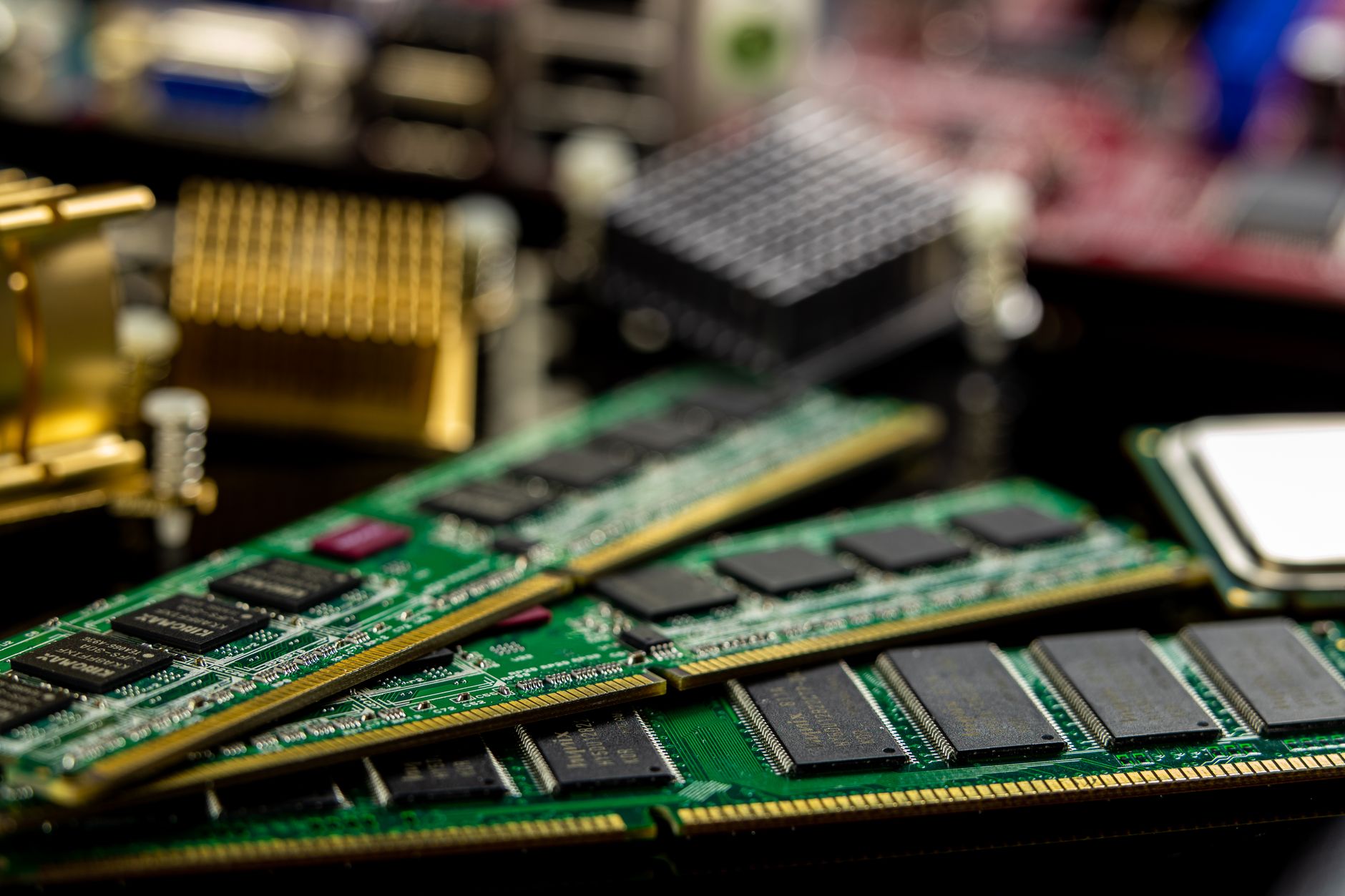
Amid a prolonged shortage of dynamic random‑access memory (RAM) and sharply rising prices for the newest DDR5 modules, both Intel and AMD are preparing new processors that will support the decade‑old DDR4 standard. The move offers PC builders a lower‑cost alternative to the premium memory that has become increasingly difficult to obtain.
Intel revives dual‑memory support
Gigabyte disclosed on Friday that two of its motherboard families will accommodate “upcoming” Intel processors built on the LGA 1700 socket. The LGA 1700 platform debuted in 2021 with the 12th‑generation Alder Lake CPUs and was notable for accepting both DDR4 and DDR5 memory. In 2024 Intel shifted the same socket to a DDR5‑only configuration, effectively ending DDR4 compatibility for new builds. Gigabyte’s announcement indicates that Intel is now planning to re‑introduce dual‑format support, with new LGA 1700 chips slated for launch in early 2027. Intel did not respond to a request for comment.
AMD follows with AM4‑DDR4 refresh
AMD is pursuing a comparable strategy. In August, Gigabyte announced a fresh series of motherboards for the company’s previous‑generation AM4 platform, which already supports DDR4 memory. The timing aligns with the 10th‑anniversary relaunch of the Ryzen 7 5800X3D CPU, a processor that remains DDR4‑compatible. By pairing the refreshed AM4 boards with the anniversary chip, AMD gives users an option to upgrade CPU performance without the expense of moving to DDR5‑only platforms.
Price pressure drives the shift
DDR4 first entered the market in 2014 and was later superseded by the faster DDR5 standard. Under normal market conditions, investing in a generation of memory that is more than ten years old would be considered inefficient. However, the current RAM shortage has altered that calculus. The author of the source material reported a direct price comparison while searching for a replacement kit after a DDR4 module failed: a 32‑gigabyte Corsair Vengeance DDR5 kit was priced at $620, whereas an equivalent DDR4 kit cost $260. Although the DDR4 price is higher than typical mid‑2025 levels, it is still less than half the cost of the DDR5 option.
DDR5 does provide tangible benefits, including higher data transfer speeds and improved power efficiency, but those advantages may be outweighed by the steep price premium in the short term. Industry observers suggest that DDR5 prices could remain elevated for several years, making the revived DDR4 support a pragmatic choice for cost‑conscious consumers.
The re‑introduction of older sockets and chipsets signals that manufacturers are acknowledging the market reality: many users prefer to retain existing DDR4 modules rather than face the financial burden of a full DDR5 upgrade. As the shortage persists, the option to stick with DDR4 could extend the useful life of older hardware and provide a more affordable path for performance upgrades.

Norman Pearlstine is the Executive Editor and Co-Founder at News Raise. With over two decades of experience across financial journalism, corporate governance, and market analysis, Norman leads the editorial direction and ensures strict adherence to journalistic accuracy and ethics.