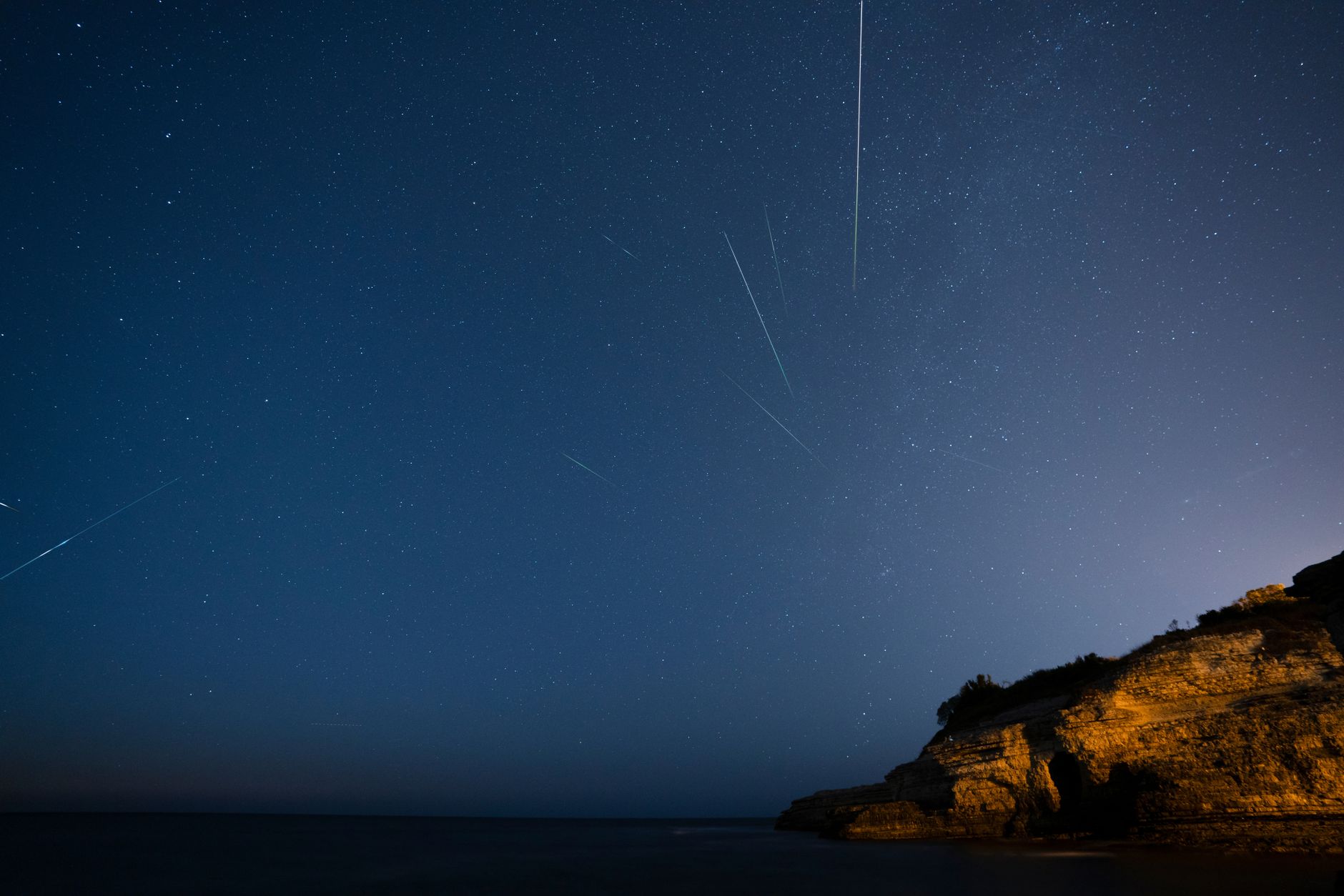
The Orionid meteor shower will reach its maximum intensity on the night of Wednesday, Oct. 21, extending into the early hours of Thursday, Oct. 22. Observers are advised to look for the display from midnight through dawn, when the meteors are most visible. While many regions of the United States are forecast to enjoy clear skies, several areas face cloud cover, rain or lingering storm systems that could diminish the show.
Peak characteristics of the Orionids
Orionid meteors are noted for their brightness and high velocity, traveling at roughly 41 miles per second as they blaze across the sky. The fast-moving particles often leave a glowing “train” that can linger for several seconds to a few minutes, creating a striking visual effect for those watching from dark sites.
Regional weather outlook
According to the forecast, much of the central and eastern United States should experience clear conditions in the early morning hours of Thursday, offering optimal viewing for skywatchers in those zones. However, several regions face potential obstacles:
Rockies and Southwest – The Four Corners area, home to several dark‑sky parks, is expected to see thicker cloud cover that could obstruct the meteors.
West Coast – Parts of California, Oregon and Washington may encounter cloudiness, though isolated pockets of clear sky could still allow observation. Viewers should monitor local updates closely.
East Coast – While the mid‑Atlantic and Northeast appear clear for now, a developing nor’easter off the coast could bring clouds inland later in the week. The most significant cloud risk is projected from New York City northward into New England.
In addition to clouds, rain and storms are expected to move into the western U.S. as tropical moisture is funneled into the region. Flooding concerns on Wednesday and Thursday could make skywatching impractical in parts of California, Nevada and the Four Corners.
Tips for a successful Orionid viewing night
For those whose local forecast remains favorable, experts recommend the following practices to maximize the experience:
- Choose a site far from city lights and other sources of light pollution.
- Bring a blanket, sleeping bag, or lawn chair for comfort.
- Lie flat on your back with feet pointing southeast to track the radiant.
- Allow at least 30 minutes for your eyes to adapt to darkness.
- Remain patient; the meteor shower can provide an extended, hours‑long display.
The Orionid shower, known for its swift and luminous meteors, offers one of the year’s most compelling night‑sky events. By checking regional forecasts and following basic stargazing practices, enthusiasts can increase their chances of witnessing the celestial fireworks, even as weather patterns vary across the country.

Norman Pearlstine is the Executive Editor and Co-Founder at News Raise. With over two decades of experience across financial journalism, corporate governance, and market analysis, Norman leads the editorial direction and ensures strict adherence to journalistic accuracy and ethics.