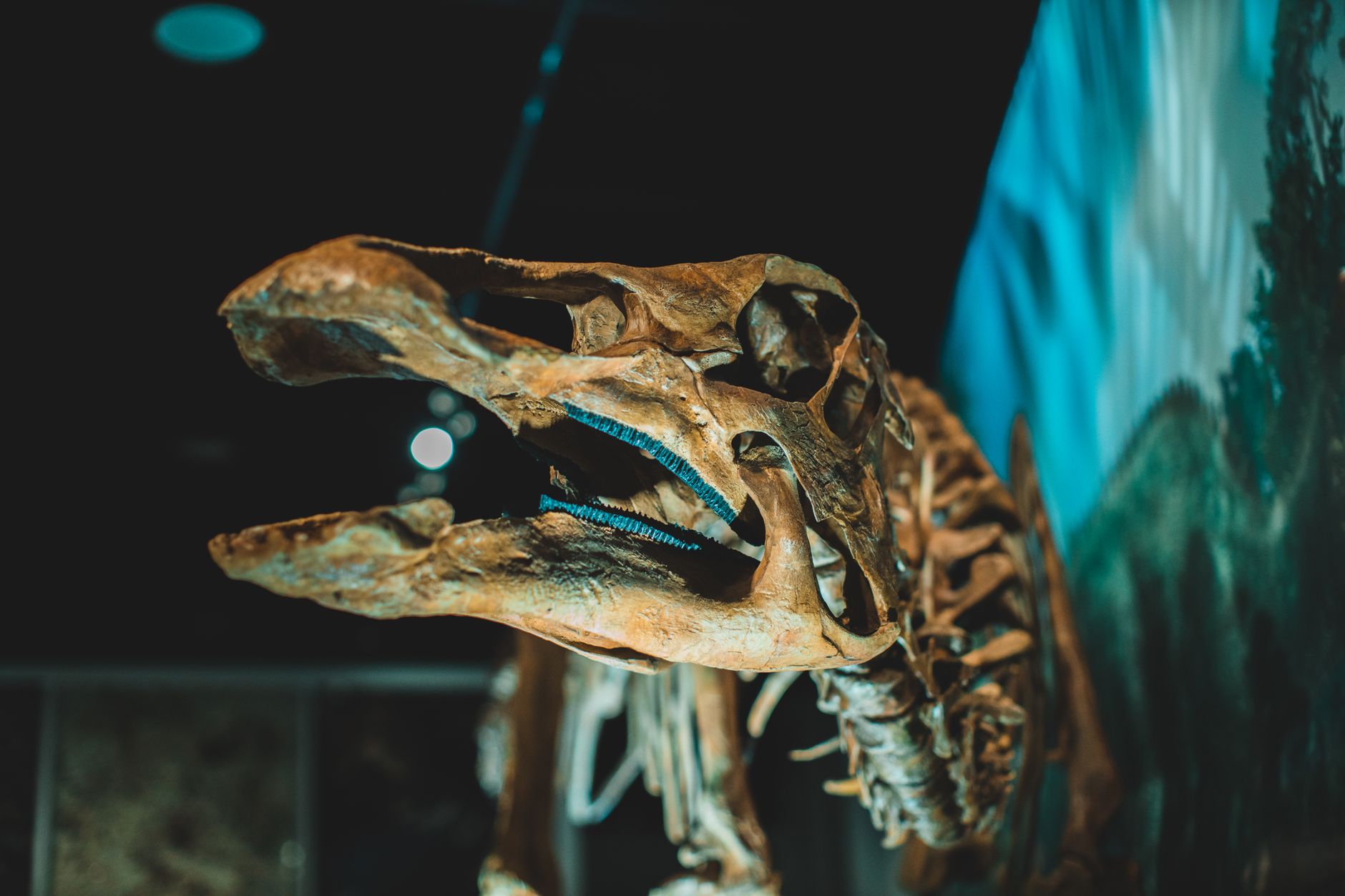
A mounted skeleton of the recently recognized dinosaur genus Nanotyrannus, nicknamed Jodi, changed hands for $47.3 million (£35.5 million) at a Sotheby’s auction in New York on Tuesday. The 10‑foot‑tall (3 m) specimen, described by the auction house as “exhibition‑ready” and comprising about 191 fossil‑bone elements with a virtually complete skull, became the second‑most valuable dinosaur fossil ever sold, trailing only the Tyrannosaurus rex dubbed Gus, which fetched $50.1 million in July.
Auction Highlights
The sale exceeded the pre‑auction estimate of at least $9 million. Bidding lasted a brisk 12 minutes and involved six interested parties before a winning bidder emerged, though the buyer’s identity was not disclosed. Sotheby’s noted that Jodi is one of only three Nanotyrannus skeletons known to science and the first to enter the market since U.S. researchers confirmed the genus as distinct from T. rex last October.
Scientific Context
Nanotyrannus lived alongside Tyrannosaurus rex approximately 67 million years ago in the Late Cretaceous. The specimen was discovered on a Montana ranch in the Hell Creek Formation by landowner Jodi Pierson and later excavated by commercial paleontologist Clayton Phipps, who is also credited with finding the famed “Dueling Dinosaurs” fossil nearby in 2006. That discovery, featuring a Nanotyrannus locked in combat with a Triceratops, helped researchers Lindsay Zanno and James Napoli publish a paper that formally separated Nanotyrannus from T. rex, ending decades of debate.
Before its reclassification, Jodi was displayed as a juvenile T. rex at London’s Frieze Masters art fair in October 2023. Paleontologist Megan Jacobs of the University of Portsmouth explained on BBC Radio 4 that Nanotyrannus was long thought to be a teenage T. rex, but it is actually smaller, more gracile, and equipped with blade‑like teeth suited for slicing meat.
Controversy Over Private Sales
The auction has reignited a discussion within the scientific community about whether iconic fossils should remain in private hands or be displayed publicly. After the July sale of Gus, paleontologist Steve Brusatte of the University of Edinburgh warned that such high‑price transactions could limit access for researchers and the public. He likened the situation to a scenario where the Mona Lisa is owned privately and hidden from view, describing the Jodi sale as “harrowing” because the specimen might disappear into a collector’s vault instead of inspiring museum visitors.
Jacobs offered a more nuanced view, acknowledging the substantial time, effort, and money required to excavate and prepare such specimens. She said she does not begrudge the sellers for seeking a large return and believes that, despite the “scary prospect,” many fossils eventually find their way into museums where they can be studied and displayed.
The Jodi sale follows a recent pattern of high‑value dinosaur transactions, including the $44.6 million sale of the Stegosaurus Apex in July 2024. Researchers continue to caution that a growing market for rare fossils could reshape collecting practices, potentially prioritizing private ownership over scientific collaboration and public education.

Helene Elliott is the Lead Science & Space Reporter at News Raise. She reports on aerospace missions, astrophysics discoveries, quantum research, and environmental technology.