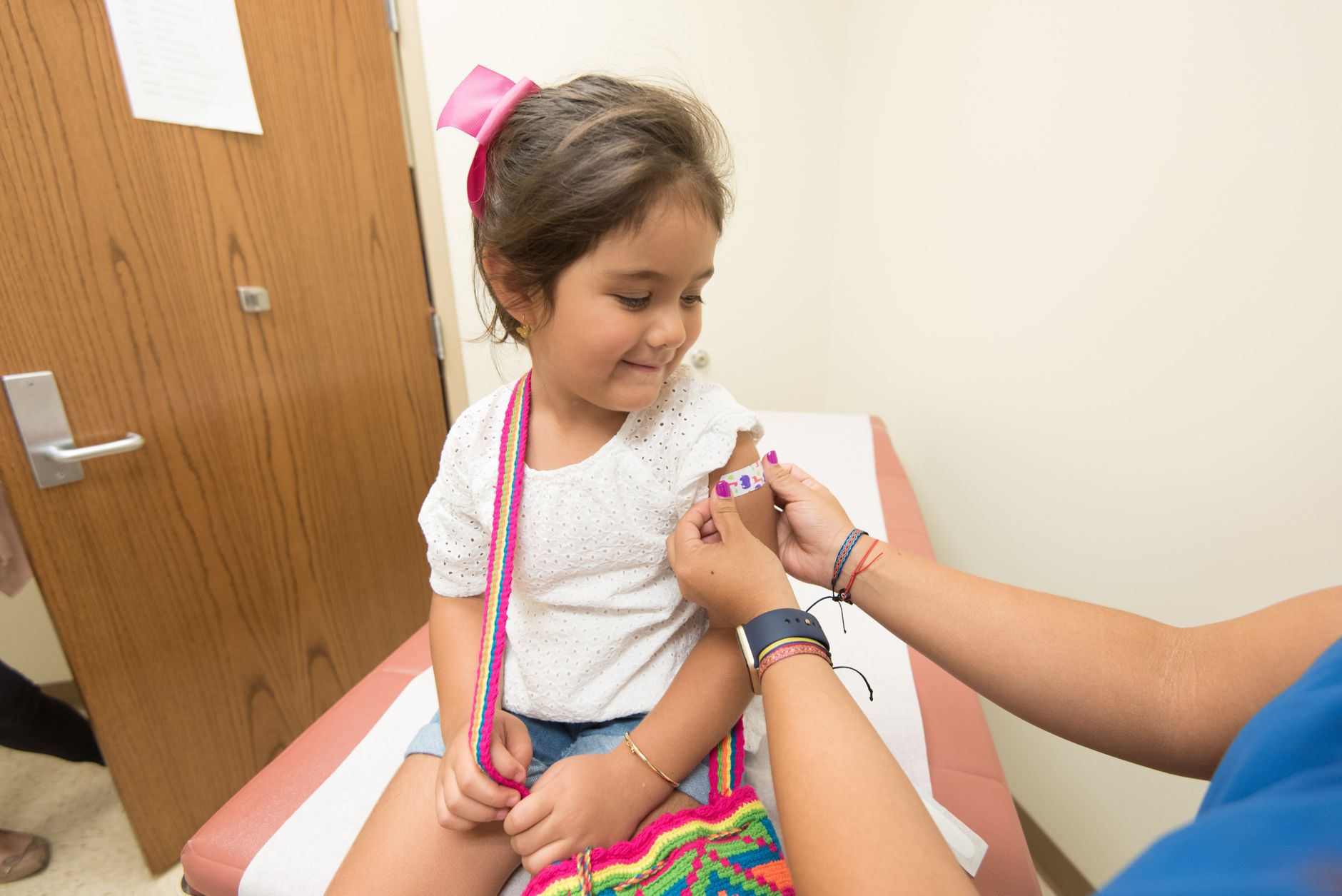
The Florida Department of Health held a public hearing in October 2026 to discuss a proposal that would eliminate four existing vaccine requirements for children attending schools and child‑care facilities. The vaccines under consideration are for Haemophilus influenzae type b (Hib), varicella (chickenpox), pneumococcal disease and hepatitis B.
What the proposal would change
Current state rules require proof of immunization against these diseases before a child can enroll. The suggested amendment would not ban the vaccines themselves, nor would it prevent families from choosing to vaccinate. Instead, it would remove the mandate that makes vaccination a condition of school entry, thereby weakening a key mechanism that helps sustain high coverage rates.
Public‑health officials emphasize that school‑based requirements support herd immunity – the point at which enough people are immunized to keep a disease from spreading easily. When coverage drops, infections can move through susceptible children and endanger infants too young to be fully vaccinated, as well as individuals with medical conditions that limit vaccine response.
Historical impact of the four vaccines
Each of the four diseases once caused substantial illness and death among American children. Hib was the leading cause of bacterial meningitis before the late‑1980s. In the early 1980s, roughly 20,000 invasive Hib infections occurred in children under five, 12,000 of which were meningitis cases. Mortality ranged from 3 % to 6 %, and 15 % to 30 % of survivors suffered permanent neurological damage such as deafness. After conjugate Hib vaccines were introduced, cases among young children fell by 99 %, with only 13 reported in 2023 and 28 in 2026.
Varicella, commonly called chickenpox, generated more than four million cases each year in the early 1990s. Hospitalizations numbered between 10,500 and 13,500, and 100 to 150 deaths were recorded annually, the majority among children. The disease also set the stage for shingles later in life, a painful condition that can cause lasting complications. Since the varicella vaccine became available in 1995, deaths among people under 20 have been virtually eliminated.
Pneumococcal bacteria, which can reside harmlessly in the nose, were responsible for about 17,000 invasive infections in children under five before the 2000 vaccine rollout. Those infections included roughly 700 cases of meningitis and 200 deaths, in addition to an estimated five million ear infections each year.
Hepatitis B, a blood‑borne virus, infected an estimated 20,000 American children annually before the 1982 vaccine. Infants who contract the virus have about a 90 % chance of developing chronic infection, which can progress to cirrhosis or liver cancer. Universal infant vaccination was recommended by the CDC in 1991, and perinatal hepatitis B infections fell by 75 % between 1987 and 2000.
Current vaccination landscape and emerging risks
Florida’s own disease‑tracking records are incomplete; for example, chickenpox was not monitored by the state health department until late 2006. Nonetheless, recent events illustrate the potential consequences of reduced vaccine coverage. Measles, declared eliminated in the United States in 2000, resurfaced in Florida in 2026, infecting at least 62 people at Ave Maria University and prompting a statewide tally of 162 cases as of October 17.
During the 2025‑26 school year, only 88.9 % of Florida kindergarteners received the measles‑mumps‑rubella (MMR) vaccine, below the national average of 92.4 % and short of the 95 % threshold typically cited for herd immunity. The Florida Department of Health also removed county‑level disease data from its website in May 2026, leaving the public without a real‑time measles dashboard and creating delays and inconsistencies in state‑wide counts.
Experts warn that eliminating the school‑entry mandates for Hib, chickenpox, pneumococcal and hepatitis B could reverse decades of progress. While many parents may continue to vaccinate voluntarily, the policy change would remove a proven lever for maintaining the high coverage rates that keep these diseases rare. The potential ripple effect includes renewed outbreaks, increased hospitalizations, and heightened risk for vulnerable children who cannot be vaccinated for medical reasons.
As the hearing proceeds, policymakers will need to balance parental choice with community health, remembering that the low visibility of these diseases today is largely a product of successful vaccination programs.

Mitchell Landsberg is a Senior Technology Correspondent at News Raise. He covers consumer electronics, artificial intelligence, software developments, and digital privacy trends.