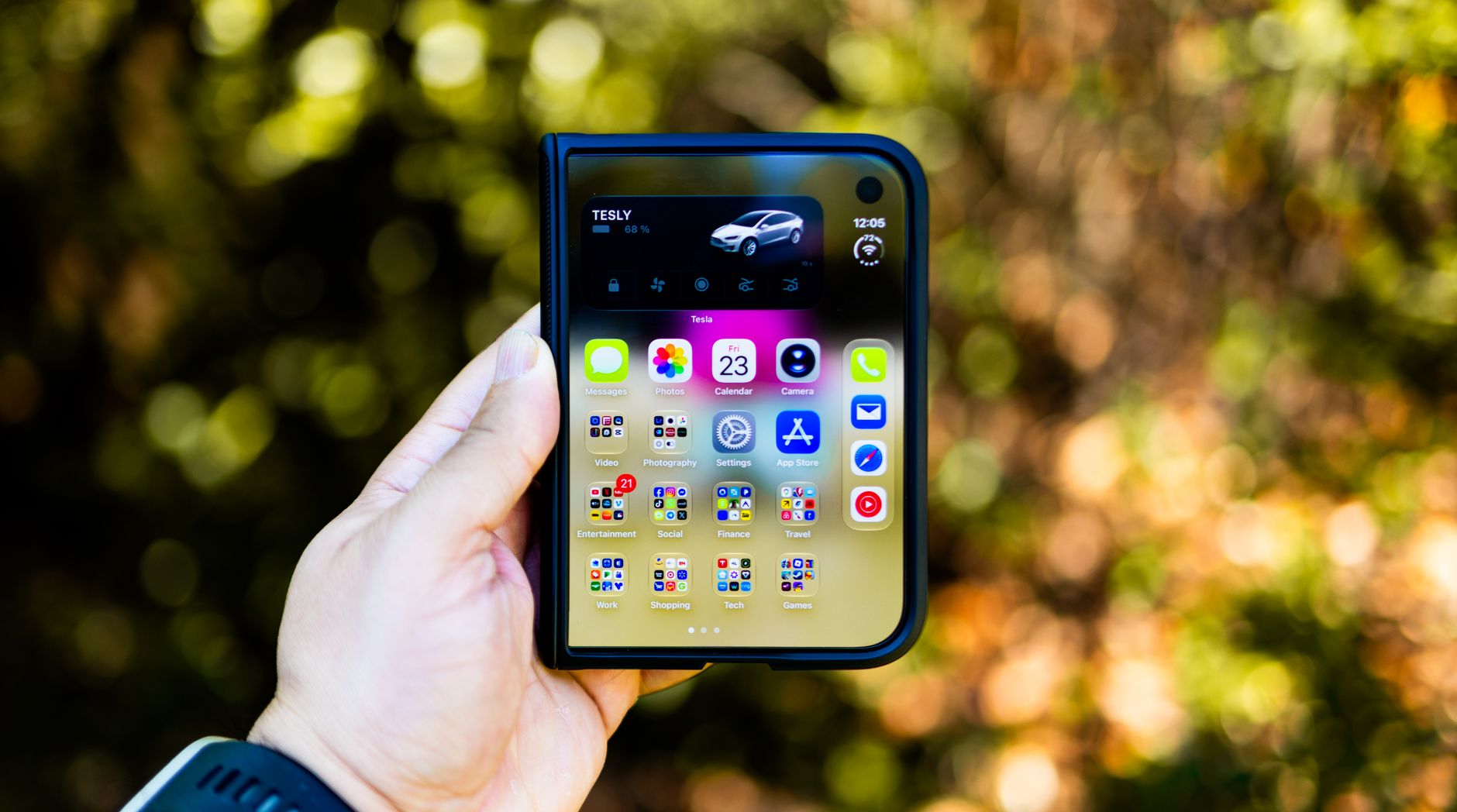
Apple executives told analysts that the company does not know when it will be able to replenish its inventory of the foldable iPhone Duo. The uncertainty was expressed by Sabhi Kahn, Apple’s newly appointed chief operating officer, during a financial results call.
Supply‑demand mismatch stalls Duo rollout
“At this time, it’s really hard to predict when supply and demand will be in balance,” Kahn said. The comment came as Apple reported that the iPhone Duo sold out quickly after its launch toward the end of October. The company has not indicated any production defects, although it previously announced a replacement program for a small number of units that developed cracks along the inside fold.
Strong iPhone sales amid broader component constraints
Apple highlighted that overall iPhone sales are at record levels. In the three months ending 26 September, iPhone revenue rose 17% to $57 billion, a period that excluded Duo sales. Over the past year, Apple said it sold more iPhones globally than ever before. Despite the Duo shortage, the broader iPhone line continues to drive growth.
Apple’s quarterly results also showed a 27% jump in Mac sales, reaching $10.7 billion, another record for the company. Overall corporate revenue grew 15% year‑over‑year to $479 billion. However, iPad revenue fell 10% and wearables, including the Apple Watch and headphones, slipped 7%.
Component shortages and rising costs compound the issue
Kahn attributed the ongoing supply constraints to difficulties securing enough advanced‑node microprocessors. Most of Apple’s chips are fabricated by Taiwan Semiconductor Manufacturing Co. (TSMC). The shortage is expected to persist into next year, affecting iPads and Macs as well as the foldable iPhone.
Apple also faces “unprecedented” cost increases for memory components, which store data on devices. The surge in memory demand is linked to expanding data‑center usage driven by artificial‑intelligence applications such as chatbots from OpenAI and Anthropic. As data‑center capacity tightens, memory prices have risen, prompting Apple to raise prices on most hardware by roughly 20%.
CEO Tim Cook earlier described the spike in data‑center costs as a “thousand‑year flood,” underscoring the scale of the challenge. The company expects the combined effect of chip scarcity and memory price inflation to continue shaping product availability and pricing throughout 2025.
While Apple has not disclosed a specific timeline for additional iPhone Duo shipments, the firm’s statements suggest that the rollout will remain limited until the broader supply‑chain pressures ease. Analysts will be watching the company’s next earnings call for any updates on when the foldable model might re‑enter the market.

Mitchell Landsberg is a Senior Technology Correspondent at News Raise. He covers consumer electronics, artificial intelligence, software developments, and digital privacy trends.