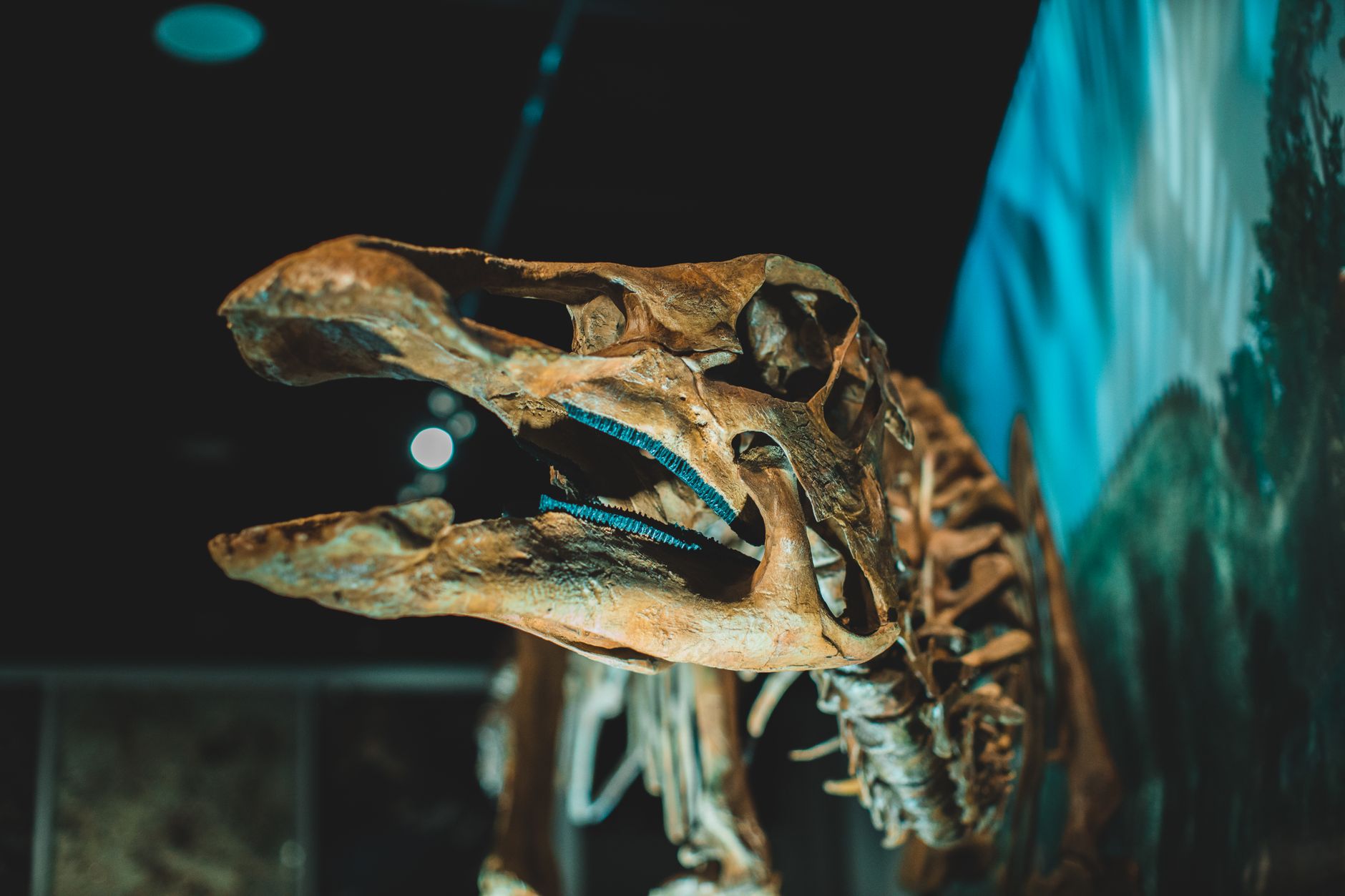
Researchers have identified microscopic structures that resemble red blood cells, along with chemical signatures of heme, inside a 115‑million‑year‑old dinosaur bone. The findings, published Monday in the journal Proceedings of the National Academy of Sciences, represent the strongest evidence yet that cellular components can survive the fossilization process.
Discovery and Methods
The fossil examined is a partial hind‑limb bone of Aratasaurus museunacionali, a theropod that lived in the Early Cretaceous. The specimen was excavated in 2008 from the Mina Pedra Branca site in northeastern Brazil, part of the Romualdo Formation, a locality noted for exceptionally preserved fossils. Within the bone’s vascular canals—tiny tubes that once carried blood vessels and nerves—the research team observed an abundance of oval‑shaped microstructures that visually resemble red blood cells.
Lead author Kliti Grice, an organic geochemist at Curtin University, explained that the study combined advanced microscopic imaging with chemical analyses to assess whether the structures contained signatures consistent with genuine red blood cells. The analyses detected heme, the iron‑containing molecule central to hemoglobin, directly within the microstructures. According to the authors, this is the first instance of in‑situ heme detection in a dinosaur fossil.
Interpretation and Skepticism
While the discovery bolsters the argument that original biological molecules can endure deep time, not all experts are convinced that the observed structures are definitively red blood cells. Mary Schweitzer of North Carolina State University, who was not involved in the study, noted that the shapes and sizes of the structures differ from those of modern birds and crocodilians, and she questioned whether the presence of hausmannite—a manganese oxide mineral found in the bone—supports a red‑blood‑cell interpretation.
Timothy Cleland of the Smithsonian Institution’s Museum Conservation Institute also cautioned that heme and DNA are distinct molecules that fossilize differently, so the presence of heme does not imply DNA preservation. Nevertheless, both Schweitzer and Cleland acknowledged that the multi‑technique approach marks a significant advancement for paleobiology.
Implications and Future Work
Grice emphasized that the study’s importance lies not only in the specific finding but also in the methodological framework it establishes. She suggested that similar approaches could be applied to other fossils to uncover hidden biological information. If comparable evidence emerges from additional specimens, scientists may eventually address sophisticated questions about dinosaur physiology, such as how these extinct animals transported oxygen and how their tissue chemistry compares with that of living organisms.
The researchers propose that the low‑oxygen burial environment of the Romualdo Formation, coupled with the presence of manganese oxides, helped limit organic decay and stabilize the cellular remnants. Grice noted that many museum collections may already hold fossils with unexamined molecular content, underscoring the need for broader surveys.
Looking ahead, the team plans to investigate fossils from a range of species, geological periods, and depositional settings to determine how widespread such molecular preservation might be. While the findings do not yet allow reconstruction of dinosaur DNA, they open new avenues for exploring ancient biomolecules, disease markers, and evolutionary processes preserved over millions of years.

Steve Lopez is a Senior Editorial Columnist and Health & Public Policy reporter for News Raise. Steve focuses on healthcare advancements, medical technologies, and public health policies.