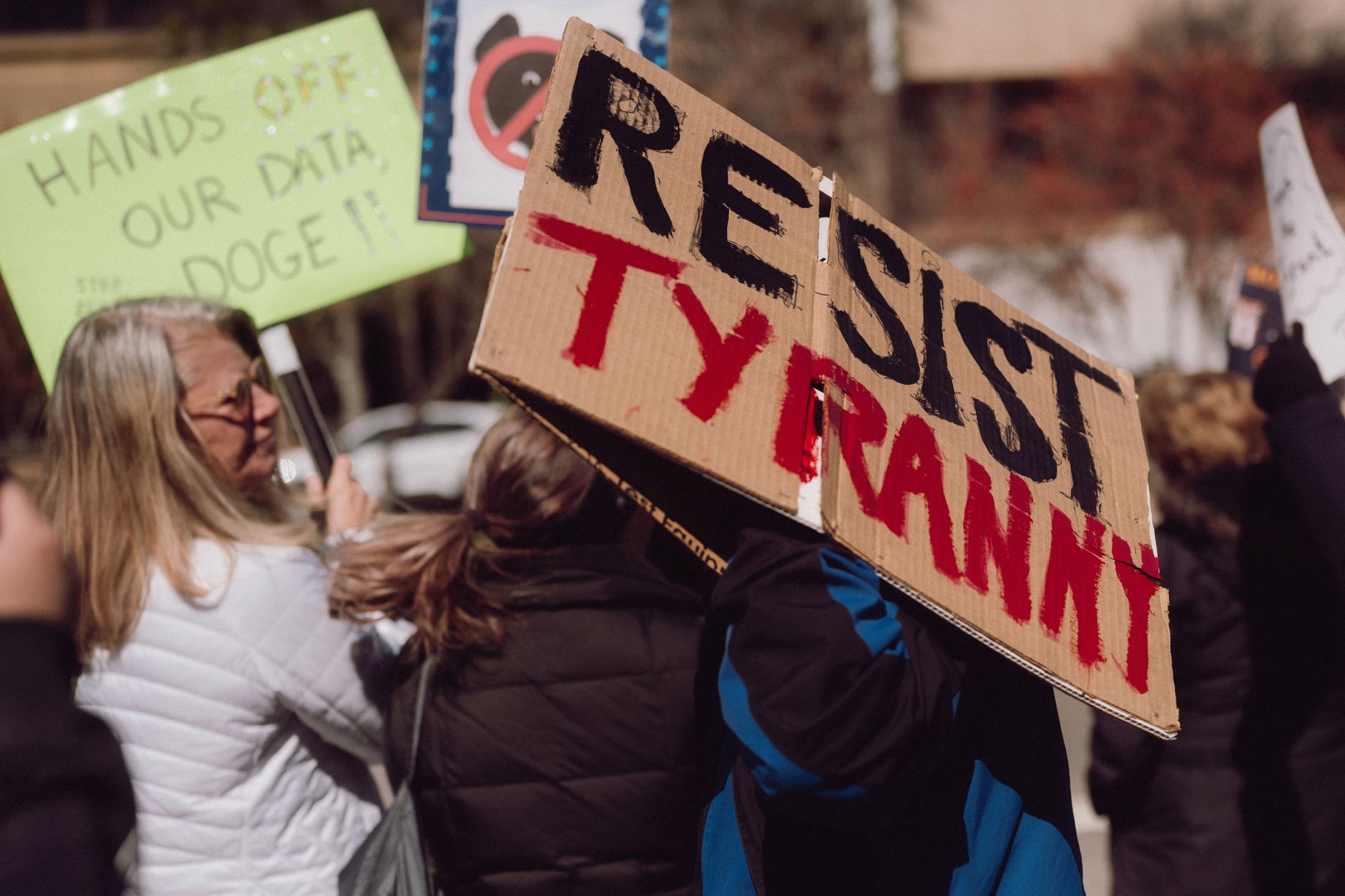
Voters across the United States turned sharply against data‑center development in last night’s midterm elections. Ballot proposals that would have allowed new data‑center projects appeared in more than 40 contests in 13 states, and voters rejected them in 38 of those races. Six municipalities voted to ban data centers outright, while another 12 imposed limits on the amount of megawatts such facilities could draw.
High‑profile defeats signal a broader trend
The most visible loss was in Texas, where incumbent Governor Gregg Abbott was denied a fourth term. Abbott had positioned Texas as a “data‑center‑friendly” hub, citing more than 300 operating facilities and plans to double that number. In a 2025 press conference with Google CEO Sundar Pichai, Abbott called Texas the “epicenter of AI development” and pledged to keep America at the forefront of the AI revolution. He also accepted more than $9 million from donors linked to data‑center interests.
When public sentiment shifted, Abbott announced a “pause” on new data‑center projects, but regulators continued to approve permits. The state’s permitting portal was only taken offline after a report by 404 Media. Abbott’s stance on data centers became a focal point of his opponent’s campaign. Democratic governor‑elect Gina Hinojosa highlighted Abbott’s policies in television and online ads, and Abbott ultimately lost by over 700,000 votes.
Other pro‑data‑center candidates faced similar outcomes. In Burgin, Kentucky, mayoral candidate George Hensley, who had voted to approve a hyperscale data‑center project, was defeated by a write‑in candidate, Joe MonroeTK, despite Hensley being the sole name on the ballot. In Emporia, Kansas, voters passed a ban on “high‑impact” data centers after a city meeting incident in which a school teacher was arrested for clapping. In Yukon, Oklahoma, the mayor was recalled after supporting a hyperscale data‑center development.
Local officials and advocacy groups cite community costs
Michael Whitesides, deputy communications director for the advocacy network Local Progress, said the midterms sent a clear message that voters do not want data centers in their neighborhoods. He warned that “big tech will continue its typical playbook of trying to buy and bully local officials,” but added that the election results demonstrate community backing for officials who resist such pressure.
Local Progress, a network of elected officials focused on local issues, noted that anti‑data‑center candidates won statewide races across the country. The organization pointed to recent mayoral victories by Kim Rooney in Asheville, North Carolina, and Amanda Rodrigues in San Marcos, Texas, both of whom ran on platforms opposing data‑center expansion.
Critics of data‑center projects argue that the facilities raise local power bills, consume large volumes of water, and contribute to higher utility costs while serving distant AI operations. They describe the centers as “billionaire‑backed monstrosities” that “poison the air” and increase community expenses.
Tech billionaire Elon Musk reacts to the outcome
Elon Musk, who spent roughly half a billion dollars on the midterms—including $224 million in Texas—also suffered a defeat. Musk, a resident of Texas and a vocal proponent of expanding data‑center capacity in the state, broke his posting silence after 1 a.m. to tweet, “Data centers in space looking pretty appealing right now.” The comment suggests a shift in focus after the electorate’s rejection of land‑based facilities.
Overall, the midterm results reflect a nationwide pushback against data‑center projects that voters associate with rising costs and environmental concerns. With incumbents and pro‑development candidates ousted in multiple states, the next legislative cycles are likely to see tighter scrutiny of data‑center proposals and renewed debate over how AI infrastructure should be sited and financed.

Helene Elliott is the Lead Science & Space Reporter at News Raise. She reports on aerospace missions, astrophysics discoveries, quantum research, and environmental technology.