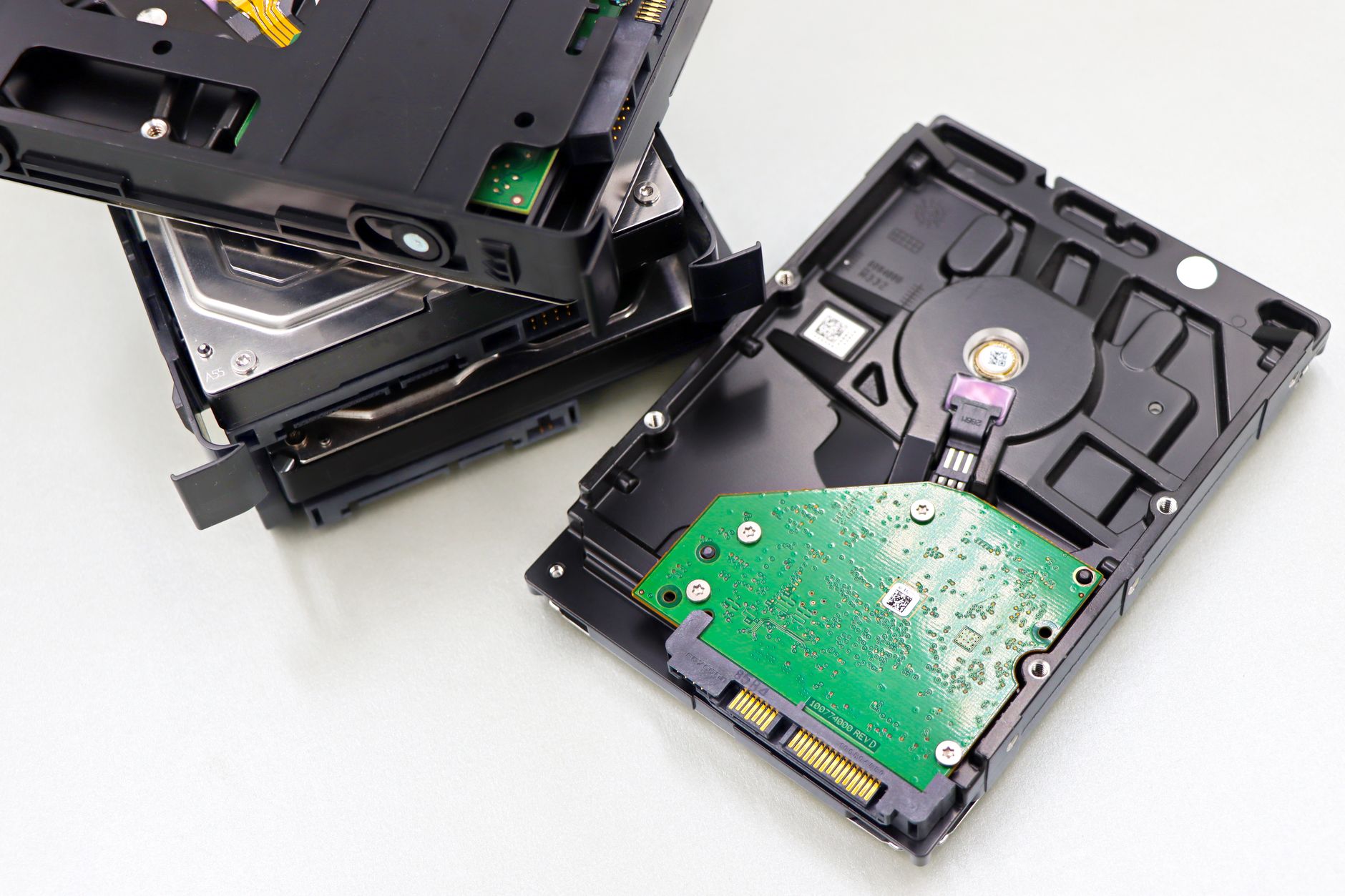
Seagate announced on Tuesday the debut of its FireCuda Forge line, a hybrid storage solution that merges the large capacity of a traditional hard‑disk drive (HDD) with the speed of a solid‑state drive (SSD). The product marks the company’s first storage offering powered and managed by its new Alkemi intelligent storage platform.
Hybrid design and performance specifications
The FireCuda Forge is sold as a bare HDD unit, available in two capacities through Seagate’s web store: an 8‑terabyte model priced at $699 and a 20‑terabyte model at $899. Neither configuration includes the SSD component; buyers must provide a compatible solid‑state drive to complete the hybrid setup.
Seagate specifies that the system works with M.2 2280 NVMe drives that meet PCIe Gen3 or higher standards. The maximum supported NVMe capacity is 1 TB, meaning the “fast side” of the hybrid configuration can hold up to a terabyte of SSD storage. The SSD must achieve minimum sequential performance of 2,400 MB/s read and 2,000 MB/s write, and a model equipped with a DRAM cache is recommended for optimal results.
According to the manufacturer, the combined HDD‑SSD system can deliver read speeds of up to 2,500 MB/s and write speeds of 2,000 MB/s. Connectivity is provided via USB4, and the drives are compatible with Windows 11 as well as macOS 26+.
Pricing and market context
The launch arrives at a time when storage pricing per terabyte has risen sharply. Data compiled by Tom’s Hardware indicates that many solid‑state drives now cost two to three times their historic lows, a trend driven largely by the surge in artificial‑intelligence workloads. Mechanical drives have not been immune; PCServerParts reported that a Seagate Exos 24‑TB drive sold for $298.99 in the summer of 2025 but was listed at $699.99 by August 2026.
By offering a high‑capacity HDD paired with a user‑chosen SSD, Seagate appears to be targeting consumers who need large storage volumes without paying premium prices for all‑flash solutions. The pricing of the FireCuda Forge HDDs—$699 for 8 TB and $899 for 20 TB—places them below the cost of many comparable all‑SSD offerings, though the total outlay will increase once a qualifying NVMe SSD is added.
Consumer considerations
Prospective buyers must evaluate both the upfront cost of the HDD and the additional expense of a compatible SSD. The requirement for a PCIe Gen3‑or‑higher NVMe drive with at least 2,400 MB/s read performance narrows the pool of suitable SSDs, potentially steering users toward higher‑end models that already command premium prices.
Nevertheless, the hybrid approach may appeal to professionals and enthusiasts who need massive storage for data‑intensive tasks—such as video editing, large‑scale backups, or AI model training—while still demanding fast access times for frequently used files. The integration of the Alkemi platform suggests that Seagate intends to provide intelligent caching and management features, though the company’s announcement did not detail specific software capabilities.
As storage costs continue to climb, the FireCuda Forge hybrid drives represent Seagate’s effort to balance capacity, performance, and price. Whether the market embraces the “bring‑your‑own‑SSD” model will depend on how quickly consumers can source compatible NVMe drives that meet the stipulated speed thresholds without eroding the cost advantage of the hybrid configuration.

Steve Lopez is a Senior Editorial Columnist and Health & Public Policy reporter for News Raise. Steve focuses on healthcare advancements, medical technologies, and public health policies.