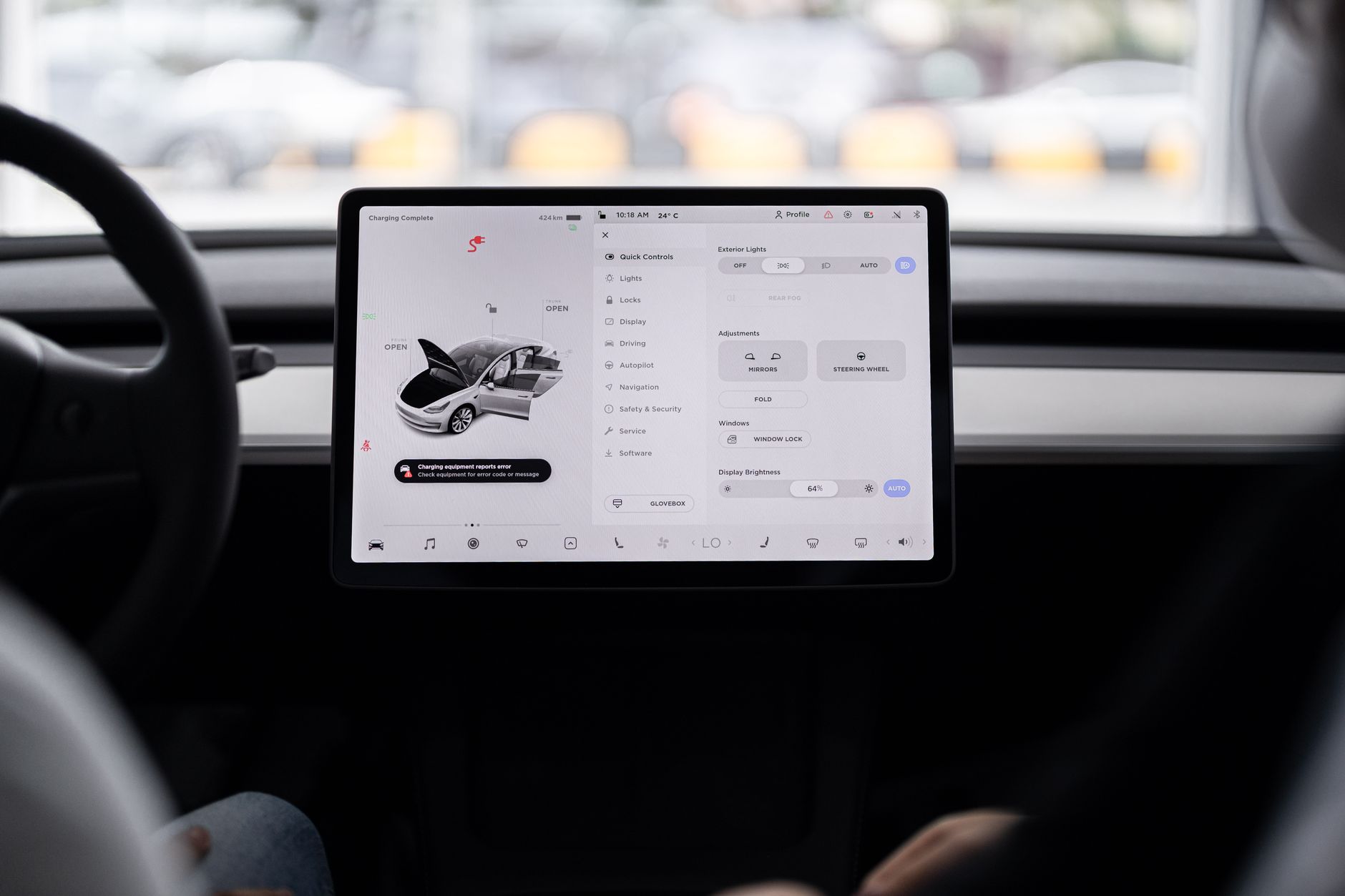
Google announced that its Gemini Intelligence artificial‑intelligence system will be made available in Android Auto, but only for qualifying Pixel smartphones. The move widens the reach of the feature beyond the Pixel 11 series to include the Pixel 10, the forthcoming Motorola Signature 27, and several of Samsung’s foldable and flagship Galaxy models.
Gemini Intelligence expands to more devices
While Google often releases its most advanced capabilities to a broader set of Android manufacturers, some functions remain exclusive to Pixel devices or debut there first. Gemini Intelligence follows that pattern: the AI‑driven assistant will appear in Android Auto for Pixel owners who have the feature enabled, while other Android phones will continue to rely on a more limited version called Personal Intelligence.
The company’s official blog post explains that Pixel users with Gemini Intelligence can expect the system to pull relevant details from their installed apps and display them on the car’s infotainment screen. As an illustration, if a user receives a text asking for the location of a Pilates class, Gemini can locate the confirmation email in the user’s inbox and present a one‑tap option to share the information.
How Gemini works in Android Auto
According to the information provided, the AI assistant can combine data from messages, emails, calendar entries, and other on‑device sources to complete cross‑application tasks while the driver is behind the wheel. Sample commands include prompting the assistant to “remind me to buy mom a birthday card before her birthday” or asking “which route to my dentist appointment will be the fastest?” The description suggests a level of interactivity comparable to Apple’s Siri AI on CarPlay, though the tasks still require an initial user request.
Google’s notes also indicate that Gemini Intelligence may proactively suggest actions, such as reminding a driver when to depart for a scheduled event based on current traffic conditions—a capability that mirrors Siri’s behavior in iOS environments. The article’s author reached out to Google for confirmation of these proactive features and plans to update the story if further details are provided.
Personal Intelligence vs. Gemini Intelligence
Devices that do not qualify for Gemini Intelligence will continue to use Personal Intelligence, a lighter version that links Gemini to data stored in Google services like Maps, Photos, and Gmail. Personal Intelligence can handle queries such as finding a restaurant with a particular cuisine or locating a previously photographed car wash, but it does not tap into more sensitive on‑device information such as text messages.
In contrast, Gemini Intelligence is described as “more proactive and expansive,” drawing on a broader set of personal data to deliver richer, context‑aware assistance. The distinction hinges on the depth of data access: Personal Intelligence operates solely on cloud‑based Google service data, whereas Gemini Intelligence incorporates on‑device content, enabling the assistant to surface details from emails, SMS, and calendar events directly within the car’s interface.
The rollout signals Google’s intent to strengthen its in‑car AI offering and compete more directly with established solutions like Siri on Apple’s CarPlay platform. By limiting the initial release to eligible Pixel phones, Google can refine the experience on hardware it controls closely before potentially extending the feature to a wider Android audience.
As the feature becomes available on supported devices, drivers will gain a more integrated, voice‑activated experience that aims to reduce the need to manually search for information while on the road, thereby promoting safer, hands‑free interactions with their smartphones and vehicle infotainment systems.

Steve Lopez is a Senior Editorial Columnist and Health & Public Policy reporter for News Raise. Steve focuses on healthcare advancements, medical technologies, and public health policies.