On September 9, Qatar faced a major crisis when Israeli forces launched airstrikes on its capital, Doha. The strikes, aimed at targeting Hamas operatives, hit a residential area, raising regional and international alarm.
The incident was particularly significant as Qatar hosts a large U.S. military base and has been a central mediator in negotiations between Israel and Hamas since the Gaza war erupted in October 2023.
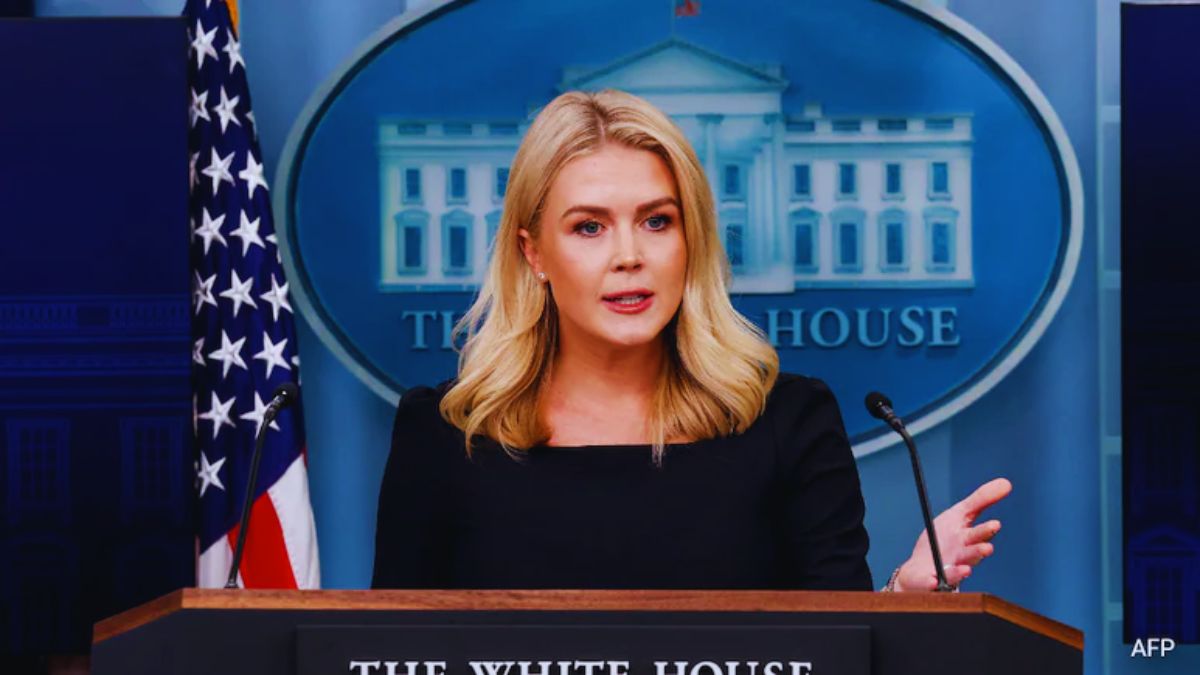
White House Press Secretary Karoline Leavitt confirmed that U.S. President Donald Trump was informed about the Israeli strike through American military channels. She stated that Trump immediately directed Special Envoy Steve Witkoff to alert Qatari officials before the attack. “Unilaterally bombing inside Qatar, a sovereign nation and close ally of the United States, does not advance Israel or America’s goals,” Leavitt said, though she also stressed that dismantling Hamas remains a priority.
Qatar Strongly Rejects U.S. Narrative
Despite Washington’s claims, Qatar firmly denied being warned in advance. Majed al-Ansari, spokesperson for Qatar’s Ministry of Foreign Affairs, stated that the call from U.S. officials came during the attack, not before. “The call that was received came during the sound of the explosions,” he wrote on X (formerly Twitter), dismissing Washington’s version of events as “completely false.”
Qatari Foreign Minister Sheikh Mohammed bin Abdulrahman Al Thani went further, calling the Israeli strike “state terrorism.” He revealed that the U.S. call came nearly ten minutes after the attack began, contradicting the White House’s statement.
Trump’s Diplomatic Outreach After the Strikes
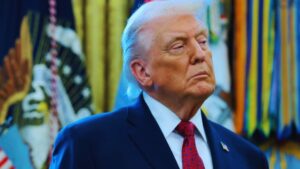
In response to the crisis, President Trump reached out to both Israeli Prime Minister Benjamin Netanyahu and Qatari Emir Sheikh Tamim bin Hamad Al Thani. According to the White House, Netanyahu assured Trump that Israel remains committed to pursuing peace, while Trump “overstressed the importance of peace in the region.”
During his call with the Qatari Emir, Trump expressed regret and promised that “such a thing will not happen again on their soil.” This statement was seen as an attempt to rebuild trust with Qatar, a critical U.S. ally.
Regional Implications and Global Diplomacy
The Israeli strikes in Qatar mark a rare and dangerous escalation in the Middle East. They raise questions about sovereignty, the role of allies, and the fragility of peace negotiations. While Israel may have temporarily weakened Hamas through the attack, it risks undermining ongoing diplomatic efforts in which Qatar plays a pivotal role. The dispute over whether Washington had prior knowledge also threatens to strain U.S.-Qatar relations.
As tensions rise, the incident underscores the delicate balance required to maintain regional stability and the challenges world powers face in brokering peace amid escalating conflict.

Helene Elliott is the Lead Science & Space Reporter at News Raise. She reports on aerospace missions, astrophysics discoveries, quantum research, and environmental technology.