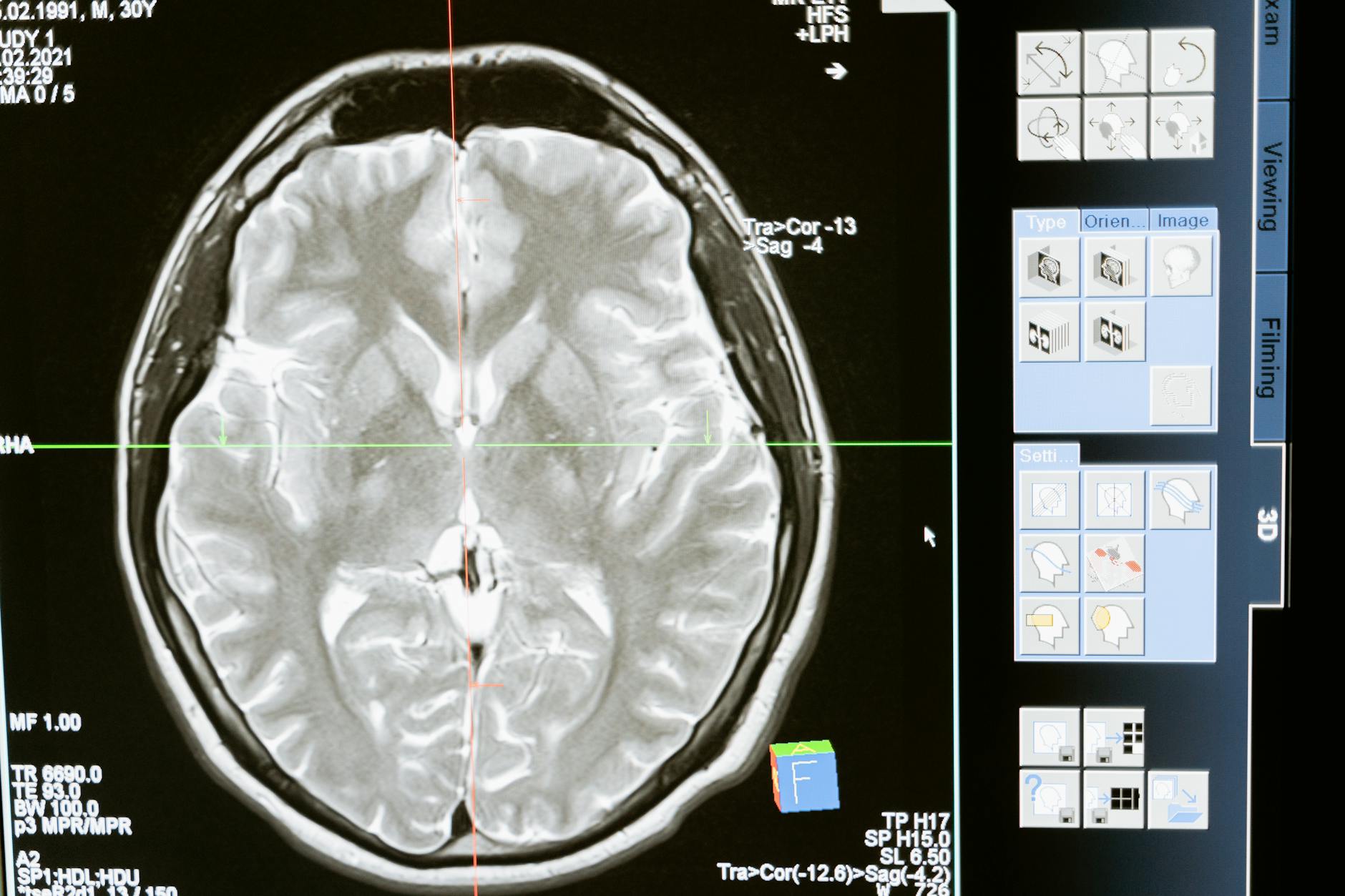
New research suggests that the significant hormonal shifts experienced by women during menopause, particularly the loss of estrogen, could play a crucial role in accelerating cognitive decline. This finding may help explain why women are disproportionately affected by Alzheimer’s disease and other forms of dementia.
Hormonal Changes and Brain Connectivity
The study points to changes in brain connectivity patterns observed in postmenopausal women. As estrogen levels decline, the brain’s ability to maintain efficient communication between different regions appears to be altered. Functional magnetic resonance imaging (fMRI) has revealed these shifts in brain activity patterns during midlife, indicating a potential vulnerability that may not be as pronounced in men.
Estrogen is known to have protective effects on the brain, influencing neurotransmitter function, neuronal growth, and reducing inflammation. Its decline during menopause, which typically occurs between the ages of 45 and 55, removes this protective shield, potentially leaving brain cells more susceptible to damage and dysfunction. This biological process is a key area of focus for understanding the higher prevalence of Alzheimer’s in women, who account for approximately two-thirds of Alzheimer’s patients.
Implications for Alzheimer’s Risk
While the exact mechanisms linking menopause to increased Alzheimer’s risk are still being investigated, this new study adds weight to the theory that hormonal fluctuations are a significant contributing factor. The fluctuating and eventual decrease in estrogen may not only affect immediate cognitive functions but also lay the groundwork for neurodegenerative processes that manifest later in life. Researchers are exploring whether interventions aimed at mitigating estrogen loss or its effects could offer a way to reduce the risk of cognitive impairment in women.
Understanding these sex-specific differences in brain aging and disease progression is vital for developing targeted prevention strategies and treatments. Future research is expected to delve deeper into the molecular pathways affected by estrogen loss and explore potential therapeutic avenues, such as hormone replacement therapy or novel pharmacological approaches, to support women’s brain health throughout their lives.

Mitchell Landsberg is a Senior Technology Correspondent at News Raise. He covers consumer electronics, artificial intelligence, software developments, and digital privacy trends.