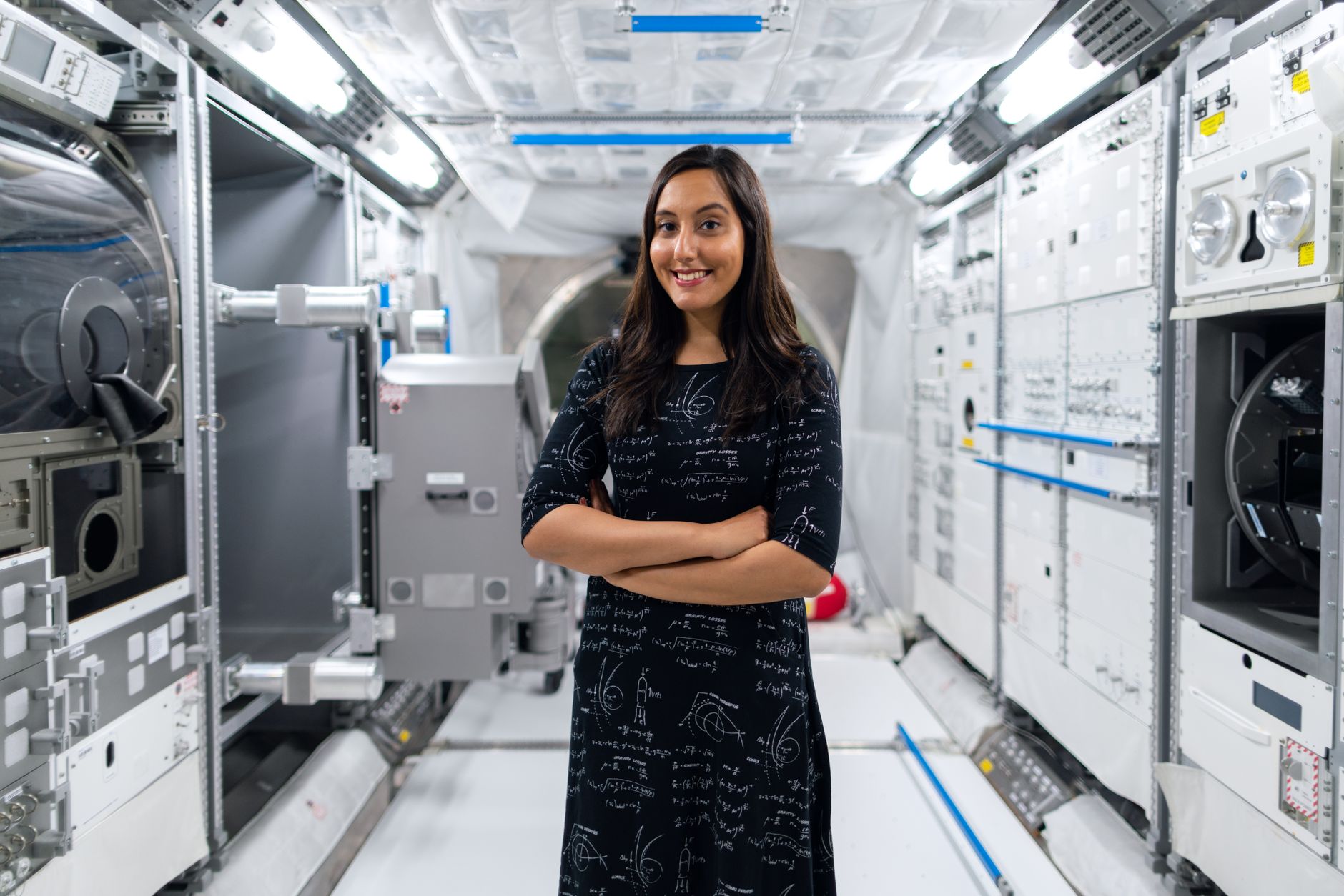
A SpaceX Dragon spacecraft has returned to Earth carrying a significant collection of scientific research samples from the International Space Station. The mission, designated CRS-34, marks the 34th commercial resupply mission for NASA by SpaceX, and the returning cargo includes biological and materials samples, as well as tested hardware, for further analysis by research teams.
Advancing Health and Medicine
Several experiments focused on human health are among those returning. NASA’s Hematopoietic Stem Cell Expansion in Space: Pathfinder Investigation (InSPA-StemCellEX-H2) aims to leverage microgravity for scaling up the production of stem cells, which on Earth can lose their ability to differentiate into various cell types needed for treating blood diseases and cancers. Returning samples will be studied to assess if space-based production yields larger quantities of enhanced stem cells for clinical use.
The Streptococcus pneumoniae (Spn) Infection of Cardiac Tissue (MVP Cell-09) experiment is awaiting the return of heart tissues intentionally infected with a pneumonia-causing bacterium. Researchers believe that the amplified effects of bacteria in microgravity may reveal cellular responses not observable on Earth, aiding the understanding of pneumonia’s link to heart disease. Additionally, NASA’s Megakaryocyte Flying-One (MeF1) samples will help scientists understand how megakaryocytes, large bone marrow cells, and their produced platelets adapt to spaceflight, providing insights into the human immune system’s response and preparation for future missions.
Innovative medical research includes samples from NASA’s DNA Nano Therapeutics-3, which developed tiny DNA-inspired materials combined with medicines in space for potential cancer treatments. The goal is to improve how these therapies reach tumors, remain in the body longer, and enhance medicine release. Tissue models of the brain, heart, liver, and kidney, tested with novel RNA-based medicines as part of NASA’s InSPA-Sachi Nanoligomer investigation, also returned. Microgravity’s ability to accelerate aging and disease processes offers a unique environment to observe the efficacy of these drugs before clinical trials.
Materials Science and Engineering
Research into improving spacecraft propulsion systems is also part of the returned cargo. NASA’s Zero Boil-Off Tank Noncondensables (ZBOT-NC) investigation studied how gases affect pressure control and fluid behaviors in cryogenic fuel tanks, which can lose fuel to evaporation in space. Hardware containing fluid-physics data is expected to help validate models and design more efficient cryogenic fuel storage for long-duration missions.
Semiconductor research samples from NASA’s In-Space Production of Semimetal-Semiconductor Composite Bulk Crystals in Microgravity (SUBSA-InSPA-SSCug) investigation are also returning. This study manufactured semimetal-semiconductor composite alloy crystals in space, with potential applications in electronics like sensors and lasers. Researchers anticipate that microgravity enables the production of higher-quality crystals, supporting the advancement of next-generation semiconductor technologies.
Bone Health and Tissue Engineering
Samples from ESA’s (European Space Agency) Green Bone investigation, which tested a wood-based scaffold designed to mimic real bone for healing defects and fractures in microgravity, are back for analysis. Results could aid in treating conditions like osteoporosis. NASA’s 3D Bone Marrow Analog research team will analyze 3D-printed tissues mimicking bone marrow. These tissues were exposed to vibrations on the space station to simulate exercise, aiming to investigate potential countermeasures for bone and muscle loss experienced during spaceflight.
Furthermore, NASA’s InSPA-Auxilium Bioprinter-Cell Printing investigation returned 3D-printed cartilage tissue samples. This research explores treatments for knee cartilage injuries, utilizing microgravity to bioprint cartilage with more evenly distributed cells than possible on Earth, potentially leading to higher-quality prints for treating joint injuries.

Norman Pearlstine is the Executive Editor and Co-Founder at News Raise. With over two decades of experience across financial journalism, corporate governance, and market analysis, Norman leads the editorial direction and ensures strict adherence to journalistic accuracy and ethics.