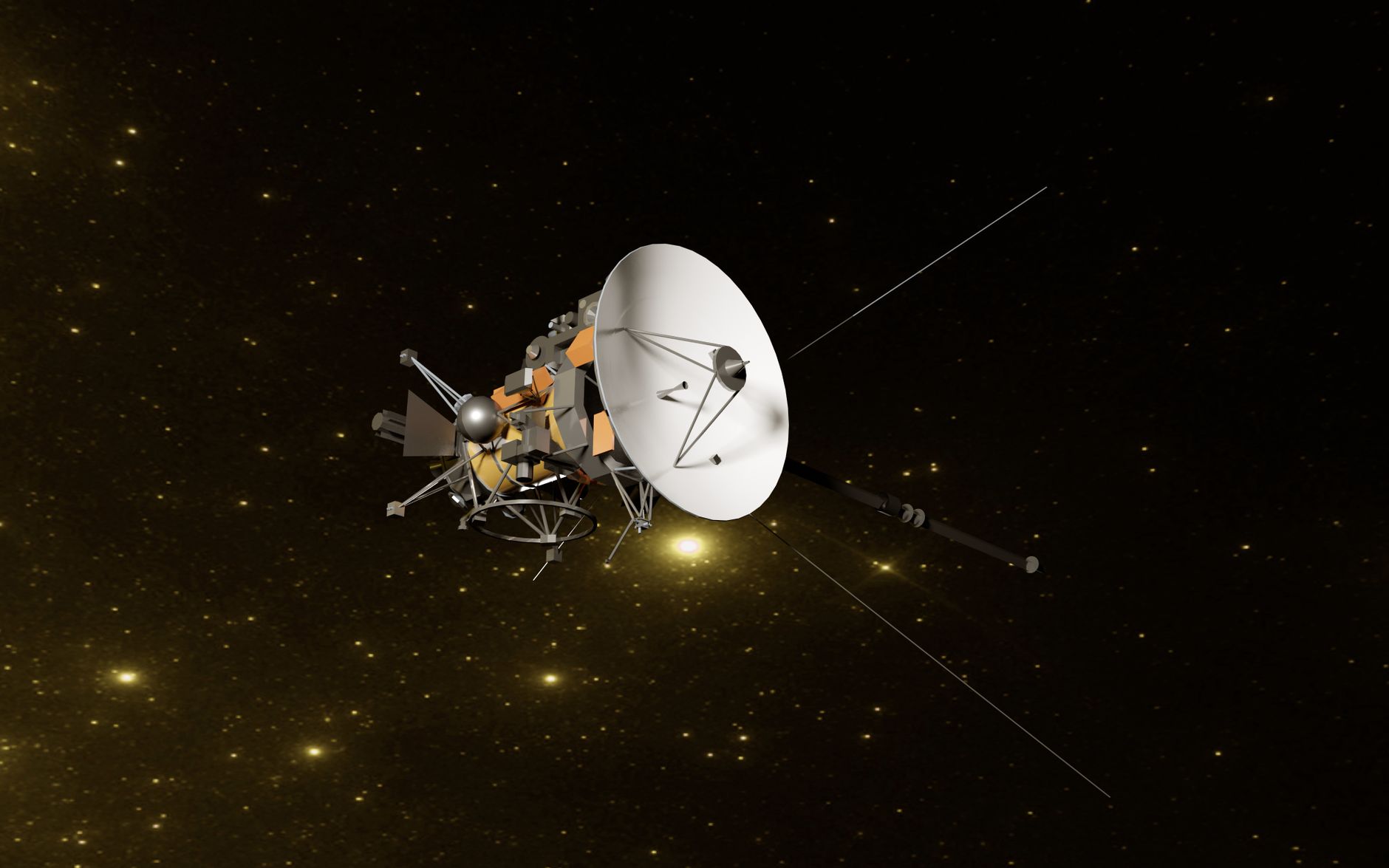
The Soviet Union’s Venera 14 spacecraft, which landed on Venus in March 1982, experienced a notable engineering mishap when its mechanical soil-testing arm was deployed directly onto the mission’s discarded camera lens cap. This incident meant the spacecraft measured the compressibility of the cap rather than the surrounding Venusian soil.
Surviving Venus’s Hostile Environment
Launched in late 1981 alongside Venera 13, the Venera 14 mission aimed to gather scientific data from Venus’s surface, a place characterized by extreme conditions. The planet features a surface temperature of approximately 870 degrees Fahrenheit, an atmospheric pressure 90 times that of Earth, and clouds of sulfuric acid. These factors make Venus one of the most hostile planetary surfaces in the solar system, with temperatures capable of melting lead and pressures comparable to being submerged 3,000 feet underwater.
Venus, often called Earth’s twin due to its similar size, presents a dangerous surface environment primarily due to a runaway greenhouse effect. Its dense atmosphere, composed of 96 percent carbon dioxide, traps immense heat, resulting in minimal temperature variation between day and night. The density of the atmosphere is so significant that descending spacecraft must navigate what is described as liquid-like air, making a Venus landing akin to descending into a pressurized furnace.
Engineering for Extreme Conditions
Soviet engineers approached the Venera missions with the expectation that the landers would eventually fail. The primary objective was to prolong their operational lifespan just long enough to transmit scientific data back to Earth. To withstand the intense pressure and heat, the Venera spacecraft were constructed as titanium-reinforced pressure vessels with thick metal shells and heavily insulated interiors, designed to function like a thermos or a deep-sea submarine.
The spacecraft had to contend with external pressure attempting to crush them and internal heat threatening the electronics. Consequently, engineers developed heavily armored capsules, essentially miniature submarines built to operate within an oven-like environment. Standard cooling systems were ineffective against Venus’s extreme heat. The Soviet solution involved pre-cooling the spacecraft’s interior to -10 degrees Celsius before atmospheric entry, employing thick thermal foam, and utilizing sealed compartments. The strategy focused on slowing heat transfer to buy time rather than attempting to stop it entirely.
Descent and Scientific Instruments
The dense atmosphere of Venus significantly slowed the spacecraft’s descent. While parachutes were used to extend survival time, they also prolonged the period spent exposed to high temperatures. To mitigate this, Soviet engineers implemented a strategy where parachutes were cut at an altitude of 31 miles above the surface, allowing for a rapid descent that was deemed less deadly than a slower, prolonged entry.
Beyond survival, the probes were equipped to collect data. Venera 13’s color cameras provided the first color panoramas from another planet, revealing volcanic rocks, a yellow sky, and basalt slabs. Microphones on board captured sounds of wind, drilling operations, and the probes’ own mechanical activities. The drilling mechanism utilized a pyrotechnic system. To prevent atmospheric gases from entering the spacecraft, a sealed vacuum-lock-style chamber was employed for operating an X-ray fluorescence spectrometer. This instrument identified volcanic basalt rich in sulfur and potassium, highlighting the Venera spacecraft’s function as miniature robotic geology labs.
The lens cap incident, though an unexpected mishap, underscores the challenges of space exploration. Despite the flawless performance of the spacecraft’s systems, the misplacement of the lens cap led to an unintended measurement. The Venera missions, however, significantly demonstrated Soviet engineering capabilities during a period of intense competition with the U.S. The data collected continues to be valuable and has informed subsequent missions, including NASA’s DAVINCI and VERITAS projects.

Helene Elliott is the Lead Science & Space Reporter at News Raise. She reports on aerospace missions, astrophysics discoveries, quantum research, and environmental technology.