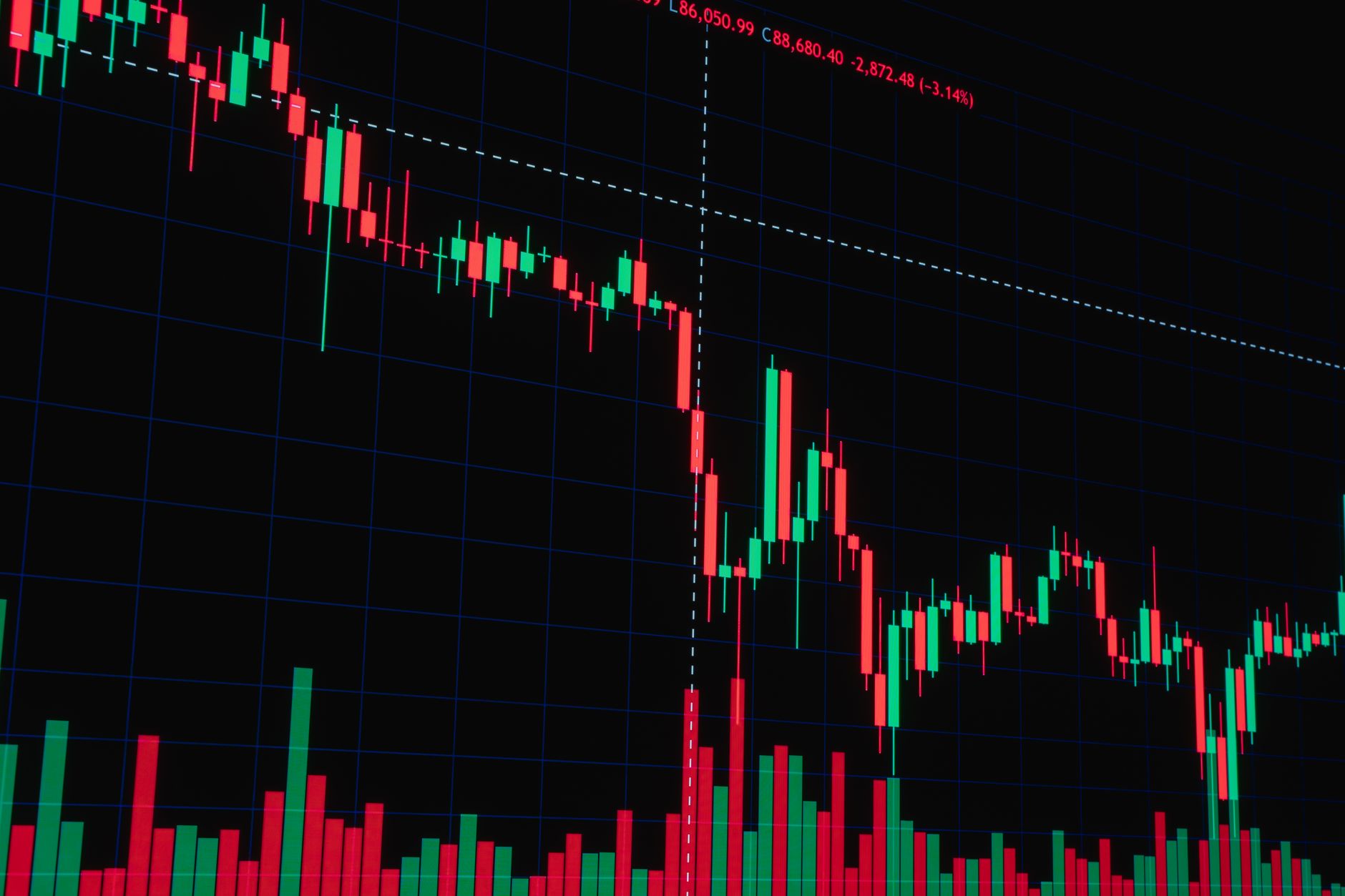
When SpaceX’s first major lock‑up expired, roughly 911.5 million shares held by employees and early investors became eligible for sale. The unlock added a sizable tranche to a public float that had already been unusually tight, and the stock had slipped below its $135 IPO price in the weeks leading up to the event.
Market data reported by Reuters indicated that the number of shares available for public trading more than doubled after the August 6 expiration. Despite the apparent increase in supply, the shares rallied. MarketWatch called the day one of SpaceX’s best since it went public, while The Wall Street Journal noted a jump of about 16 % as fears surrounding the lock‑up faded.
Lock‑up expiration and immediate market reaction
The IPO had made less than 5 % of SpaceX’s total shares available to the public, creating a scarcity that drove early demand. Both Reuters and Axios highlighted that the first lock‑up could substantially raise the tradable supply. Yet the market’s reaction was not a simple sell‑off. Analysts observed that the narrative – a small float, a near‑billion‑share eligibility increase, and potential insider selling – was widely known before the date arrived, making the event less of a surprise and more of a test of behavior.
In a prior Forbes column, the author argued that the unlock was not dilution because the shares already existed; the real issue was liquidity and ownership dynamics. Employees, early investors, and venture funds do not all act alike. Some may sell for liquidity, tax planning, or fund‑life reasons, while others may hold if they believe the stock remains undervalued or wish to avoid sending a negative signal.
Why the rally may not signal a clean valuation
The post‑unlock rally does not prove that SpaceX is cheap. Instead, it suggests that the market had overestimated how mechanical the selling would be. By the time the lock‑up arrived, many investors had already positioned themselves around the anticipated supply risk. Some short sellers expected added pressure, while other buyers waited for liquidity and stepped in when the feared wave of selling did not materialize immediately. The Associated Press reported that analysts framed the expiration as both a risk and a possible entry point at a lower price.
Commentary from the source stresses that the rally was a positioning event rather than a fundamental endorsement. The market’s certainty about the outcome turned a previously crowded “sell‑off” trade into a buying opportunity for those who believed the supply shock would be muted.
Looking ahead: absorption versus scarcity
While the first unlock demonstrated that a sizable tranche could be absorbed without a sharp price decline, it does not settle the broader valuation question. SpaceX now moves from scarcity‑driven pricing toward broader price discovery as more shareholders gain the ability to trade. Additional lock‑up tranches are expected to lift later, potentially expanding the tradable share pool even further.
The next useful signal will be whether the stock can sustain demand when scarcity fades. Demand implies that investors are willing to absorb new supply because they view the price as attractive, whereas scarcity merely reflects limited access. Future performance will need to incorporate factors such as Starlink revenue, launch economics, government contracts, Elon Musk’s brand premium, and the long‑term risk profile of the space industry.
In sum, the SpaceX lock‑up rally shows that investors misread the sell‑off risk, treating the eligibility of shares as equivalent to actual selling. The event highlighted the behavioral nature of lock‑up expirations and underscored that supply considerations remain central as the company transitions to a more liquid public market environment.

Mitchell Landsberg is a Senior Technology Correspondent at News Raise. He covers consumer electronics, artificial intelligence, software developments, and digital privacy trends.