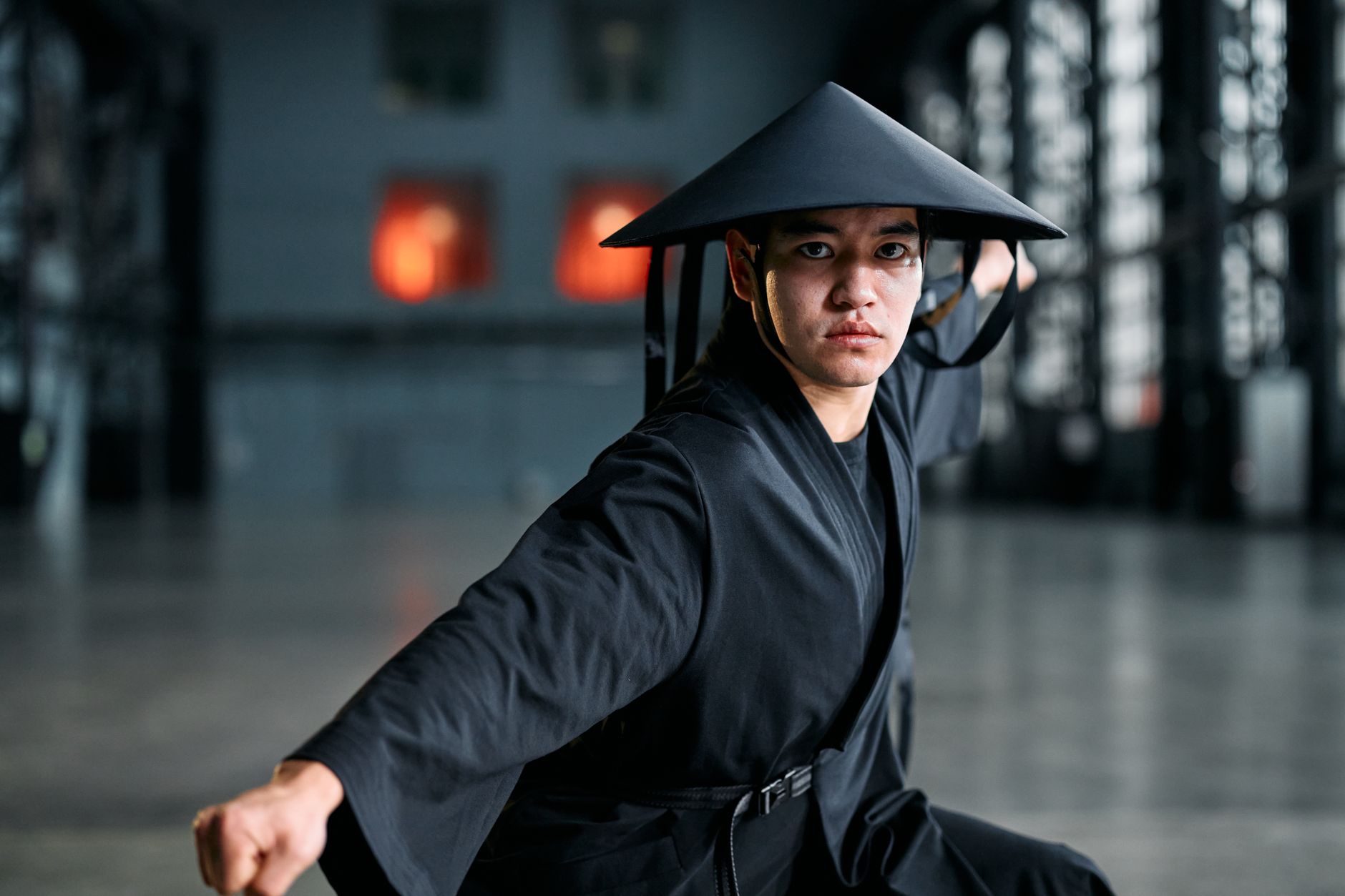
Capcom’s latest entry in the Onimusha franchise, Way of the Sword, offers a combat experience that demands precision and mastery. Reviewers note that the game’s tutorial system extends well beyond the opening minutes, gradually expanding Musashi’s arsenal of parries, dodges and deflections. This prolonged learning curve creates a steep early pace but ultimately rewards players with boss encounters that function as comprehensive skill checks. Success in these battles requires near‑perfect execution, and the absence of button‑mashing or cheap shortcuts reinforces the title’s emphasis on technique.
Combat System and Difficulty
The protagonist, a younger fictional version of the historic swordsman Miyamoto Musashi, wields an Oni Gauntlet that grants extraordinary strength, though the character himself despises its artificial nature. Throughout the game, Musashi’s combat kit evolves, compelling players to integrate newly learned moves into each encounter. Set pieces such as the Arashiyama bamboo forest and the historic Kiyomizu‑dera temple serve as arenas where basic mob fights already feel rewarding, while later stages introduce rift‑spawned enemies confined to isolated combat arenas. Reviewers describe these rifts as mandatory quizzes that repeat frequently, often reusing the same bosses and leading to a sense of exhaustion.
World Design and Characters
Set in early Edo‑period Kyoto, the game’s environments blend recognizable landmarks with fantastical elements, including underground labs overseen by the villainous scientist Dokyo. Supporting characters add depth to the otherwise formulaic narrative of demons versus heroes. Dokyo’s taunting voice, the steadfast companion Izumo no Okuni, and the flamboyant rival Sasaki Ganryu each contribute distinct personalities. Musashi’s mentor, the Oni Ono no Takamura, explains his willingness to bear the gauntlet as simple enjoyment, a sentiment echoed by the reviewer’s own experience. While the storyline follows the series’ traditional premise—defeating the malevolent Genma demons—it benefits from these larger‑than‑life personalities.
Design Repetition and Replay Value
Beyond the core combat, the title offers side quests and “curious cases” that encourage revisiting cleared stages. An otherworldly arena provides a space for practice and boss rematches, extending the game’s longevity. However, the necessity to seal numerous rifts and destroy malice flowers to progress is seen as a padding element. Reviewers argue that Capcom struggles to justify the frequency of these arena repeats, which interrupt the flow of Musashi’s journey and dilute the impact of the more engaging combat segments. Despite these aging design choices, the game is described as the most satisfying and enjoyable Onimusha entry to date, delivering a complex action system that outweighs its repetitive moments.
In summary, Onimusha: Way of the Sword excels in delivering a demanding, rewarding combat experience anchored by strong character work, but its reliance on repetitive arena mechanics may hinder overall pacing for some players.

Steve Lopez is a Senior Editorial Columnist and Health & Public Policy reporter for News Raise. Steve focuses on healthcare advancements, medical technologies, and public health policies.