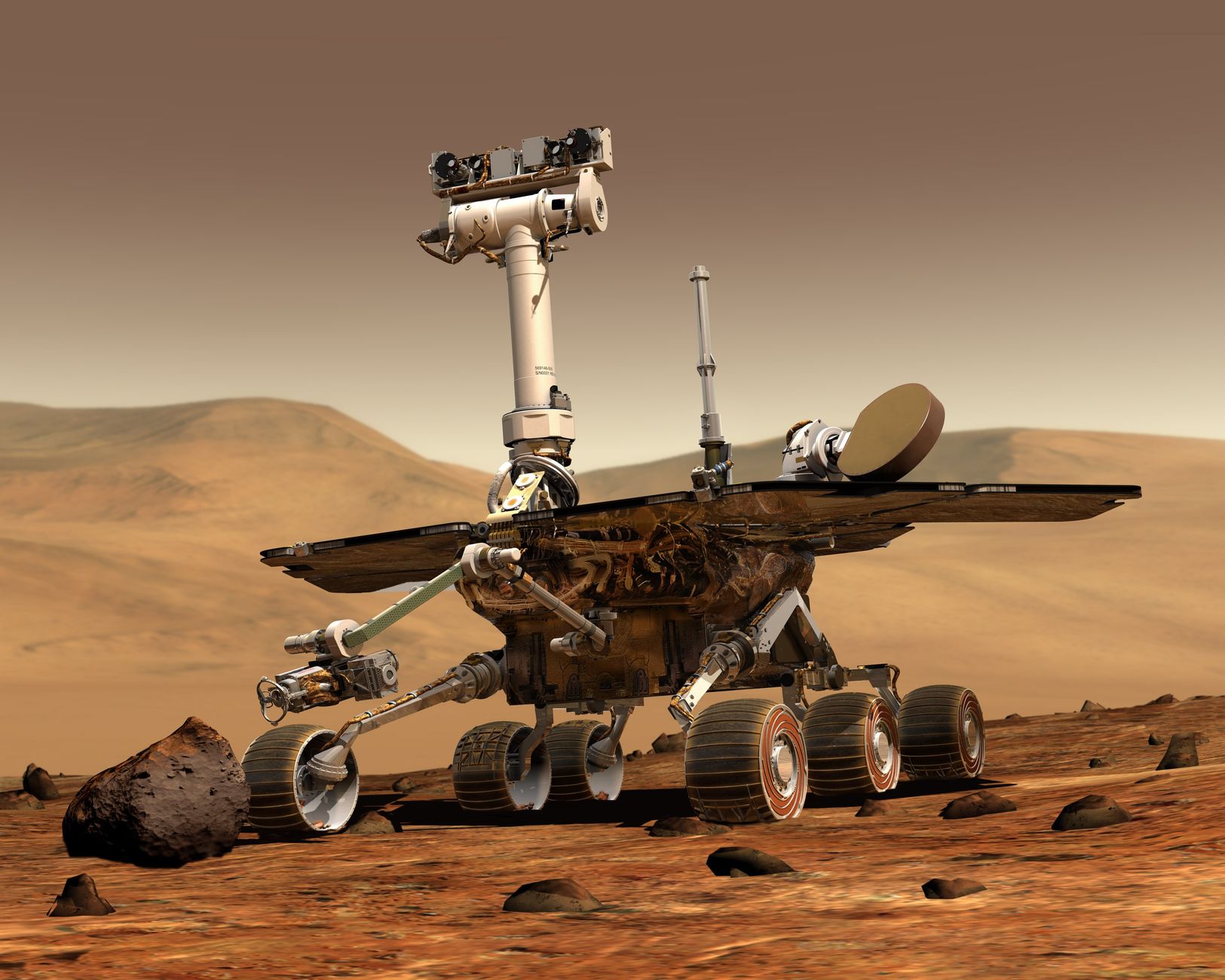
A striking photograph taken on the surface of Mars not only imagines what standing on the Red Planet might feel like, it also marks the location where scientists using NASA’s Perseverance rover made an unexpected discovery. The rover, which arrived at the inner edge of Jezero Crater in September 2023, examined a stretch of terrain known as the “Margin Unit” – the ancient shoreline of a lake that once filled the crater.
Discovery at the Margin Unit
Jezero Crater is one of the largest impact basins on Mars that is known to have hosted a lake in the planet’s early history. Prior to landing, orbital instruments detected carbonate minerals in the area, leading researchers to anticipate that the rover would encounter sedimentary rock formed from layers of clay‑rich sand deposited over millennia. On Earth, such sedimentary deposits often preserve traces of past microbial life, making them prime targets for astrobiological investigations.
Instead of the expected sedimentary strata, Perseverance’s SuperCam instrument identified igneous rock. Igneous rocks originate either from deep‑seated magma or from surface volcanic eruptions, and they retain a record of the conditions at the moment of their formation. The rover’s laser‑induced spectroscopy revealed that the rocks at the Margin Unit had interacted with water on at least three distinct occasions.
Water‑altered igneous rocks
Further probing of the site uncovered two contrasting rock units. Higher up the slope, the rover found coarse‑grained, crystalline material that exhibits the mineral olivine and shows virtually no signs of water alteration. Scientists interpret this olivine‑rich unit as the product of a deep magma body that cooled slowly, allowing large crystals to develop before erosion exposed them at the surface.
Closer to the ancient lakebed, the same olivine appears fractured and is interspersed with silica deposits. The presence of both carbonate and silica minerals suggests that water once percolated through the rock, reacting with olivine. On Earth, such reactions release hydrogen, a potential energy source for microbes, and leave behind carbonate and silica as mineralogical fingerprints of that activity.
“Some of the Margin Unit rocks also contain silica,” said Eleni Ravanis of the University of Hawaii at Manoa, a coauthor of the study. “Turning olivine into carbonate can leave silica behind, and we see more of that silica in rocks that sat below the water line.”
Implications for ancient habitability
Lead author Candice Bedford of Purdue University emphasized how the findings overturn the original hypothesis derived from orbital data. “Before we arrived at the Margin Unit, the main hypothesis – derived from orbital observations – was that the carbonate seen from orbit formed from interaction with the lake that existed in Jezero Crater,” she explained. “But now we know that this location became a sort of crossroads for aqueous systems.”
Because Jezero Crater sits within one of the planet’s largest carbonate exposures, the new evidence of multiple water‑rock interactions extends beyond a single site, offering broader insight into Mars’ climate evolution. Bedford added that Mars “constantly throws surprises” and that such surprises are rare when expectations are based solely on orbital observations.
The discovery of water‑altered igneous rocks, together with the identified silica and carbonate, provides a fresh line of evidence that early Mars experienced repeated episodes of liquid water activity. These mineralogical clues could help scientists reconstruct the planet’s shifting climate and assess whether the conditions ever supported microbial life.
As the Perseverance rover continues its exploration of Jezero Crater, researchers hope that additional analyses will further clarify the timing and extent of these aqueous events, sharpening our understanding of Mars’ ancient habitability.

Helene Elliott is the Lead Science & Space Reporter at News Raise. She reports on aerospace missions, astrophysics discoveries, quantum research, and environmental technology.