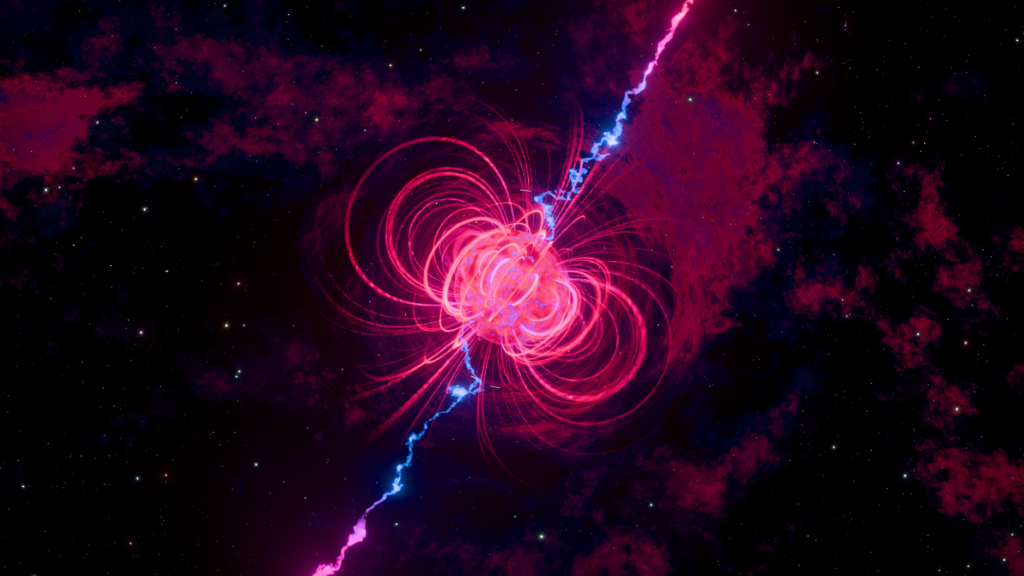
Orbital data have uncovered a dense, magnetized rock on the Moon’s far side, suggesting a strong early dynamo around 4.2 billion years ago.
Posts tagged as “planetary science”
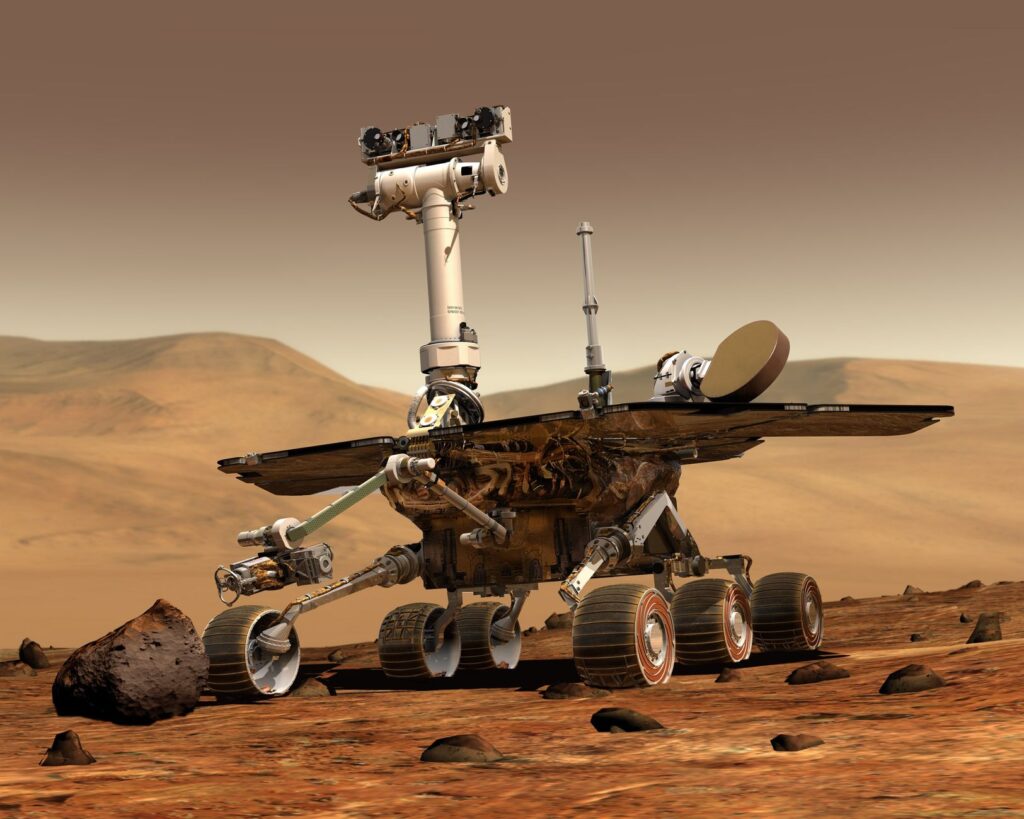
NASA's Perseverance rover uncovered igneous rocks that interacted with water multiple times in Jezero Crater, reshaping ideas about Mars' ancient climate and habitability.
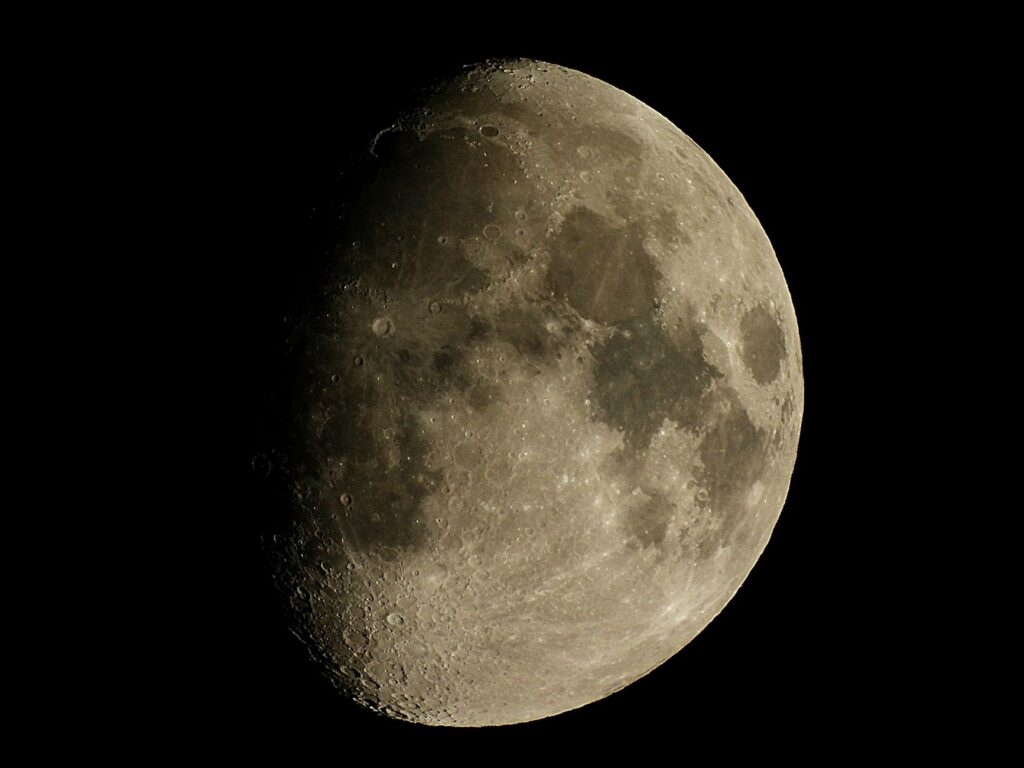
A 222‑metre crater named McGetchin, formed between April and May 2024, is the largest impact observed on any planetary body while under continuous observation.
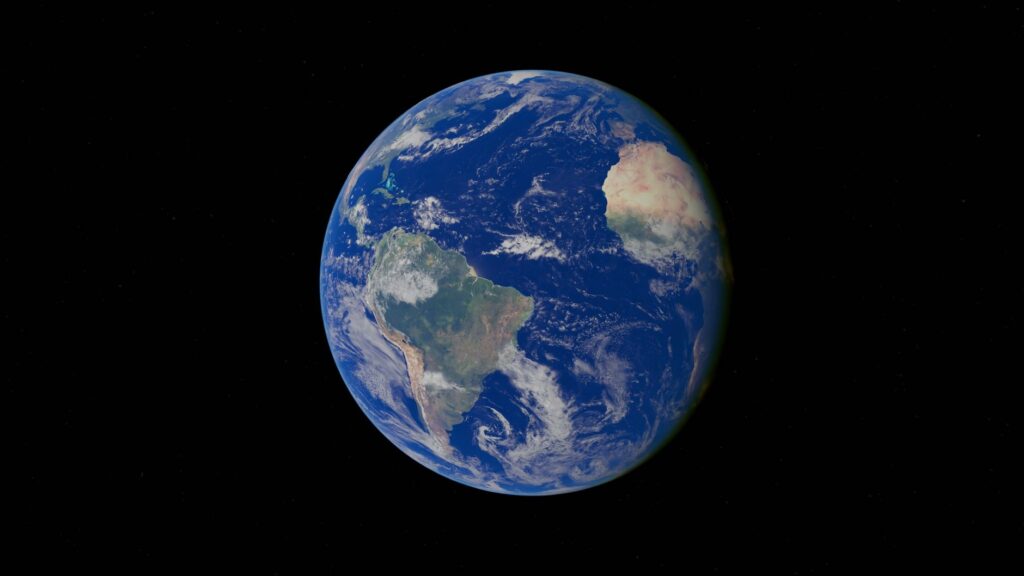
Computer simulations indicate that Venus' slow rotation and tidal interactions would have caused any early moon to spiral inward and be destroyed, eliminating the need for a later catastrophic event.
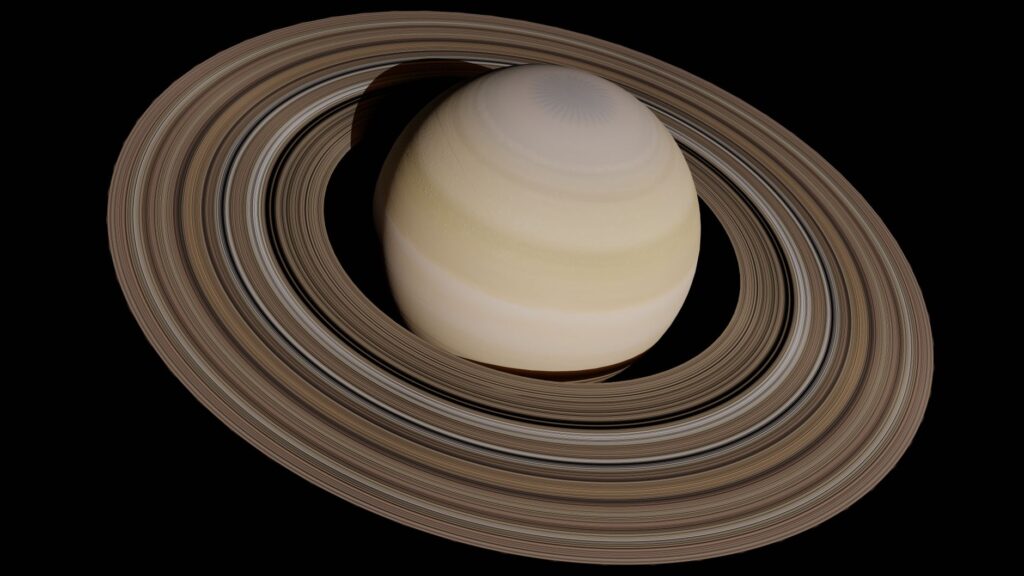
NASA and an international team have confirmed a giant decagonal wave surrounding Saturn’s south pole, a feature that was absent during the Cassini mission.
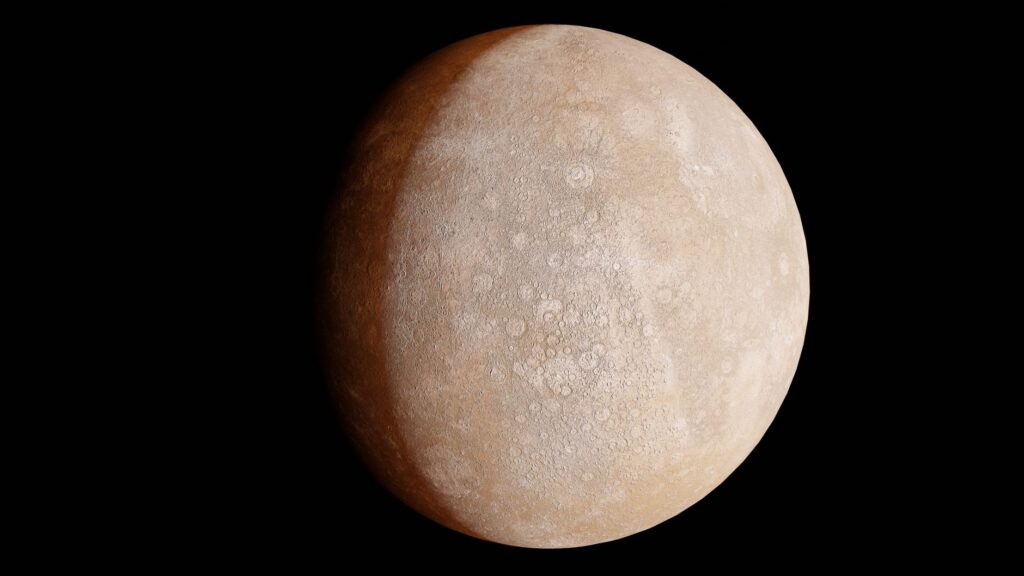
ESA and JAXA’s BepiColombo mission will separate its two orbiters in September, aiming to deliver detailed observations of Mercury’s surface and environment by 2027.
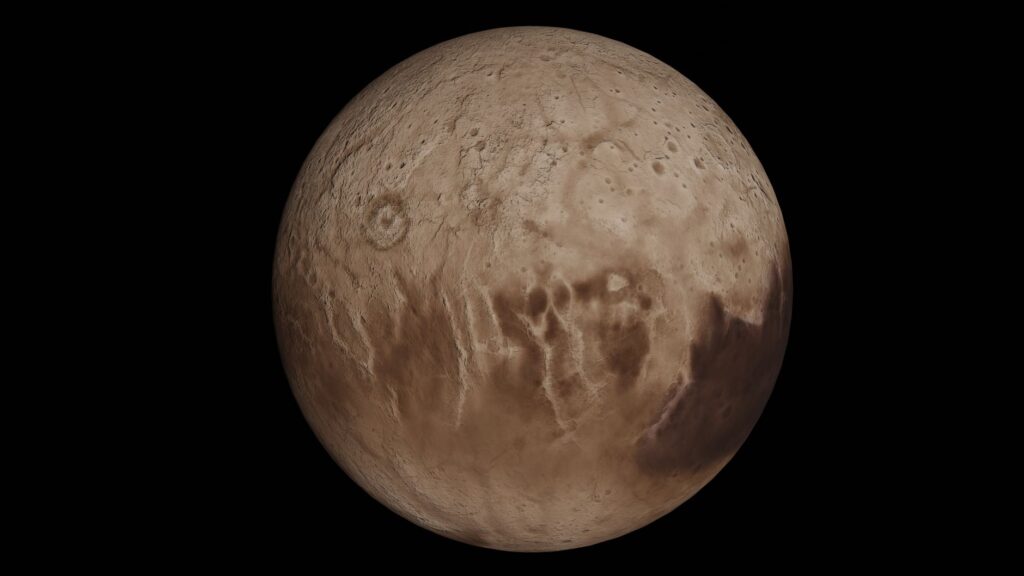
A two‑day summit in Boulder examined the engineering, technology and commitment needed for a crewed mission to Saturn’s moon Titan.
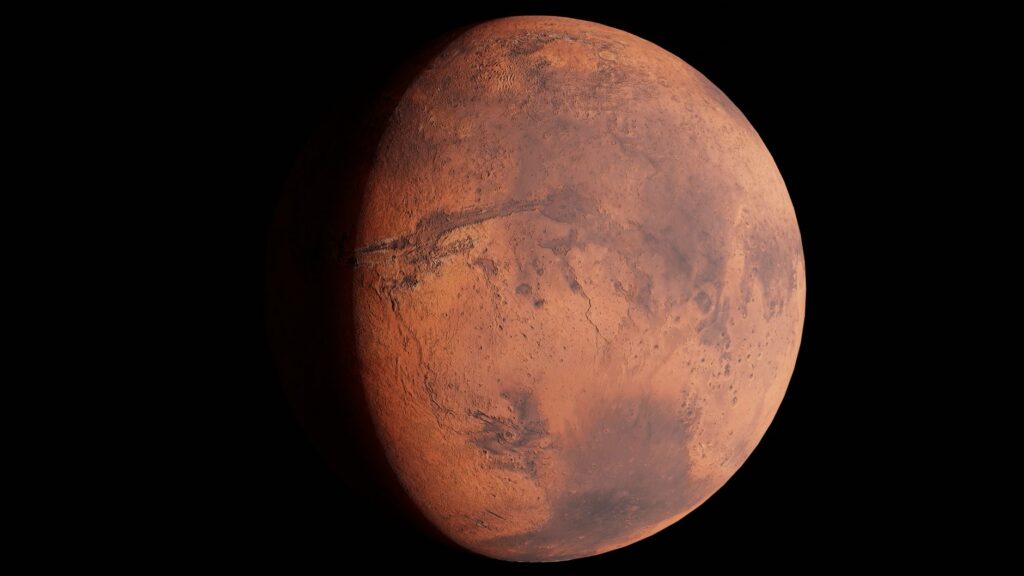
Researchers using the James Webb Space Telescope have discovered unexpected clouds composed of salt in the atmosphere of GJ504b, a planetary-mass companion known as the 'Pink Planet'.