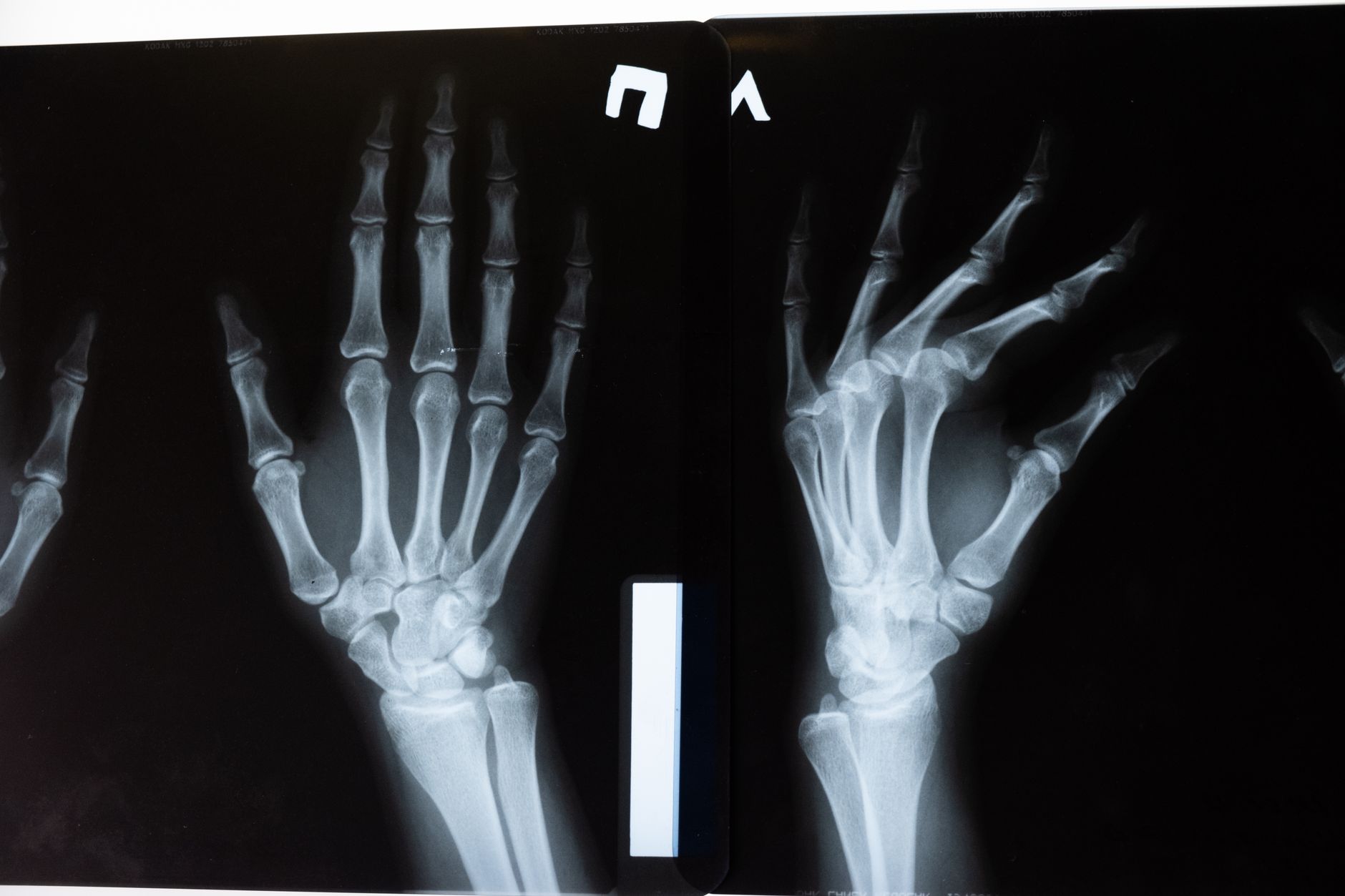
Seven out of ten American women are expected to develop osteopenia or osteoporosis during their lives, and the conditions disproportionately affect those who are menopausal or post‑menopausal. Orthopedic surgeon Dr. Jocelyn Wittstein of Duke University School of Medicine stresses that waiting for a fracture before addressing bone health leaves many women vulnerable to a disease that is “silent until it isn’t.”
Start DEXA Screening at Menopause, Not Age 65
Dr. Wittstein points to Dual‑Energy X‑ray Absorptiometry (DEXA) scans as the primary tool for detecting low bone mineral density. The scan produces a “T‑score” that compares a patient’s bone density to that of a healthy 30‑year‑old. A score between 0 and –1 is considered normal, –1 to –2.5 indicates osteopenia, and a score below –2.5 signals osteoporosis. While many women are not prescribed a DEXA until age 65, Wittstein recommends scheduling the first scan during the menopause transition—typically around age 50 or 51—when bone loss begins to accelerate.
Identifying weak bones early gives clinicians a chance to intervene before osteopenia progresses to full‑blown osteoporosis. The scan itself is quick, taking roughly 15 minutes, and can provide a clear picture of fracture risk.
Exercise and Micronutrients as First‑Line Defenses
Strength training and impact‑type activities such as jumping jacks or squat jumps stimulate bone‑forming cells, leading to denser, stronger skeletal tissue. Improved bone density also enhances balance, a critical factor in reducing falls. Wittstein notes that about 30 % of individuals who suffer a hip fracture die within one to two years, underscoring the importance of fall prevention.
Exercise does not require elite fitness levels; Wittstein advises women to “find the entry point you can tolerate” and gradually increase load as strength improves. “Something is always better than nothing,” she says.
Nutrition complements physical activity. Calcium remains a cornerstone mineral, but vitamin D is essential for calcium absorption. Natural sources of vitamin D include fatty fish, eggs and sunlight exposure. Vitamin K and magnesium further support bone mineralization—magnesium activates vitamin D, while vitamin K directs calcium to bone tissue. A diet rich in fruits and vegetables supplies fiber, which offers anti‑inflammatory benefits.
For women with a documented deficiency, Wittstein suggests 600–800 IU of vitamin D daily, 1,000 mg of calcium, and 300–400 mg of magnesium. She recommends confirming individual needs with a primary‑care physician.
Hormone Therapy May Help Preserve Bone Density
Estrogen plays a protective role by inhibiting bone resorption. During perimenopause and menopause, fluctuating estrogen levels can trigger rapid bone loss—up to 10 % in the two‑year window surrounding menopause. Menopausal hormone therapy (HRT) can stabilize estrogen, potentially slowing the progression from osteopenia to osteoporosis.
While HRT is not suitable for every woman, it carries an FDA indication for bone protection in addition to treating vasomotor symptoms such as hot flashes. Wittstein emphasizes that any decision about hormone therapy should be made in consultation with a healthcare provider.
There is currently no standalone cure for osteopenia or osteoporosis, but a combination of early DEXA screening, targeted exercise, a nutrient‑dense diet, and, where appropriate, hormone therapy can empower women to maintain bone health throughout their lives. As Wittstein affirms, “you can still live a very full life” even after an osteopenia diagnosis.

Helene Elliott is the Lead Science & Space Reporter at News Raise. She reports on aerospace missions, astrophysics discoveries, quantum research, and environmental technology.