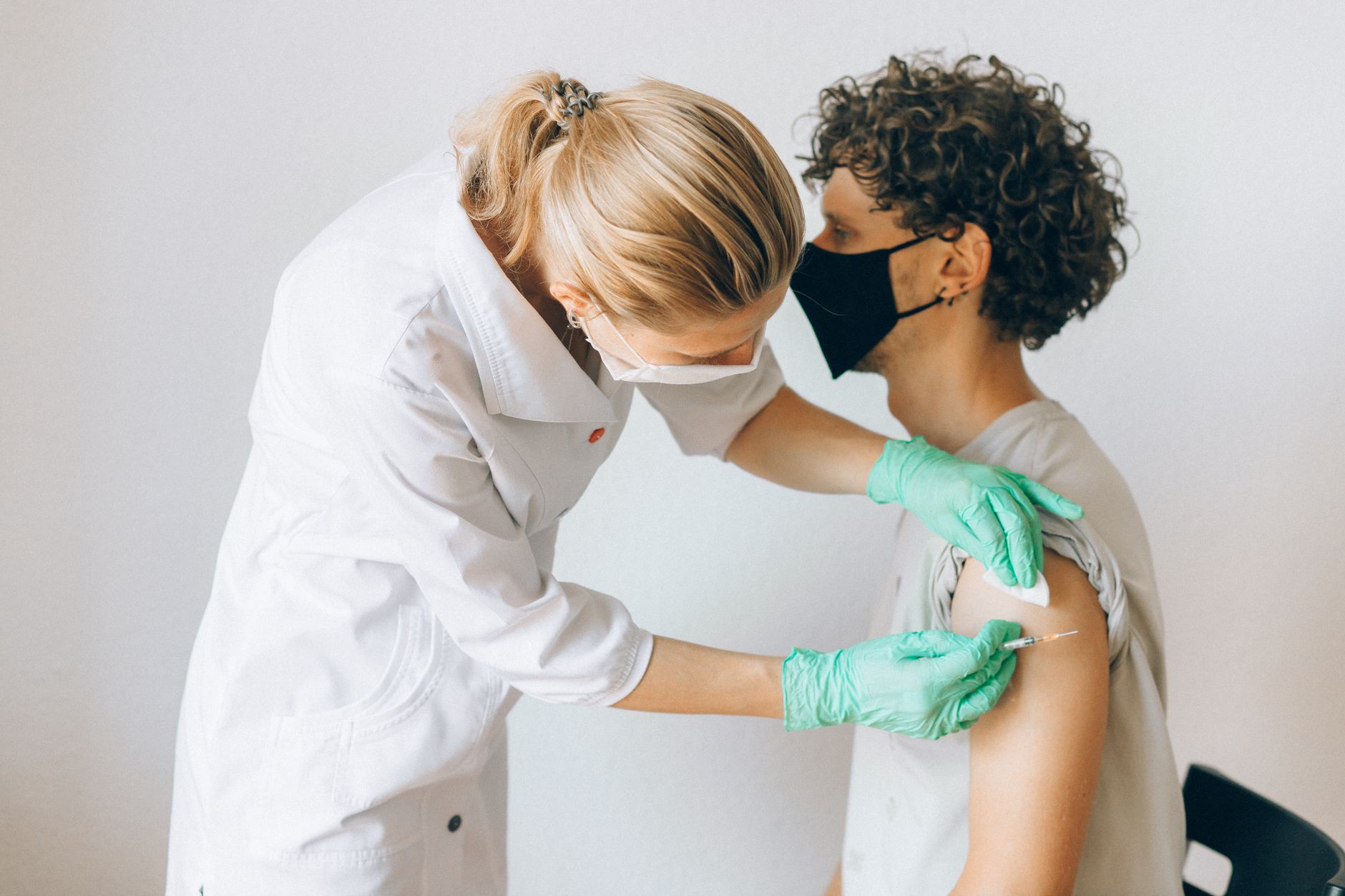
For months nurse Dale Weiser has been traveling up to 30 miles (48 km) from the Chester County Health Department to the rural edge of Pennsylvania where a large Amish population resides. Her mission is to vaccinate families against measles, mumps and rubella (MMR) by entering homes and, on occasion, setting up a temporary clinic at a kitchen table.
Door‑to‑door vaccination effort
Weiser says many Amish residents lack health insurance and have limited interaction with the mainstream health system, which makes routine immunisation difficult. By answering questions and building trust, she reports that people often change their minds about the vaccine. The county’s strategy mirrors tactics used during the COVID‑19 pandemic: health workers knock on doors, offer private settings, and provide vaccines on the spot.
Since the outbreak began in late April, Pennsylvania’s state health department has administered nearly 4,300 MMR doses at pop‑up clinics near the epicentre. Chester County alone has delivered 538 doses, with 340 given in private homes after residents requested a more discreet option.
Outbreak impact and community response
The current measles surge is the deadliest in the United States since 1992, with four deaths recorded: two newborns, an 18‑year‑old woman and a 40‑year‑old woman. Officials note that the virus spreads rapidly in the Amish community, where social gatherings are common and many individuals have not been vaccinated. Estimates suggest only about a quarter of Amish people in the Lancaster area have received the MMR vaccine, despite roughly 90,000 Amish living in Pennsylvania overall.
Genetic epidemiologist Braxton Mitchell of the University of Maryland School of Medicine explains that low vaccination rates are often a matter of convenience rather than strong opposition. “A lot of people who haven’t gotten vaccinated, it’s not because they have a strong stance against it. It’s just that they haven’t gotten around to it,” he said.
Weiser has encountered misinformation typical of anti‑vaccine rhetoric, including claims that the vaccine contains heavy metals that could make people magnetic or that it includes a computer chip. While some residents remain firmly opposed, many are “unaware or their culture feels differently,” according to Jeanne Franklin, director of the Chester County health department. The door‑to‑door approach has helped dispel myths and encourage hesitant families to accept the shots.
Political controversy surrounding the outbreak
The outbreak has reignited national debate over vaccine policy. Health Secretary Robert F. Kennedy Jr. questioned the reported infant deaths on social media, prompting criticism from Pennsylvania Governor Josh Shapiro, who accused Kennedy of spreading misinformation that could worsen the crisis.
Lancaster County coroner Stephen Diamantoni, a Republican, suggested one infant died from a ruptured spleen rather than measles directly, though pediatric infectious disease specialist William Moss of Johns Hopkins Bloomberg School of Public Health emphasized that measles likely contributed to the fatal outcome.
Earlier, former President Donald Trump issued an executive order recommending that the combined MMR vaccine be split into three separate shots—a move doctors say is unnecessary and could undermine confidence in a vaccine already proven safe.
Weiser cautions that the outbreak could persist for six to twelve months, especially as schools reopen and provide new opportunities for transmission. “We’re in community transmission now. We can’t stop it easily,” she said.

Steve Lopez is a Senior Editorial Columnist and Health & Public Policy reporter for News Raise. Steve focuses on healthcare advancements, medical technologies, and public health policies.