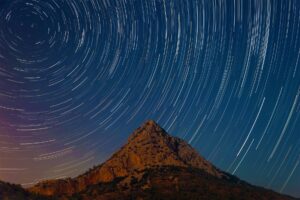
Late September promises one of the most rewarding stargazing periods of the year, and observers do not need a telescope to enjoy the show. All five planets visible to the naked eye will appear at different times throughout the week, culminating in the rise of September’s full moon, traditionally known as the Harvest Moon.
Venus Near Sunset
Venus has dominated the evening sky all month, reaching its peak brilliance on September 18. The planet remains low in the western horizon for roughly 45 minutes after sunset, but it is rapidly descending toward the sun’s glare. This week marks the final practical window to spot Venus without optical aid before it disappears from the evening sky for an extended period.
Morning Planets: Jupiter, Mars and Mercury
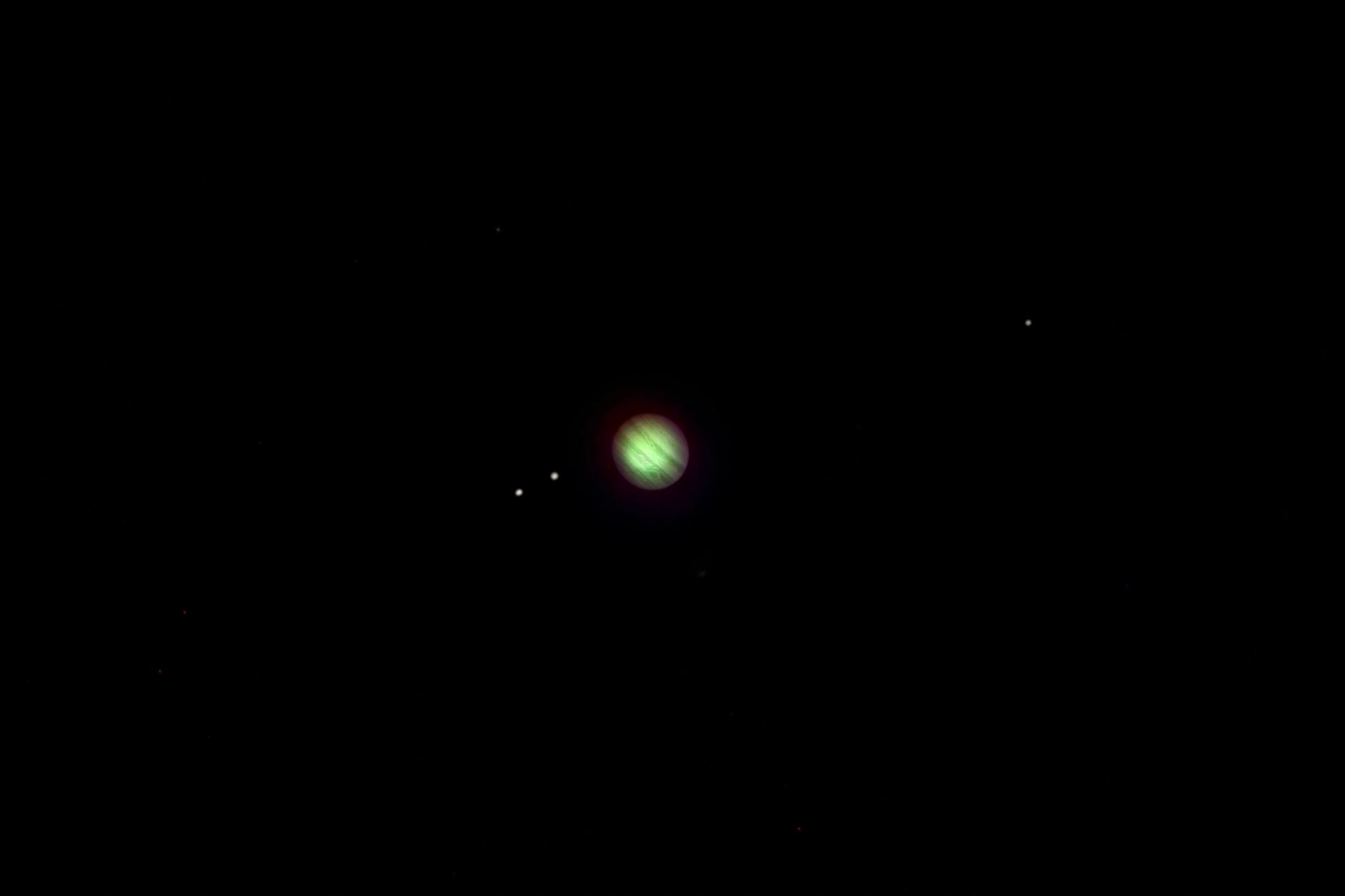
Looking east before sunrise reveals Jupiter as a bright, steady white point, a reliable fixture throughout the month. Adjacent to it, Mars appears as a faint reddish speck. Although still dim, Mars has been gaining a modest amount of brightness as September progresses, making it a little easier to distinguish than earlier in the summer.
Early risers will notice a special alignment on Friday, September 25. Mars will line up with the twin stars Castor and Pollux in the constellation Gemini, forming a neat row low in the eastern sky just before sunrise. The same evening, after sunset, Mercury will become visible for a brief window. Typically the hardest planet to spot because it stays close to the sun’s glare, Mercury on September 25 will sit far enough above the horizon’s glow to be seen with the naked eye shortly after the sun sets.
Harvest Moon and Saturn
The highlight of the week arrives on Saturday, September 26, when the full moon reaches its peak at 12:49 p.m. EDT. Known as the Harvest Moon because it falls closest to the autumnal equinox, the moon will rise that evening with a deep yellow‑orange hue, appearing especially large near the horizon.
Just below the moon, Saturn will be visible as a bright, star‑like object about six degrees away. Observers can expect to spot Saturn roughly one hour after moonrise, even without a telescope. For those equipped with a telescope, Saturn’s iconic rings and its brightest moons—Rhea, Tethys, Dione and Titan—will be discernible, extending in a line from the planet.
Between now and Saturday, skywatchers have the opportunity to view five naked‑eye planets—Venus, Jupiter, Mars, Mercury and Saturn—alongside the Harvest Moon, all without specialized equipment. Clear skies are the only remaining requirement for a memorable celestial display.

Norman Pearlstine is the Executive Editor and Co-Founder at News Raise. With over two decades of experience across financial journalism, corporate governance, and market analysis, Norman leads the editorial direction and ensures strict adherence to journalistic accuracy and ethics.