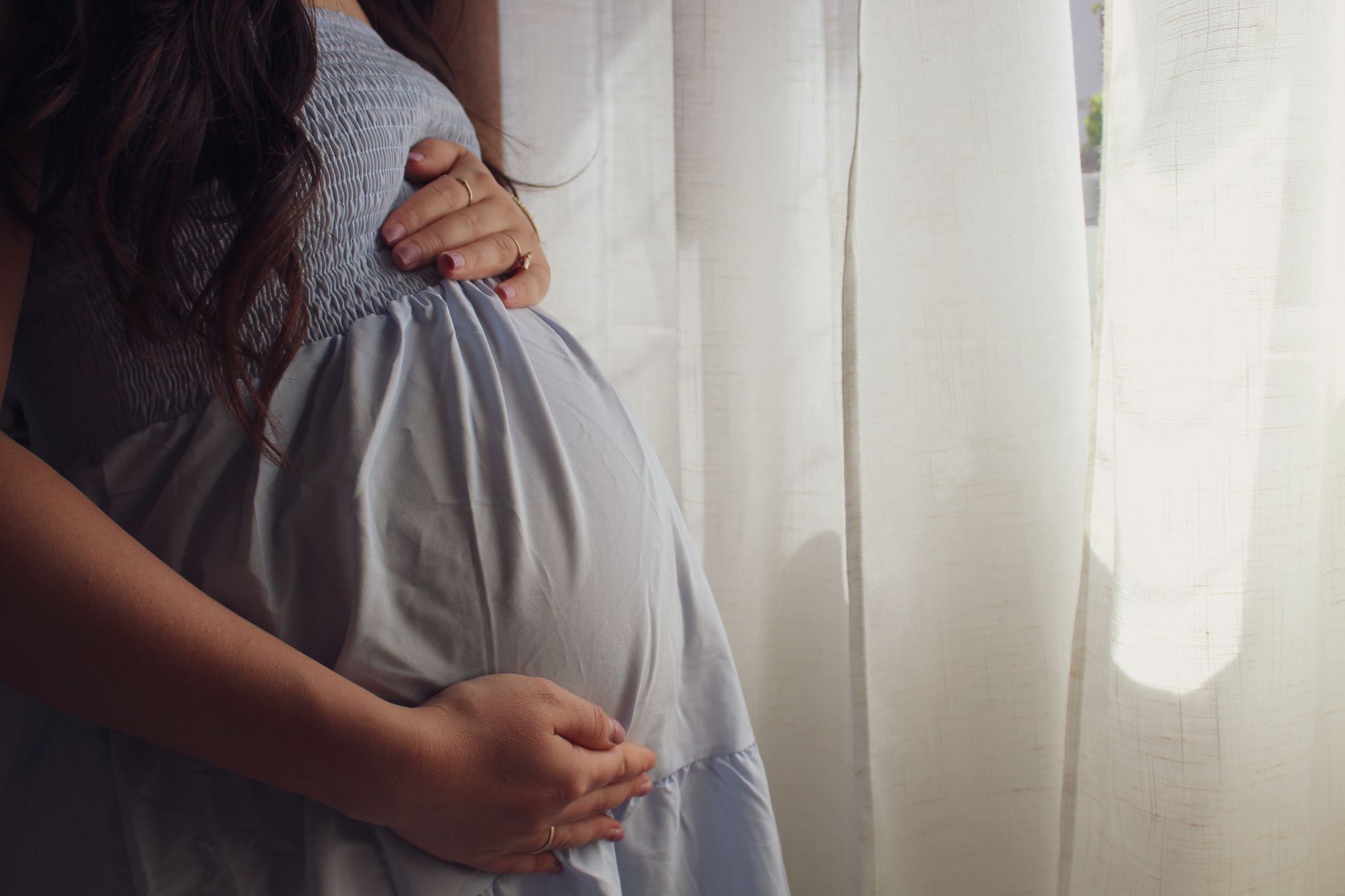
Ranim Haddad, a 36‑year‑old stay‑at‑home mother from Alsip, Illinois, marked her son Emmanuel’s first birthday on October 1, 2026 after a decade marked by more than 20 pregnancy losses. The couple, who married in 2014, say his birth is a testament to perseverance and medical monitoring.
A Decade of Loss
The Haddads learned they were expecting their first child in February 2015, just seven months after their wedding. That pregnancy ended in miscarriage, the first of at least twenty such outcomes over the next ten years. Throughout the period, doctors were unable to identify a cause for the repeated failures, leaving the couple with repeated cycles of hope and grief.
In 2018, the couple pursued in‑vitro fertilization (IVF). Eight healthy embryos were created and genetic testing returned normal results, but the first embryo transfer resulted in a miscarriage at nine weeks, and a second transfer also failed. After these setbacks, the Haddads stored their remaining embryos in March 2020 and considered taking a break.
Two months later, a natural pregnancy was confirmed. A gender‑reveal party at 18.5 weeks celebrated an expected baby girl named Miracle. However, complications followed: her water broke, she experienced a sudden loss of amniotic fluid, and the newborn, delivered on August 12, 2020, weighed less than one pound and died shortly after birth. A subsequent miscarriage occurred soon after.
Turning Point with Dr. Gerber
Following the loss of Miracle, Ranim was referred to Dr. Susan Gerber, a maternal‑fetal medicine specialist at Northwestern Medicine. Dr. Gerber conducted extensive testing but found no distinct medical explanation. She advised close monitoring for any future pregnancy, noting that “when you do get pregnant, all we can do is monitor you very, very closely.”
In 2021, the Haddads conceived again, this time a boy. At around 14 weeks, ultrasound revealed sirenomelia, a rare condition in which the baby lacked kidneys and could not develop lungs. Despite a recommendation to terminate, the couple chose to continue, guided by faith. The baby, Samuel, was born at 29 weeks on February 2, 2024, weighing about three and a half pounds. Specialists attempted resuscitation, but Samuel’s heart stopped hours later, and he was buried beside his sister.
Undeterred, the Haddads made significant life changes: they moved to a smaller apartment, sold a family‑owned gas station, and took new jobs—Ranim with part‑time work to accommodate medical appointments, and Fuad operating a school‑child transportation service.
A New Beginning
In February 2025, Ranim became pregnant again. Weekly ultrasounds and blood work consistently showed a healthy pregnancy. Near term, Dr. Gerber placed a cervical cerclage to reduce the risk of early labor, and Ranim was diagnosed with gestational diabetes and pre‑eclampsia. She was admitted to the hospital at 35 weeks and induced at 37 weeks.
Emmanuel was born on October 1, 2025, weighing 7 pounds 12 ounces. Although he did not cry for the first 15 seconds, his parents recorded his first cry and expressed profound relief. Nurses described him as “perfect,” and Ranim was able to hold him immediately after birth. The first eleven months were marked by frequent nighttime awakenings, but Ranim said she “loved every moment.”
Dr. Gerber described Ranim’s case as “very unusual” given the number of prior losses, but affirmed that the successful full‑term birth demonstrated the body’s capacity to carry a healthy infant. “There’s reason to be hopeful that she can do this again,” the doctor said.
As Emmanuel approaches his first birthday, Ranim Haddad hopes her story will inspire other women facing infertility and recurrent loss. “Don’t ever give up,” she told reporters, urging others to keep hope alive despite medical uncertainty.

Mitchell Landsberg is a Senior Technology Correspondent at News Raise. He covers consumer electronics, artificial intelligence, software developments, and digital privacy trends.