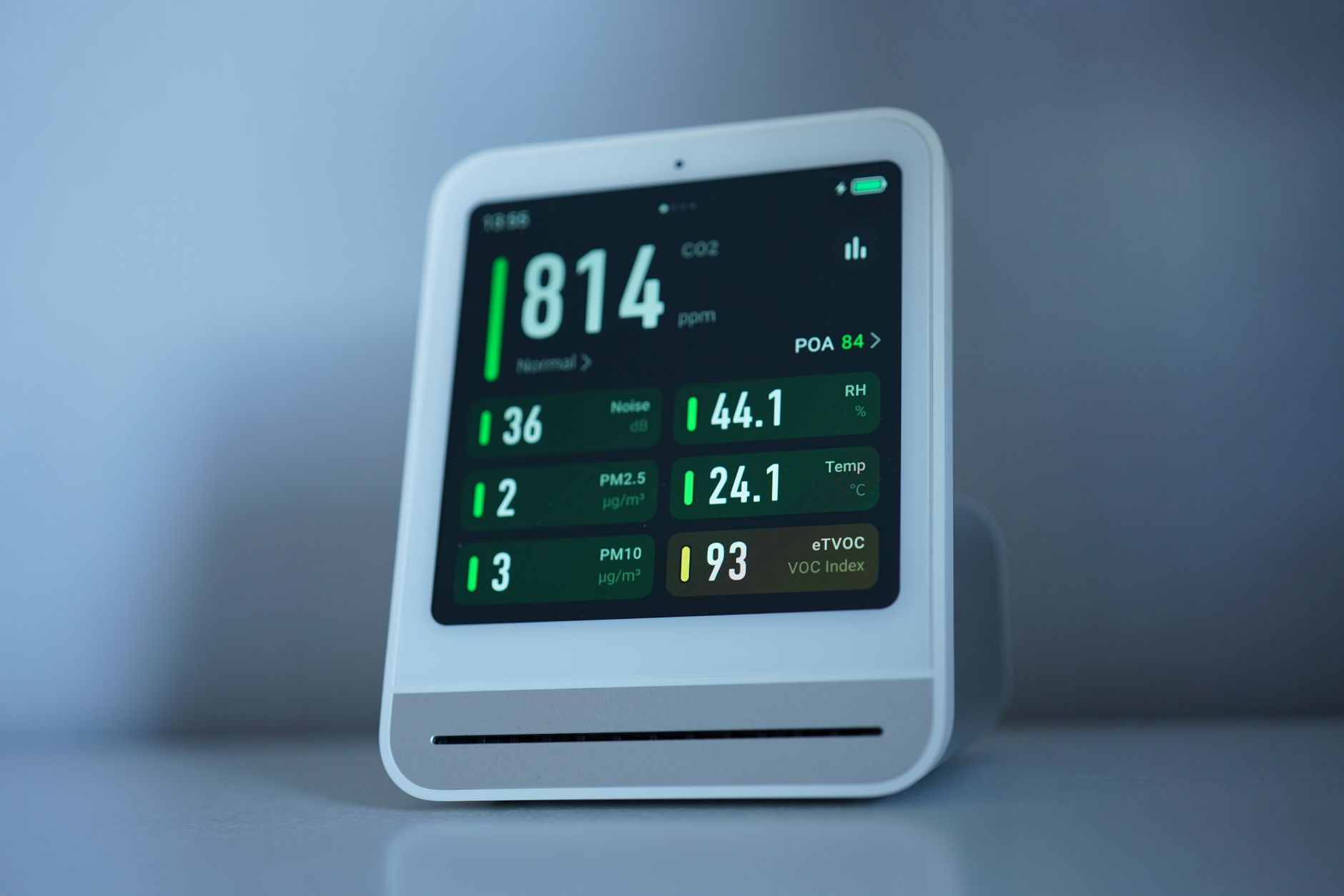
Apple introduced its first dedicated smart home display, the HomeView, on Tuesday with a retail launch slated for November 13. Priced below $300, the device aims to bring Siri‑driven control and Apple Home integration to the growing smart‑display market, a space dominated for years by Amazon’s Echo Show line and Google’s Nest Hub series.
Design, size and mounting options
The HomeView features a 7‑inch Liquid Retina touchscreen set on a low, domed base that houses the speakers. Its silhouette resembles the Echo Show 11, but the screen is noticeably smaller than any of the flagship models from Amazon or Google. Reviewers at Apple’s press event noted that the display feels more appropriate for a bedside clock than a kitchen countertop. The limited screen real estate hampers activities such as video calls, cooking instructions and media playback, which typically benefit from larger panels.
Apple does offer a wall‑mount variant, but it requires professional installation to conceal the power cord and carries an additional $60 charge for the mounting kit. The wall‑mounted version looks sleek, yet the extra cost and installation effort push the total price well above the base $300 figure. By contrast, Amazon provides several wall‑mountable Echo Show models, while Google’s Nest Hub Max is a larger, 10‑inch unit that can also be placed on a wall without extra accessories.
Voice assistant capabilities
Apple pairs the HomeView with Siri, which delivers quick responses for controlling HomeKit devices. Siri can also search a user’s email and messaging apps to surface recipes or other information, and it allows voice‑speed customization for accessibility. However, the platform currently lacks the extensive third‑party app integrations that Amazon’s Alexa Plus offers. Alexa Plus lets users order food through GrubHub or Uber Eats, hail rides, purchase tickets on Ticketmaster and make reservations via OpenTable—all from the display itself. Google’s Gemini for Home provides accurate weather forecasts but does not match Alexa’s breadth of services.
Apple’s promotional materials claim the HomeView supports compatible third‑party audio and video apps from an iPhone, but no specific examples were demonstrated. Without clear support for ordering or booking services, Siri may fall short for users who rely on those conveniences. Pricing could influence the balance: Alexa Plus requires a $20 monthly subscription for full features, while Apple has not disclosed any additional fees beyond a potential iCloud Plus subscription.
Smart‑home integration and audio performance
Where the HomeView shines is its tight integration with Apple’s ecosystem. Reviewers observed that pairing the display with HomeKit accessories is as simple as connecting a new pair of AirPods. Siri can recognize individual faces or manually created profiles, offering personalized experiences. Features such as instant Find My map displays and seamless handoff of content from iPhone to HomeView further reinforce Apple’s advantage in a unified environment.
The trade‑off is a narrower device catalog. Apple’s lineup includes its own security cameras, smart lock, and thermostat, but many popular third‑party smart plugs, bulbs and cameras remain unsupported. In contrast, Amazon and Google support a broader range of brands, though each ecosystem also has exclusive products (for example, Ring devices work only with Alexa).
Audio quality on the HomeView exceeds expectations for its size. The unit houses two full‑range drivers, a down‑firing woofer and two passive radiators, delivering richer sound than the Echo Show 11, which lacks passive radiators, but it still falls short of Apple’s larger HomePod speaker.
Overall, the HomeView presents a polished, Apple‑centric smart‑display experience at a competitive price point, but its 7‑inch screen and limited third‑party integrations may deter buyers who prioritize media consumption or broader app support. The device underscores Apple’s strategic focus on ecosystem cohesion while highlighting the challenges of catching up to entrenched competitors that have iterated on size, functionality and partnerships for several years.

Mitchell Landsberg is a Senior Technology Correspondent at News Raise. He covers consumer electronics, artificial intelligence, software developments, and digital privacy trends.