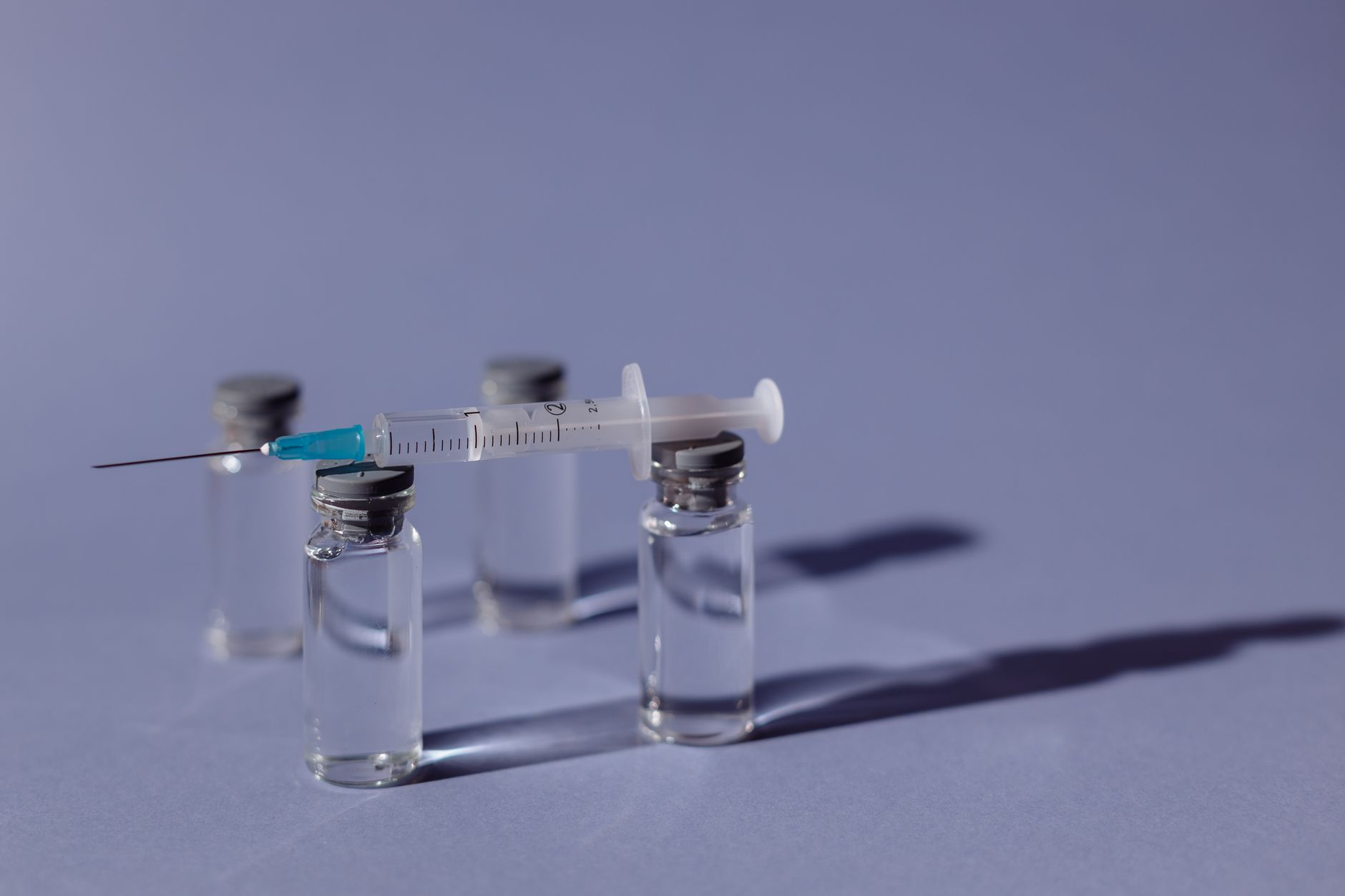
The World Health Organization announced on Friday that the first clinical trial of an Ebola vaccine in the current Democratic Republic of Congo (DRC) outbreak has begun. Director‑General Tedros Adhanom Ghebreyesus posted on X that participants received the Ervebo vaccine in Bunia, the capital of the Ituri province, which sits at the centre of the epidemic.
Background on the DRC outbreak
The DRC declared its 17th and worst‑ever Ebola outbreak in May. Since that declaration, more than 9,700 cases have been reported and the death toll has surpassed 4,600. In response, WHO raised its alert to a public health emergency of international concern, the organisation’s second‑highest level of warning. The virus has now been identified in four African nations across eastern, central and western regions, giving this episode the widest geographic spread of any Ebola outbreak on the continent.
Ervebo, the vaccine already approved for the Zaire strain of Ebola, is being used in the trial to assess whether it can provide cross‑protection against the Bundibugyo species that is driving the current epidemic. Tedros said the trial would help determine “whether any of the vaccine candidates designed for Bundibugyo virus work,” adding that WHO is supporting the DRC‑led effort to find answers and save lives.
Details of the Tumaini trial
The study, known as the Tumaini trial, follows a single‑framework design that can evaluate the safety, efficacy and immunogenicity of several vaccine candidates simultaneously. It will employ a ring‑vaccination strategy, immunising individuals identified as close contacts and therefore at high risk of infection.
In addition to Ervebo, the trial will incorporate two Bundibugyo‑specific experimental vaccines that are currently in earlier‑stage, smaller‑scale trials. One candidate is a ChAdOx1 adenoviral‑vector jab being developed by the University of Oxford. The other is an mRNA‑based vaccine created by the US‑based Moderna group. Both candidates have received funding from the Coalition for Epidemic Preparedness Innovations (CEPI) and are expected to enter the trial “shortly,” according to a CEPI statement.
Notably, the trial will include pregnant women and children aged 12 years and older, groups that are frequently excluded from clinical research. WHO emergencies director Chikwe Ihekweazu said the study was designed to generate rigorous evidence needed to determine whether the participating vaccines can protect people at risk.
The launch of the Tumaini trial marks a significant step in the global response to an unprecedented Ebola emergency, offering the prospect of broader vaccine options that could curb the spread of the Bundibugyo strain across Africa.

Helene Elliott is the Lead Science & Space Reporter at News Raise. She reports on aerospace missions, astrophysics discoveries, quantum research, and environmental technology.