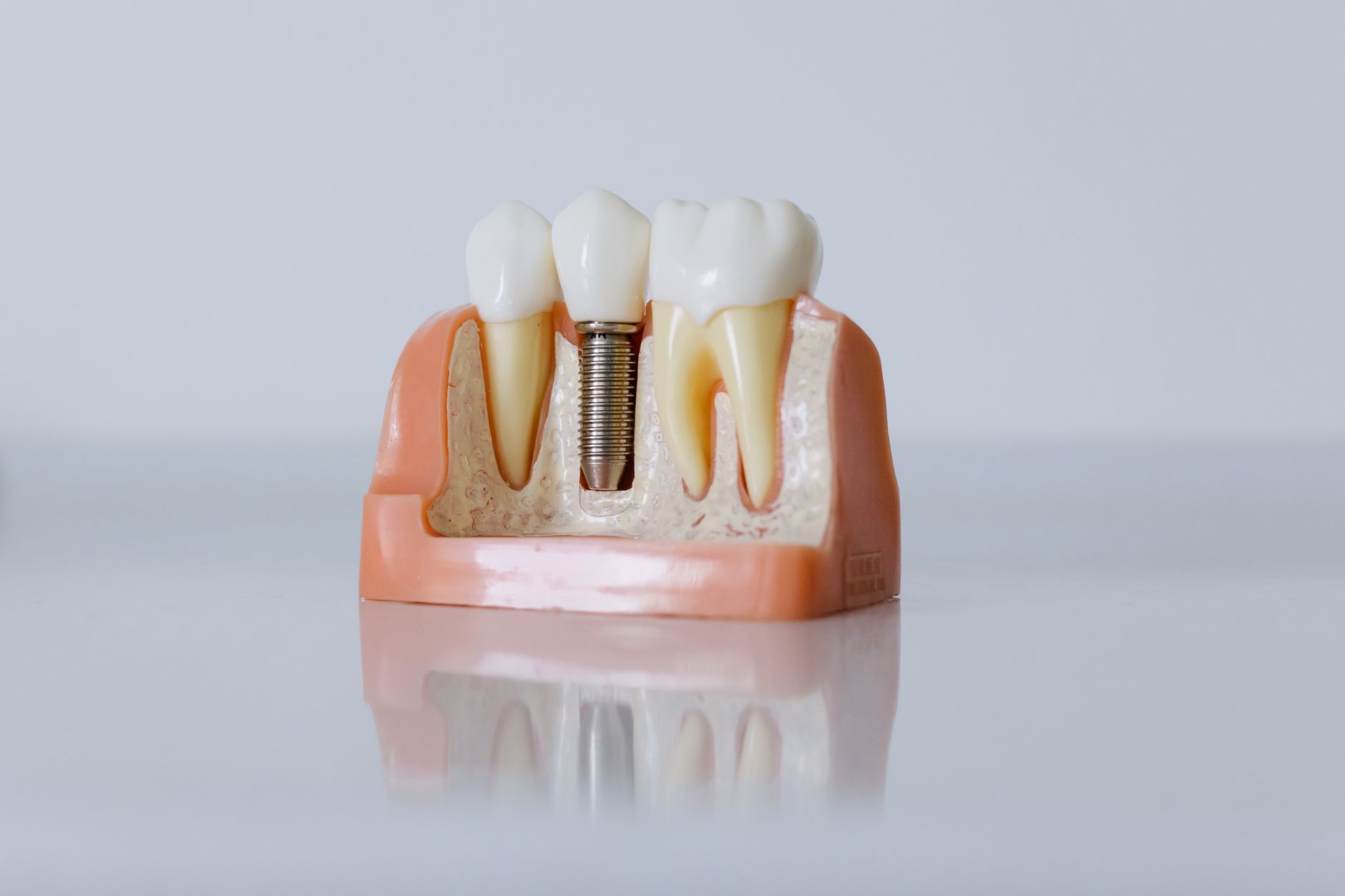
Researchers at Rutgers School of Dental Medicine have identified a mechanism that explains why infections around dental implants often resist antibiotic treatment. The team discovered that bacteria corrode titanium implants, releasing microscopic metal particles that interfere with immune cells, provoke chronic inflammation and accelerate loss of the supporting jawbone.
How Titanium Particles Disrupt Immunity
Peri‑implantitis, a serious infection of the tissue surrounding an implant, affects an estimated 10% to 20% of the tens of millions of patients who receive dental implants. While antibiotics and routine cleaning can resolve similar gum disease around natural teeth, they succeed in fewer than half of implant cases, and bone loss may continue even after therapy.
The Rutgers study, published in PNAS Nexus, examined human tissue samples, cultured human immune cells, and used genetically engineered mice to trace the source of the problem. Researchers observed that bacterial biofilms on implant surfaces create an acidic environment that slowly erodes the titanium. Over time, this corrosion releases billions of particles, each smaller than a red blood cell, into the surrounding gums.
Once in the tissue, the particles attract lipopolysaccharide, a bacterial toxin that coats their surfaces. The toxin‑laden fragments masquerade as oversized bacteria, prompting macrophages—the white blood cells that normally engulf and destroy pathogens—to attempt phagocytosis. Because titanium cannot be digested, the macrophages become trapped in a state of prolonged inflammation, releasing large amounts of interleukin‑1 beta and other signaling molecules linked to inflammatory diseases such as rheumatoid arthritis and Alzheimer’s disease.
Laboratory tests showed that macrophages exposed to titanium particles captured fewer than half as many bacteria as untreated cells, indicating a severe compromise of bacterial clearance.
Potential Therapeutic Target
The investigators traced the harmful cascade to TRPC1, a calcium channel embedded in the membranes of macrophages. Activation of TRPC1 appears central to the inflammatory response triggered by the particle‑toxin complex. To assess its role, the team used mice lacking the TRPC1 channel. When these mice were exposed to the same combination of titanium particles and bacteria, they developed dramatically smaller abscesses, produced fewer inflammatory signals, and regained effective bacterial killing.
“For the first time, we show why all the antibiotic treatments that work around teeth do not work around implants,” said Georgios Kotsakis, senior author and assistant dean for clinical research at Rutgers School of Dental Medicine. “Now that we know the cause, we can start developing therapeutics.” With NIH funding, the researchers are evaluating drugs that modulate the TRPC1 pathway in human cells, offering the first credible drug target for a condition that costs healthcare systems worldwide more than $1 billion annually.
Prevention and Future Directions
While drug development proceeds, the study underscores the importance of proper implant maintenance. Routine professional cleaning remains the most effective preventive measure, but the tools used matter. Until about a decade ago, many clinicians employed metal scalers designed for natural teeth on implants, a practice now known to damage titanium surfaces and potentially release additional particles. Modern, non‑abrasive cleaning methods are now standard, reducing the risk of corrosion‑related complications.
By linking titanium particle release to a specific immune pathway, the Rutgers team provides a mechanistic explanation for the stubborn nature of peri‑implantitis and opens a pathway toward treatments that complement, rather than replace, existing antibiotic strategies.

Steve Lopez is a Senior Editorial Columnist and Health & Public Policy reporter for News Raise. Steve focuses on healthcare advancements, medical technologies, and public health policies.