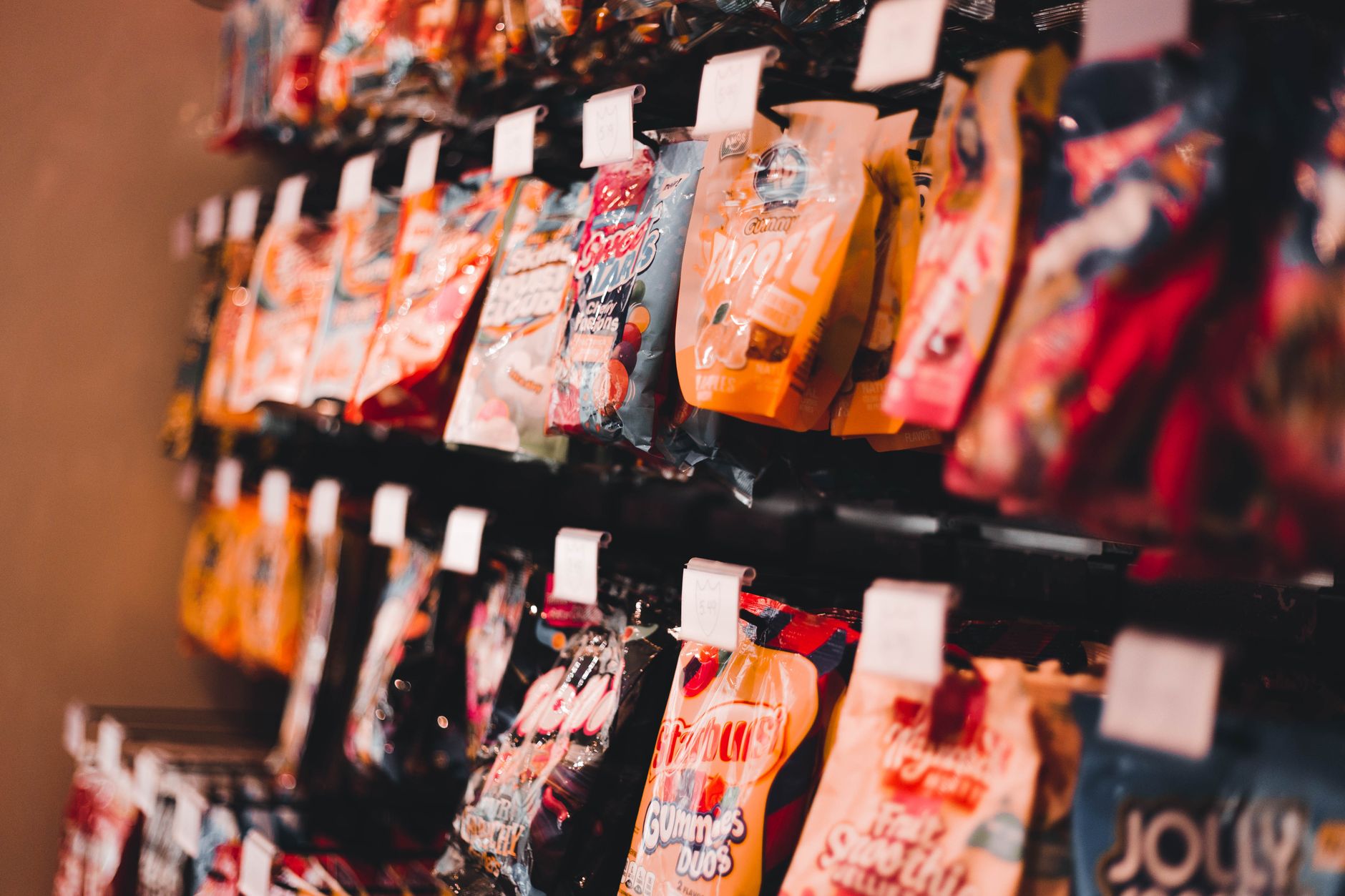
U.S. consumers are buying fewer Halloween treats as the cost of living climbs. NielsenIQ reported that candy sales for the week ending Oct. 17 were down 6.7% compared with the same period a year earlier. The decline follows an 11.7% slide in mid‑September, wiping out the preseason gains recorded in the two prior years.
Affordability pressures from gas and groceries
Chris Costagli, vice president and food thought leader at NielsenIQ, linked the slowdown to higher gasoline prices and broader affordability concerns. As of the latest Friday, regular gasoline averaged $4.29 per gallon in the United States, a rise of nearly 40% from the previous year. Costagli said consumers are “spending so much additional money on fuel and housing and clothing and food” that discretionary purchases such as Halloween candy are being cut back. He emphasized that the decision to forgo candy is less about noticing price tags on candy and more about overall budget constraints.
Data from the research firm show that only small bags of candy have posted sales growth through mid‑October. Large and extra‑large packages, which traditionally dominate holiday spending, have experienced the steepest declines.
Cocoa price spikes drive chocolate costs
Chocolate prices have risen faster than overall inflation for several years. Government data indicate that candy and gum prices were up 44% over the past five years as of September, while prices for all food eaten at home rose 22.5% in the same period. The primary driver is the cost of cocoa, which hit a record $10,710 per metric ton in January 2025 after poor weather in West Africa—home to 70% of the world’s cocoa supply—and speculative activity in futures markets, according to the U.S. Bureau of Labor Statistics.
After falling to $3,241 per metric ton in March, cocoa prices began climbing again in the spring, spurred by the Iran‑related disruption of African fertilizer supplies and an anticipated El Niño pattern that could bring hot, dry conditions through February. The price pressure is evident at the retail level; discount grocer Aldi advertised a 135‑piece variety pack of Mars Inc. chocolate bars for $19.87, a price almost identical to a 250‑piece pack sold five years ago.
Even when non‑chocolate Halloween candies were cheaper—averaging $6.08 per pound, about 3% lower than the previous year—sales did not rebound, suggesting that price alone is not reviving demand.
Industry outlook remains cautiously upbeat
Sally Lyons Wyatt, global executive vice president and food industry adviser for market‑research firm Circana, observed that shoppers are making smaller, more frequent trips to stores and buying items closer to the time they intend to use them. She speculated that many consumers may be postponing candy purchases until nearer Halloween, noting that “people are very intentional and thoughtful about what they want to consume.” Wyatt added that she expects “softness overall with candy” but does not see Halloween as “doomed.”
The National Confectioners Association, representing major manufacturers such as Mars, Smarties Candy Co., and Ferrara Candy Co., expressed optimism. In a Friday statement, the group said, “We are just now entering the peak period for Halloween and consumer enthusiasm remains incredibly strong.”
Overall, the combination of higher gasoline costs, record cocoa prices, and a broader squeeze on household budgets appears to be tempering Halloween candy demand, even as industry players maintain a hopeful outlook for the holiday’s peak sales period.

Mitchell Landsberg is a Senior Technology Correspondent at News Raise. He covers consumer electronics, artificial intelligence, software developments, and digital privacy trends.