Researchers at RMIT University in Australia have demonstrated that coffee grounds, once converted into a charcoal‑like material, can increase the compressive strength of concrete by as much as 30 percent. The discovery addresses two pressing environmental issues: the massive amount of coffee waste that typically ends up in landfills and the growing demand for sand in the construction sector.
From coffee grounds to biochar
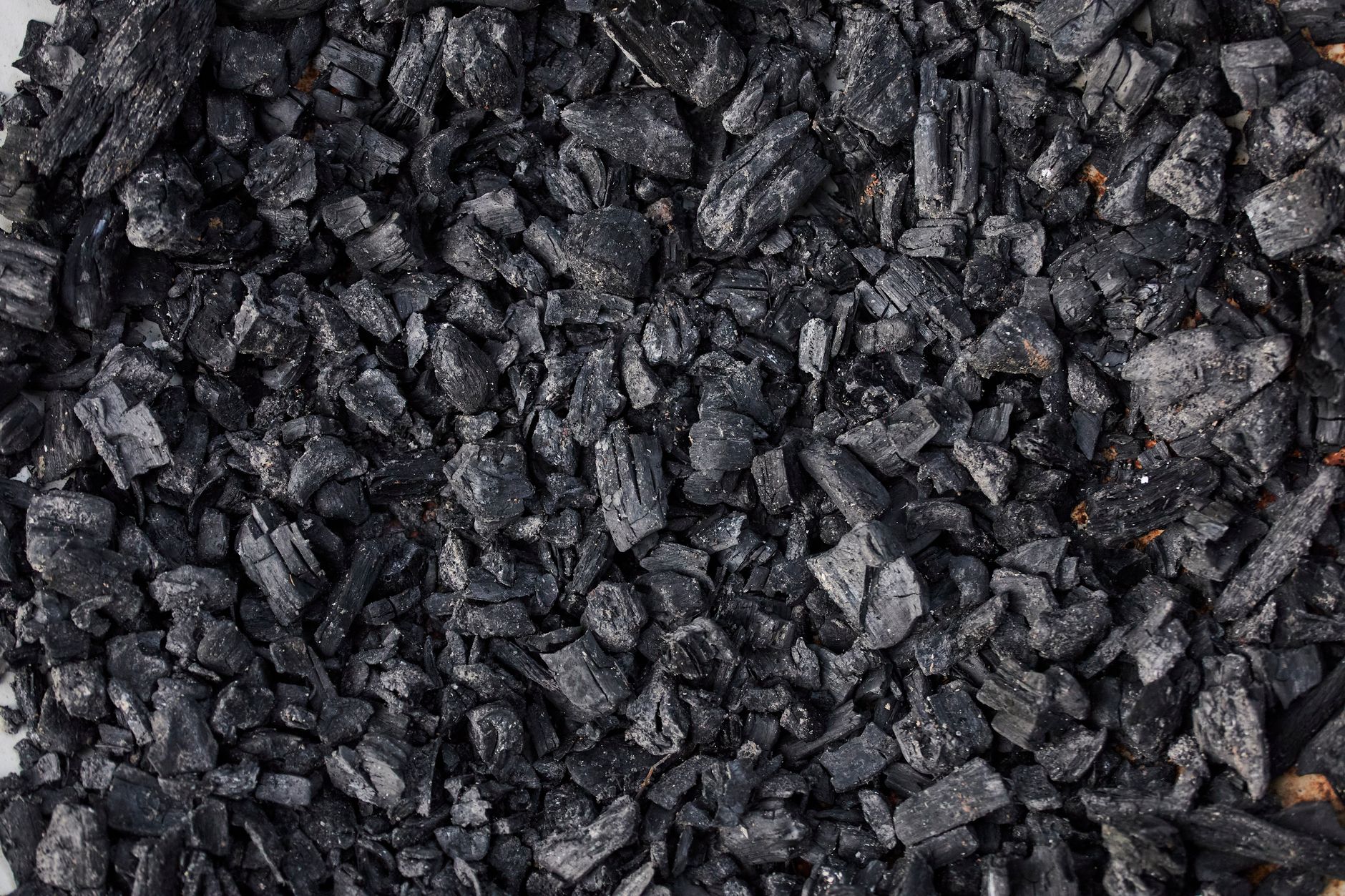
Each year, global coffee consumption generates roughly 10 billion kilograms of spent grounds. When disposed of, this organic waste releases greenhouse gases such as methane and carbon dioxide, intensifying climate change, according to RMIT engineer Rajeev Roychand. To transform the waste into a useful resource, the team heated the grounds to temperatures above 350 °C (about 660 °F) in an oxygen‑free environment, a process known as pyrolysis. This thermal treatment breaks down the organic compounds, yielding a porous, carbon‑rich material called biochar.
Biochar’s structure enables it to bond with cement particles, allowing it to become an integral part of the concrete matrix. The researchers also experimented with a higher temperature of 500 °C, but the resulting biochar proved less effective at enhancing strength.
Concrete gains and environmental gains
Concrete production is resource‑intensive, relying heavily on natural sand extracted from riverbeds—a practice that can cause ecological damage. Jie Li, another RMIT engineer involved in the study, highlighted the finite nature of sand supplies and the environmental toll of sand mining. By substituting a portion of sand with coffee‑derived biochar, the new mix could lessen the pressure on these ecosystems while keeping organic waste out of landfill.
Although the initial laboratory results are promising, the team acknowledges that long‑term durability tests are still required. Ongoing experiments will assess how the hybrid material performs under freeze‑thaw cycles, water absorption, abrasion and other stressors that typical concrete faces over its service life.
From laboratory to streets
In 2024, RMIT partnered with the Macedon Ranges Shire Council to construct a pilot footpath in Gisborne, Victoria, using the coffee‑biochar concrete alongside a segment made with wood‑chip biochar and a conventional concrete control. Later that year, the material was employed on a larger scale for a footpath on the Pakenham Roads Upgrade, marking the first major infrastructure project to incorporate coffee‑biochar concrete. Contractor BildGroup estimated that the project diverted the equivalent of about 140,000 cups of coffee grounds from landfill and saved more than three metric tons of sand.
The research, published in the Journal of Cleaner Production, earned the People’s Choice Problem Solver Award at the 2025 Shaping Australia Awards. RMIT engineers Shannon Kilmartin‑Lynch and her colleagues are now working with a commercialization partner to develop a business case for broader market adoption, while also exploring biochar production from other organic residues such as wood, food scraps and agricultural waste.
While the technology remains in its early stages, the findings illustrate how a circular‑economy approach can turn everyday waste into a value‑adding material, potentially reducing landfill pressure, cutting greenhouse‑gas emissions and conserving natural sand resources.

Steve Lopez is a Senior Editorial Columnist and Health & Public Policy reporter for News Raise. Steve focuses on healthcare advancements, medical technologies, and public health policies.