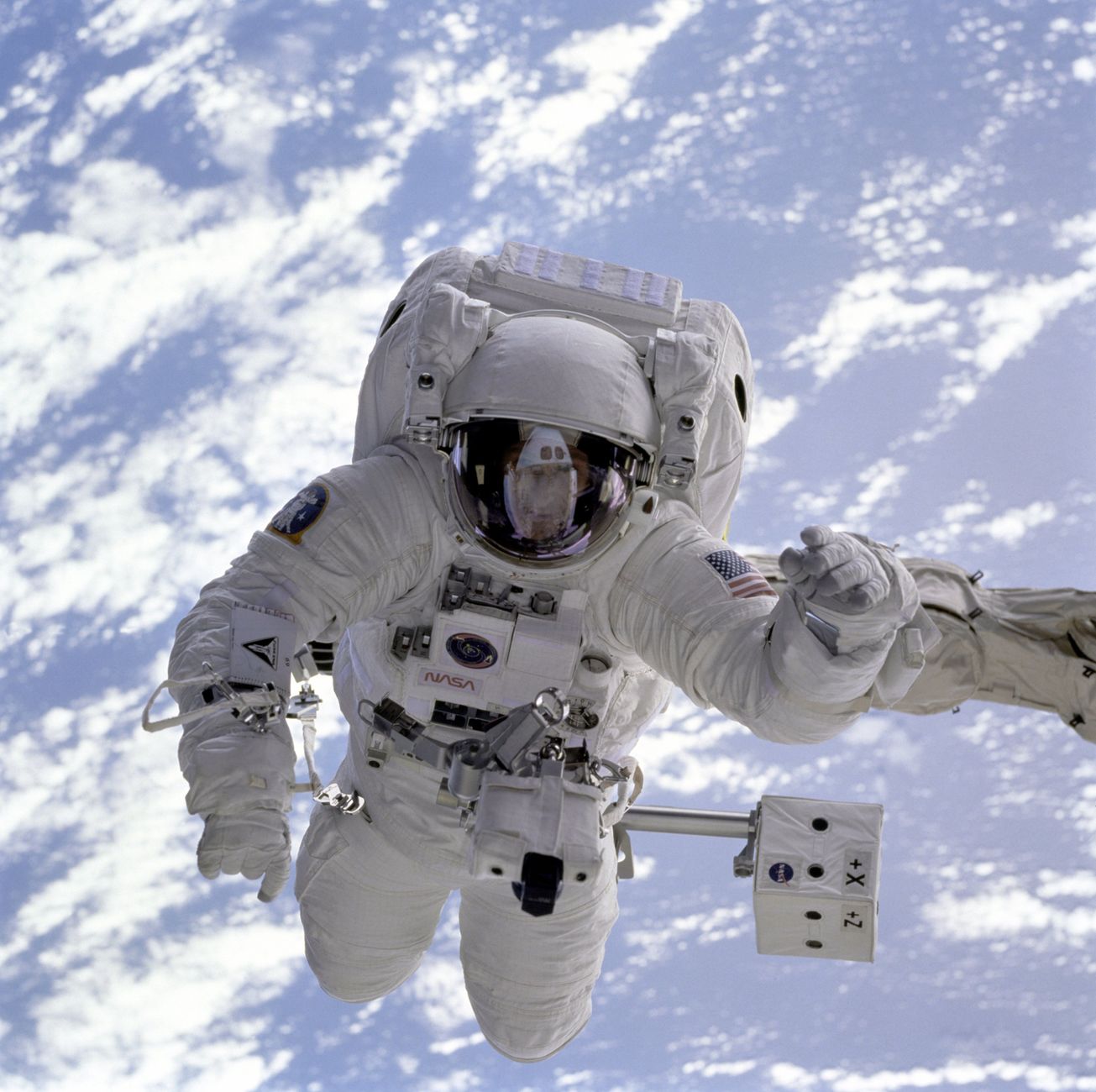
NASA astronaut Anil Menon and Canadian Space Agency astronaut Joshua Kutryk wrapped up a 7‑hour‑and‑11‑minute extravehicular activity (EVA) on Oct. 29, marking the 100th United States spacewalk from the International Space Station (ISS). The pair installed the second‑to‑last upgraded roll‑out solar array (iROSA) on the station’s port side, a key step in a multi‑year effort to modernize the outpost’s power system.
Mission overview
The EVA began at 3:08 p.m. EDT (1908 GMT) and was conducted entirely from the U.S. Quest airlock, with both crewmembers wearing NASA’s Extravehicular Mobility Unit suits. Menon, on his fourth spacewalk, logged a total of 26 hours 31 minutes of EVA time during his current stay. Kutryk, making his first EVA, became the fifth Canadian astronaut to work outside the station.
During the spacewalk, the astronauts first unbolted the iROSA from a temporary stowage platform. The rolled‑up array, measuring roughly 10 by 2 by 4 feet (3 by 0.6 by 1.2 meters), had arrived earlier in the month aboard SpaceX’s Dragon cargo vehicle on the company’s 35th ISS resupply mission for NASA.
Technical details of the iROSA deployment
Menon attached himself to the end of the station’s Canadarm2 robotic arm and maneuvered the 750‑pound (340‑kilogram) iROSA to the designated location on the 2A electrical power channel. Kutryk then traveled along the station’s backbone truss to assist with bolting the panel in place and routing its power cables. Because the work took place during a night pass, the crew performed the electrical connections with heightened safety precautions.
The iROSA’s carbon‑composite booms store potential energy when rolled, allowing the panel to self‑unfold to its full 63‑foot (19‑meter) length without a motor. Mission Control confirmed the array began deploying four hours and 23 minutes into the EVA, and twelve minutes later the panel was fully extended, draping over roughly half of the larger, older P4 truss panel.
Significance and future plans
The station’s original eight solar arrays have exceeded their 15‑year design life and now produce reduced power. Adding iROSA units alongside the legacy panels has already lifted the ISS’s power generation by 20 % to 30 %, a boost needed for ongoing operations and the planned controlled deorbit slated for 2030.
Having worked ahead of schedule, Menon and Kutryk removed several beams that had held the final iROSA on its temporary platform and rotated two launch locks used during the array’s transport on Dragon. The spacewalk also marked the first Canadian EVA since April 2019, when David Saint‑Jacques joined NASA’s Anne McClain.
This EVA was the 100th U.S. spacewalk performed from the station without a space shuttle docked, and the 285th overall EVA supporting ISS assembly, maintenance and upgrades. The tally includes 66 EVAs from the Russian segment and 119 conducted by visiting shuttle crews since the first U.S. EVA outside Quest on Feb. 20 2002.
Menon reflected on the experience, noting, “Being outside, I can say it is always sunny in space,” and highlighted the milestone as a testament to more than 26 years of complex EVA operations. The crew is slated for another EVA on Nov. 5 to install the eighth and final iROSA, completing the five‑year power‑upgrade program.

Helene Elliott is the Lead Science & Space Reporter at News Raise. She reports on aerospace missions, astrophysics discoveries, quantum research, and environmental technology.