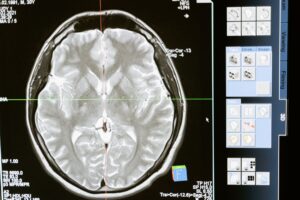
A new research initiative worth £20 million, called the BRAINIAC Hub, is being coordinated by the University of Exeter to develop artificial‑intelligence tools for earlier detection and prevention of dementia. The programme, financed by a £10 million grant from the Engineering and Physical Sciences Research Council (EPSRC) and an equal contribution from industry, charitable bodies and NHS partners, will run for six years and launch its first clinics in 2029.
Funding and collaborative network
The BRAINIAC Hub – an acronym for AI and Emerging Technologies for Next Generation Brain Health Clinics – brings together a consortium of eleven universities, including Cambridge, Oxford, Newcastle, Swansea and Imperial College London, as well as ten NHS sites. Additional partners such as Dementia UK and the Alzheimer’s Society are also involved. The project is one of five new hubs funded across the United Kingdom under the UK Research and Innovation (UKRI) umbrella, with UKRI having pledged up to £80 million for tools that could enable diagnosis of 92 % of suspected dementia cases within 18 weeks by 2029.
Aims and expected impact
Researchers plan to integrate brain imaging, genetic data, blood‑based biomarkers and digital cognitive assessments into a single AI‑driven platform that presents a clear picture of an individual’s brain health. The aim is to shorten the time required for assessment and diagnosis by 30 % to 50 % and to flag more than 40 % of people as being at early risk before any symptoms appear. According to the university, the United Kingdom currently has roughly 982,000 people living with dementia, a figure projected to rise to 1.4 million by 2040, with annual costs expected to exceed £90 billion.
David Llewellyn, director of BRAINIAC and professor of clinical epidemiology and digital health at Exeter’s medical school, described early detection as “the hardest problem”. He said the tools being built in the NHS clinics will allow clinicians to recognise the first signs before symptoms emerge and to offer personalised prevention plans that help people keep their brains sharper for longer.
Deputy director Chris Fox, a professor of clinical psychiatry and practising clinician, stressed that existing treatments are only effective when delivered early. He added that the hub’s solutions are being designed with input from patients and frontline staff so they function in busy clinical settings rather than remaining theoretical concepts.
Timeline and clinic rollout
The consortium intends to establish ten brain‑health clinics across the country, creating one of the largest research platforms for evaluating what works in diagnosing, preventing and treating dementia. These clinics will initially be accessible through NHS referrals, and the first sites are slated to become operational in 2029. The six‑year funding period will support the development, testing and scaling of the AI system, with the expectation that the new approach will halve the time needed to reach a definitive dementia diagnosis.
Professor Charlotte Deane, executive chair of the EPSRC at UKRI, highlighted that the five newly funded hubs, including BRAINIAC, are designed to translate cutting‑edge research into tangible health benefits. She cited previous successes such as the world’s first AI‑assisted brain‑tumour surgery and emphasized the importance of close collaboration with patients, the NHS and industry to prevent illness before it starts.
When fully operational, the BRAINIAC Hub aims to provide the NHS with scalable, AI‑enhanced tools that can identify early‑stage dementia, reduce diagnostic delays and ultimately improve outcomes for millions of patients across the United Kingdom.

Helene Elliott is the Lead Science & Space Reporter at News Raise. She reports on aerospace missions, astrophysics discoveries, quantum research, and environmental technology.