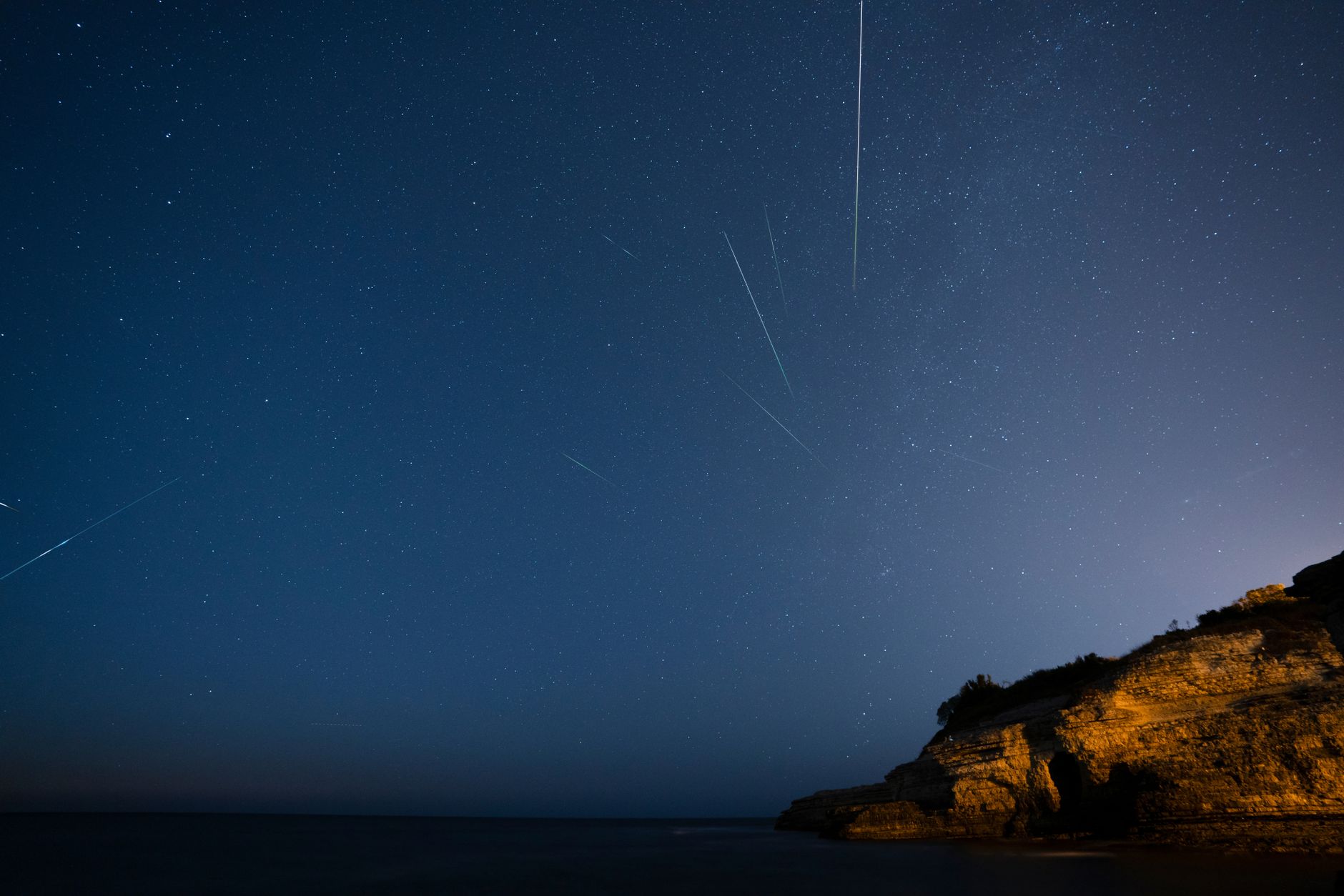
Tonight, November 4, marks the peak of the Southern Taurids meteor shower, an autumnal display often dubbed the “Halloween fireballs.” NASA astronomers note that the Taurids are a moderate shower, typically producing about five meteors per hour, but under favorable conditions the fireballs can be strikingly bright.
When and Where to Look
The Southern Taurids have been active since September 20, 2026, but the highest concentration of activity is expected around midnight on November 4 and into the early hours of November 5. During this window skywatchers have the best chance to see the shower at its brightest, with vivid fireballs racing across the darkness.
Visibility depends on local sky conditions, including light pollution and cloud cover. In areas with clear, dark skies the meteors should be observable with the naked eye. Observers are advised to find a location away from city lights and to allow their eyes to adjust to the darkness for at least 15‑20 minutes before looking up.
Tools to Enhance the Experience
While the Southern Taurids can be enjoyed without equipment, a telescope or a pair of binoculars can enhance the viewing experience. A travel‑size telescope with a 70 mm aperture is suitable for adults, children, and beginners, offering clearer views of meteors, the Moon, and other celestial objects. High‑quality binoculars provide a wide field of view and superior optics, allowing amateur astronomers to see the fireballs in greater detail.
Both types of equipment are readily available from major retailers and can be set up quickly for an impromptu night‑time observation session.
What to Expect
Because the Southern Taurids are classified as a moderate shower, the average count of five meteors per hour should not be taken as a strict ceiling. Historical observations show that the shower can produce occasional bright fireballs that outshine typical meteors, especially when the Earth passes through denser streams of debris left by the parent comet.
Observers who catch a fireball may notice a brief, intense flash followed by a lingering trail that can persist for several seconds. These luminous events are what give the shower its “Halloween” moniker and are the primary attraction for many stargazers during the peak night.
For those planning to watch either tonight or in the early morning hours of November 5, the key is patience and a clear view of the horizon. The radiant point of the Southern Taurids lies in the constellation Taurus, which rises in the east after midnight, allowing the meteors to appear across a broad swath of the sky.
In summary, the Southern Taurids peak offers a modest yet potentially spectacular show for anyone willing to step outside after dark. With the right conditions and a little preparation, observers can enjoy a night of bright fireballs that illuminate the autumn sky.

Helene Elliott is the Lead Science & Space Reporter at News Raise. She reports on aerospace missions, astrophysics discoveries, quantum research, and environmental technology.