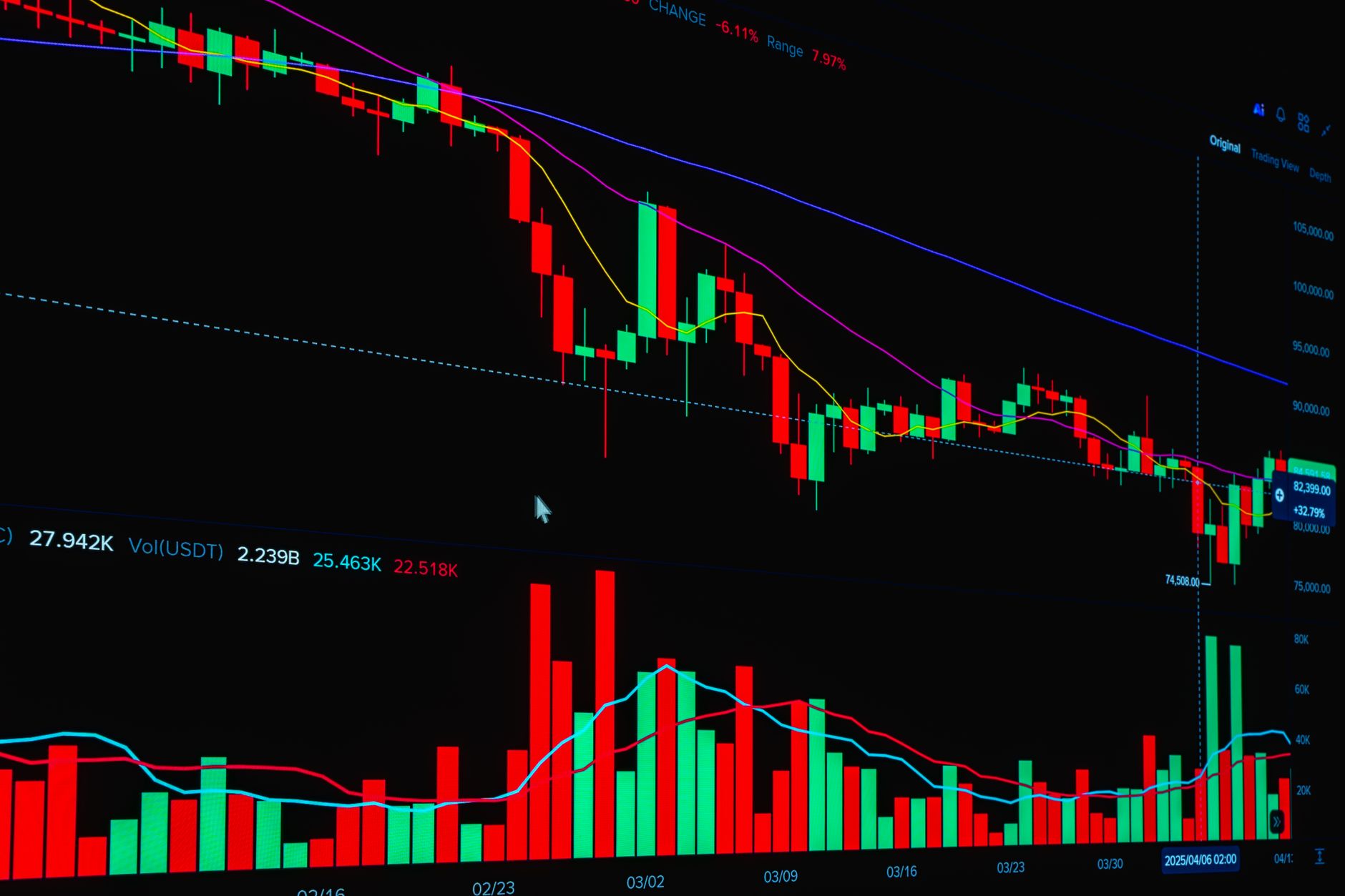
On Thursday, Nov. 5, U.S. equities suffered a pronounced decline, with the S&P 500 slipping 4.4% and the Nasdaq Composite dropping 5.5%. The slide was driven primarily by a group of artificial‑intelligence (AI) infrastructure stocks that posted double‑digit losses.
AI‑related chips and data‑center names lead the sell‑off
Shares of Nvidia fell 9.3% after a prior intraday dip of 5.47%, while Broadcom dropped 10.4% despite a earlier gain of 3.91%. Advanced Micro Devices plunged 17.3% and Micron tumbled 17.5%. All four companies sit among the ten largest weightings in the S&P 500 as the month began, underscoring the index’s exposure to AI‑related hardware.
Nine of the S&P 500’s top ten holdings are tied to AI technologies; Apple is the sole outlier that has not aggressively pursued the sector. Collectively, those nine positions represent roughly 30% of the index, meaning that movements in AI stocks tend to steer overall market direction.
Political climate and data‑center outlook
The market reaction also reflected the fallout from the recent U.S. midterm elections, which delivered a sweeping victory for the Democratic Party. Control of both the House and Senate, along with numerous governorships—including Texas—now rests with Democrats. Early statements from several newly elected officials called for a pause on the current AI data‑center build‑out, a stance that provoked pushback from voters.
Despite the political pressure, analysts argue that AI hardware demand will not disappear. Hyperscale cloud providers have already begun expanding data‑center capacity overseas, and discussions about offshore facilities are gaining traction. Elon Musk’s Space Exploration Technologies (SpaceX) is reportedly exploring the deployment of data centers in space.
In the United States, Nvidia is in negotiations with telecom firm Brightspeed to acquire and retrofit 130 former telephone buildings into compact data centers, leveraging existing power infrastructure to simplify permitting. Alphabet announced plans for a self‑sufficient AI data center in Republican‑held Wyoming, featuring carbon‑capture technology and natural‑gas fuel cells supplied by Bloom Energy—units that operate without drawing electricity from the grid.
Defensive ETF recommendations amid volatility
Given the heightened uncertainty, two exchange‑traded funds are highlighted as potential defensive positions if the market continues to decline.
The Vanguard S&P 500 ETF (VOO) tracks the broad U.S. large‑cap index with an expense ratio of just 0.03%. Over the past decade, VOO has delivered an average annual return of 15.4% through the end of October, outperforming 86% of actively managed large‑cap funds. Its diversified exposure makes it a candidate for investors seeking to stay invested while the market corrects.
The Invesco QQQ Trust (QQQ) follows the Nasdaq‑100, a tech‑heavy benchmark. As of the end of October, roughly 64% of QQQ’s holdings were in technology companies, rising above 70% when Amazon and Tesla—classified in other sectors—are included. The fund has posted a 20.3% average annual return over the same ten‑year period, reflecting the strong performance of the sector.
Analyst commentary from the publication’s advisory service notes that its own Stock Advisor platform has generated an average return of 852% as of Nov. 11, 2026, far outpacing the S&P 500’s 208% return over the same horizon. The service recently released a list of ten stocks it deems attractive for immediate purchase, available to subscribers.
Investors weighing a $1,000 allocation are encouraged to consider these ETFs as a way to capture broad market upside while mitigating exposure to the volatile AI hardware segment.

Norman Pearlstine is the Executive Editor and Co-Founder at News Raise. With over two decades of experience across financial journalism, corporate governance, and market analysis, Norman leads the editorial direction and ensures strict adherence to journalistic accuracy and ethics.